
News

Understanding the Different Branches of Psychology And Explain Types Of PSYCHOLOGY
Understanding the Different Branches of Psychology

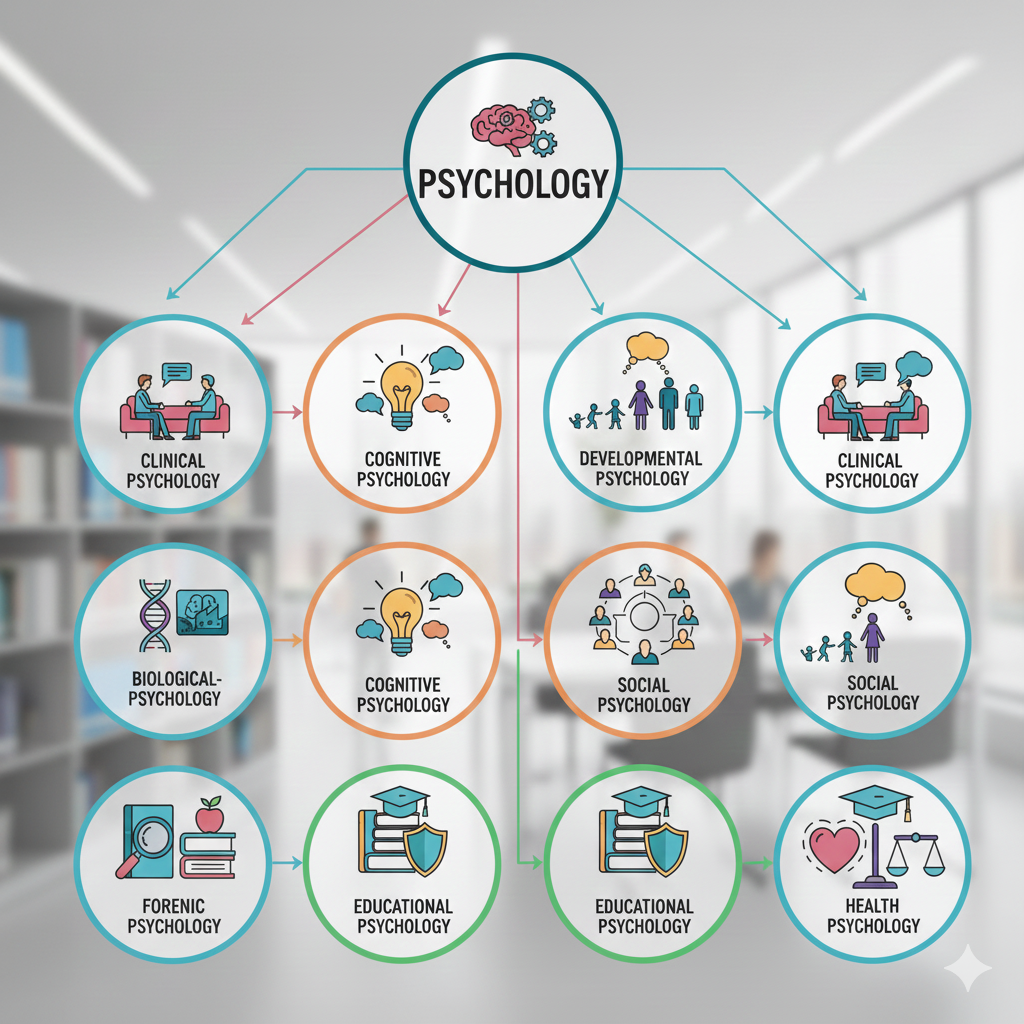
Psychology is the study of the human mind, emotions, and behavior. It’s a fascinating field because it helps us understand why people think, feel, and act the way they do. But psychology isn’t just one simple subject—it has many types or branches, each focusing on a specific area of human life. In this article, we will explore the main types of psychology, their importance, and how they affect our daily lives.


What Is Psychology?

Psychology is the scientific study of behavior and mental processes. It looks at everything from emotions and thoughts to actions and social interactions. By studying psychology, we can better understand ourselves, improve relationships, make smarter decisions, and maintain mental well-being.


Why Understanding Different Types of Psychology Matters

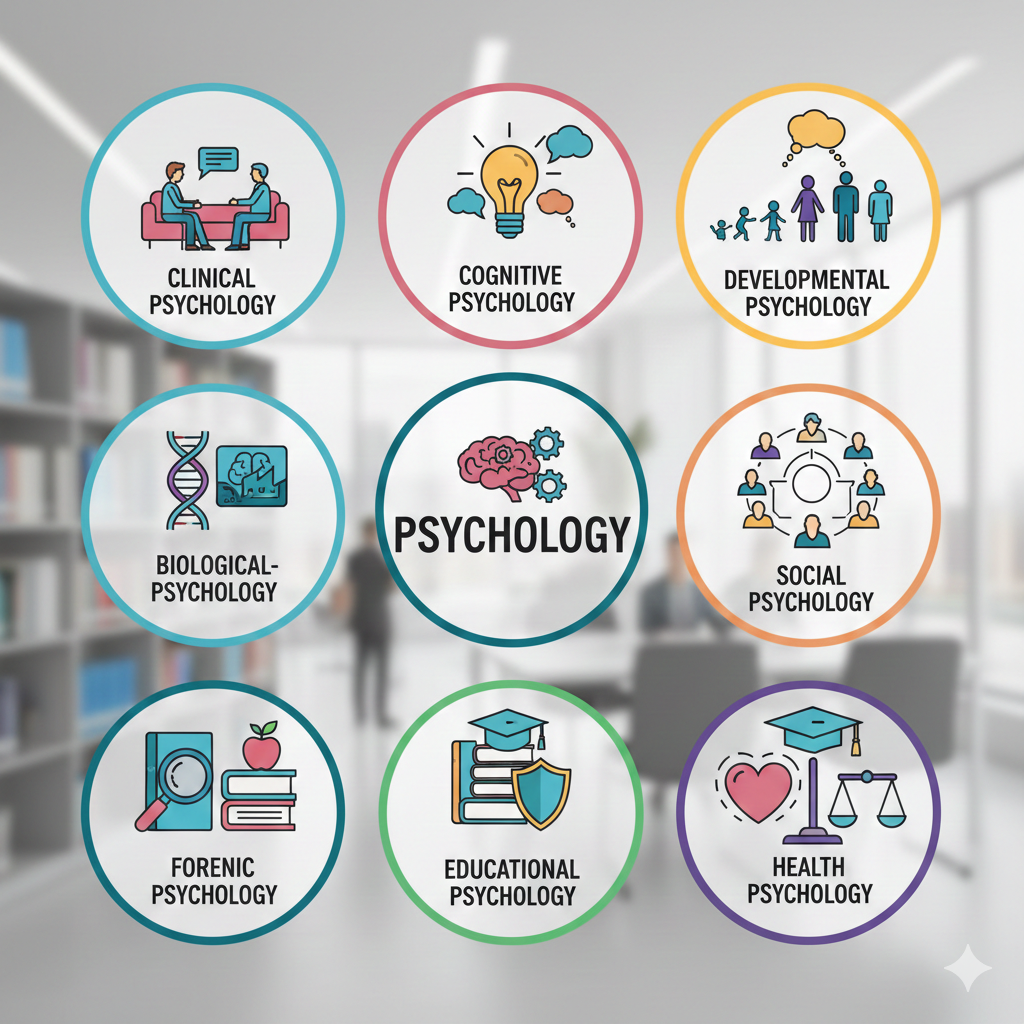
Human behavior is complex, which is why psychologists divide the field into different branches. Each branch focuses on a unique area of study. Understanding these types of psychology helps:

  • Identify mental health issues
  • Improve learning and education
  • Enhance workplace productivity
  • Support personal growth and relationships

1. Cognitive Psychology

Iris scanner man using biometrics to unlock a door

Cognitive psychology studies mental processes, including memory, attention, learning, and problem-solving. It explores how the brain processes information, similar to a computer. Cognitive psychology helps in education, artificial intelligence, and improving decision-making skills

click link for more :

https://thewovenmind.com/wp-admin/edit.php?action=rank_math_instant_index_post&index_post_id=55&method=bing_submit&_wpnonce=f2e07c04af

2. Clinical Psychology

Clinical psychology focuses on mental health and psychological disorders. Clinical psychologists help people suffering from depression, anxiety, trauma, and other mental health conditions. They use therapy, counseling, and psychological assessments to provide support and treatment.


3. Developmental Psychology
Developmental psychology examines human growth and development throughout life. From infants to seniors, this branch looks at emotional, cognitive, and social changes. Parents, teachers, and caregivers use this knowledge to support healthy development.


4. Social Psychology
Social psychology focuses on how people behave in groups and social situations. It studies relationships, cultural influence, social norms, attitudes, and group dynamics. This branch explains why people act differently when alone versus in a crowd.


5.Social Psychology
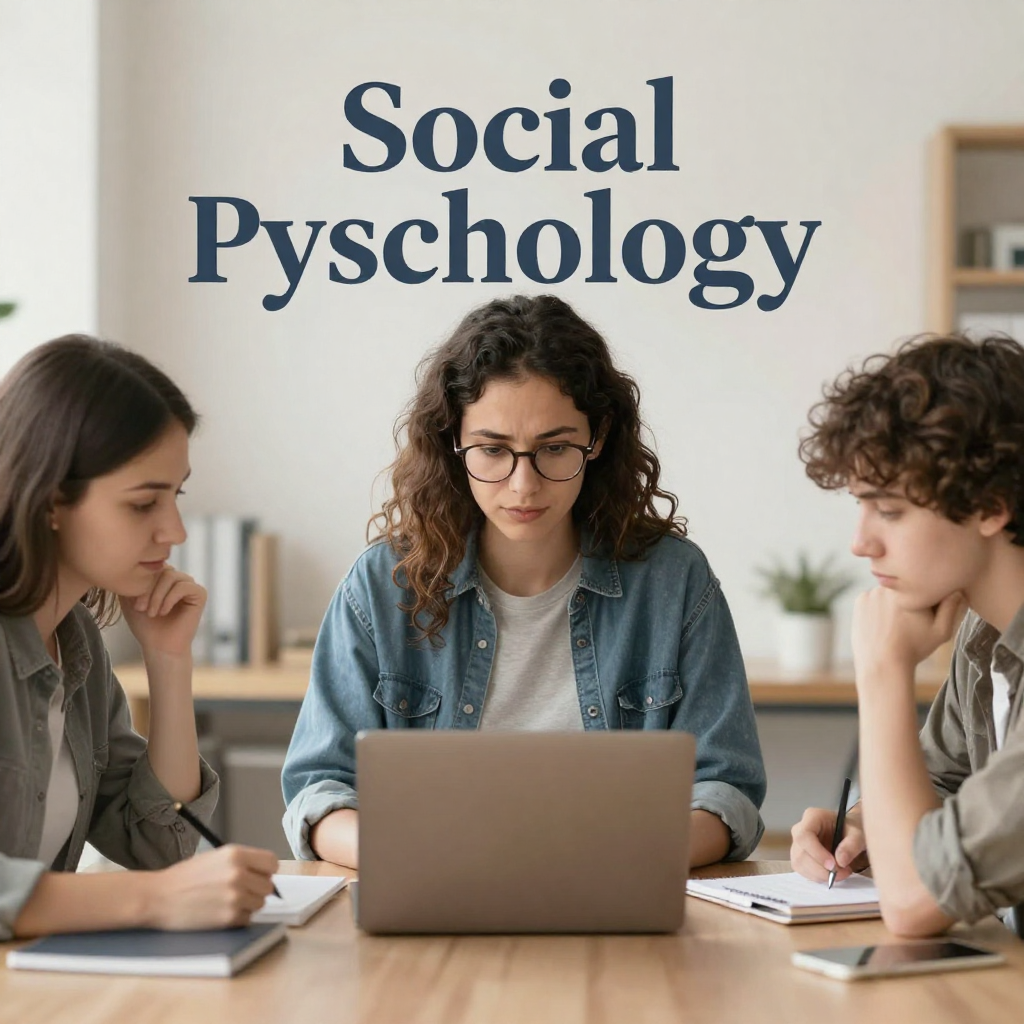
Educational psychology helps improve teaching and learning processes. It supports students with learning difficulties, motivation challenges, and behavioral issues. Teachers and educational institutions use it to create effective learning strategies.


6. Behavioral Psychology

Behavioral psychology studies observable behavior and how it is influenced by rewards, punishments, and experiences. It’s often used in therapy, behavior modification programs, and habit formation.


7. Counseling Psychology
Counseling psychology supports individuals in dealing with life challenges, including stress, relationship issues, career guidance, and personal growth. Unlike clinical psychology, it focuses more on everyday life improvement rather than severe disorders.


8. Biological Psychology
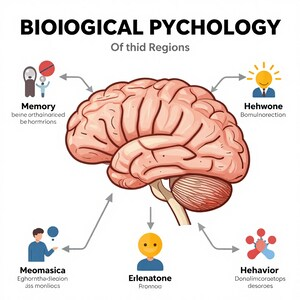
Biological psychology, or biopsychology, studies the connection between the brain, nervous system, hormones, and behavior. It explains how biological factors affect emotions, decision-making, and mental processes.


9. Industrial-Organizational Psychology

Industrial-organizational psychology applies psychology in the workplace. It helps businesses improve employee performance, job satisfaction, and leadership skills. It’s essential for productivity, recruitment, and employee well-being.


10. Forensic Psychology

Forensic psychology combines psychology with law and criminal justice. Forensic psychologists assess criminals, provide court evaluations, and help law enforcement understand criminal behavior.


11. Health Psychology

Health psychology studies how mental factors influence physical health. It focuses on stress management, healthy habits, chronic illness coping, and overall well-being. This branch emphasizes the mind-body connection.


12. Sports Psychology

Sports psychology helps athletes boost performance, focus, and motivation. It teaches mental techniques to handle stress, overcome anxiety, and maintain confidence during competitions.


13. Abnormal Psychology
Abnormal psychology studies unusual behavior and mental disorders. It examines conditions like schizophrenia, bipolar disorder, and personality disorders, aiming to understand and treat psychological challenges.


14. Child Psychology
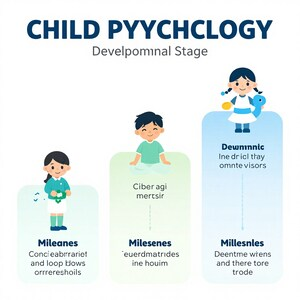
Child psychology focuses on the development of children, including learning, emotional growth, and behavior management. It helps parents, teachers, and psychologists guide children toward healthy development.


15. Positive Psychology

Positive psychology focuses on happiness, strengths, and well-being. Instead of only treating problems, it emphasizes resilience, motivation, life satisfaction, and positive emotions.


Conclusion

Psychology is a diverse and fascinating field, with each branch offering unique insights into the human mind and behavior. From mental health and learning to workplaces, sports, and personal growth, the different types of psychology help improve individual and societal well-being. Understanding these branches makes us better equipped to handle emotions, relationships, and life challenges.


FAQs

1. What are the main types of psychology?
The main types include clinical, cognitive, developmental, social, educational, behavioral, counseling, biological, industrial-organizational, forensic, health, sports, abnormal, child, and positive psychology.

2. Why is psychology important in daily life?
Psychology helps us understand thoughts, emotions, behavior, and relationships, leading to better decision-making and mental well-being.

3. What is the difference between clinical and counseling psychology?
Clinical psychology focuses on mental disorders, while counseling psychology deals with everyday life challenges and personal growth.

4. Can psychology improve workplace productivity?
Yes, industrial-organizational psychology helps businesses boost performance, job satisfaction, and employee well-being.

5. Is positive psychology different from other types?
Yes, positive psychology focuses on strengths, happiness, and life satisfaction rather than only treating problems.


Leave a Reply

Your email address will not be published. Required fields are marked *

Share this content

Understanding the Different Branches of Psychology And Explain Types Of PSYCHOLOGY

Understanding the Different Branches of Psychology

Psychology is the study of the human mind, emotions, and behavior. It’s a fascinating field because it helps us understand why people think, feel, and act the way they do. But psychology isn’t just one simple subject—it has many types or branches, each focusing on a specific area of human life. In this article, we will explore the main types of psychology, their importance, and how they affect our daily lives.


What Is Psychology?

Psychology is the scientific study of behavior and mental processes. It looks at everything from emotions and thoughts to actions and social interactions. By studying psychology, we can better understand ourselves, improve relationships, make smarter decisions, and maintain mental well-being.


Why Understanding Different Types of Psychology Matters

Human behavior is complex, which is why psychologists divide the field into different branches. Each branch focuses on a unique area of study. Understanding these types of psychology helps:

  • Identify mental health issues
  • Improve learning and education
  • Enhance workplace productivity
  • Support personal growth and relationships


1. Cognitive Psychology

Iris scanner man using biometrics to unlock a door

Cognitive psychology studies mental processes, including memory, attention, learning, and problem-solving. It explores how the brain processes information, similar to a computer. Cognitive psychology helps in education, artificial intelligence, and improving decision-making skills

click link for more :

https://thewovenmind.com/wp-admin/edit.php?action=rank_math_instant_index_post&index_post_id=55&method=bing_submit&_wpnonce=f2e07c04af

2. Clinical Psychology

Clinical psychology focuses on mental health and psychological disorders. Clinical psychologists help people suffering from depression, anxiety, trauma, and other mental health conditions. They use therapy, counseling, and psychological assessments to provide support and treatment.


3. Developmental Psychology

Developmental psychology examines human growth and development throughout life. From infants to seniors, this branch looks at emotional, cognitive, and social changes. Parents, teachers, and caregivers use this knowledge to support healthy development.


4. Social Psychology

Social psychology focuses on how people behave in groups and social situations. It studies relationships, cultural influence, social norms, attitudes, and group dynamics. This branch explains why people act differently when alone versus in a crowd.


5.Social Psychology

Educational psychology helps improve teaching and learning processes. It supports students with learning difficulties, motivation challenges, and behavioral issues. Teachers and educational institutions use it to create effective learning strategies.


6. Behavioral Psychology

Behavioral psychology studies observable behavior and how it is influenced by rewards, punishments, and experiences. It’s often used in therapy, behavior modification programs, and habit formation.


7. Counseling Psychology

Counseling psychology supports individuals in dealing with life challenges, including stress, relationship issues, career guidance, and personal growth. Unlike clinical psychology, it focuses more on everyday life improvement rather than severe disorders.


8. Biological Psychology

Biological psychology, or biopsychology, studies the connection between the brain, nervous system, hormones, and behavior. It explains how biological factors affect emotions, decision-making, and mental processes.


9. Industrial-Organizational Psychology

Industrial-organizational psychology applies psychology in the workplace. It helps businesses improve employee performance, job satisfaction, and leadership skills. It’s essential for productivity, recruitment, and employee well-being.


10. Forensic Psychology

Forensic psychology combines psychology with law and criminal justice. Forensic psychologists assess criminals, provide court evaluations, and help law enforcement understand criminal behavior.


11. Health Psychology

Health psychology studies how mental factors influence physical health. It focuses on stress management, healthy habits, chronic illness coping, and overall well-being. This branch emphasizes the mind-body connection.


12. Sports Psychology

Sports psychology helps athletes boost performance, focus, and motivation. It teaches mental techniques to handle stress, overcome anxiety, and maintain confidence during competitions.


13. Abnormal Psychology

Abnormal psychology studies unusual behavior and mental disorders. It examines conditions like schizophrenia, bipolar disorder, and personality disorders, aiming to understand and treat psychological challenges.


14. Child Psychology

Child psychology focuses on the development of children, including learning, emotional growth, and behavior management. It helps parents, teachers, and psychologists guide children toward healthy development.


15. Positive Psychology

Positive psychology focuses on happiness, strengths, and well-being. Instead of only treating problems, it emphasizes resilience, motivation, life satisfaction, and positive emotions.


Conclusion

Psychology is a diverse and fascinating field, with each branch offering unique insights into the human mind and behavior. From mental health and learning to workplaces, sports, and personal growth, the different types of psychology help improve individual and societal well-being. Understanding these branches makes us better equipped to handle emotions, relationships, and life challenges.


FAQs

1. What are the main types of psychology?
The main types include clinical, cognitive, developmental, social, educational, behavioral, counseling, biological, industrial-organizational, forensic, health, sports, abnormal, child, and positive psychology.

2. Why is psychology important in daily life?
Psychology helps us understand thoughts, emotions, behavior, and relationships, leading to better decision-making and mental well-being.

3. What is the difference between clinical and counseling psychology?
Clinical psychology focuses on mental disorders, while counseling psychology deals with everyday life challenges and personal growth.

4. Can psychology improve workplace productivity?
Yes, industrial-organizational psychology helps businesses boost performance, job satisfaction, and employee well-being.

5. Is positive psychology different from other types?
Yes, positive psychology focuses on strengths, happiness, and life satisfaction rather than only treating problems.


Leave a Reply

Your email address will not be published. Required fields are marked *

Post Author

Jordan Frank

It is a long established fact that a reader will be distracted by the readable content of a page when looking at its layout.

Recent Post

Top Categories

Tags