
News

Introduction to Trauma- and Stress-Related Disorders

Trauma doesn’t always announce itself loudly. Sometimes it arrives like a thunderclap—an accident, an assault, a natural disaster. Other times, it seeps in quietly through years of neglect, emotional abuse, or constant instability. Trauma- and stress-related disorders are the mind and body’s response to overwhelming experiences that exceed a person’s ability to cope. And here’s the thing most people don’t realize: trauma isn’t rare, and it isn’t a personal weakness. It’s a human response to extraordinary stress.

In today’s fast-paced, pressure-heavy world, exposure to trauma has become increasingly common. From childhood adversity and relationship violence to workplace burnout and global crises, stressors stack up. For some, these experiences lead to lasting psychological effects that disrupt emotions, thoughts, behaviors, and even physical health. Trauma- and stress-related disorders sit at the crossroads of mental, emotional, and physiological well-being, making them complex but deeply important to understand.

This guide breaks down everything you need to know about trauma- and stress-related disorders—what they are, why they happen, how they show up in daily life, and most importantly, how healing is possible. Whether you’re navigating your own recovery, supporting someone else, or simply seeking knowledge, understanding trauma is the first step toward compassion and change.


Understanding Psychological Trauma
What Is Trauma?

Trauma isn’t defined solely by the event itself—it’s defined by how the experience is processed by the individual. Two people can live through the same event, yet only one develops lasting trauma. Why? Because trauma occurs when an experience overwhelms the nervous system’s capacity to cope, leaving the person feeling helpless, unsafe, or powerless.

At its core, trauma is the body’s survival response gone into overdrive. The brain perceives danger and activates fight, flight, freeze, or fawn responses. When the threat doesn’t resolve or the nervous system can’t return to baseline, trauma gets stored in the body and mind. This can lead to intrusive memories, emotional numbness, hypervigilance, and difficulty regulating emotions long after the danger has passed.

Trauma isn’t just about dramatic events like war or disasters. Emotional neglect, chronic criticism, bullying, or growing up in an unpredictable household can be just as impactful. Trauma doesn’t ask for permission, and it doesn’t follow a timeline. It lingers until it’s acknowledged and addressed.


Types of Trauma: Acute, Chronic, and Complex

Trauma comes in different forms, and understanding these distinctions helps explain why symptoms vary so widely among individuals.

Acute trauma results from a single, overwhelming event—such as a car accident, physical assault, or sudden loss. The nervous system is shocked, and symptoms may appear quickly.

Chronic trauma occurs when a person is repeatedly exposed to distressing experiences over time. This includes ongoing abuse, domestic violence, long-term illness, or sustained exposure to unsafe environments. The constant stress keeps the body in survival mode.

Complex trauma typically develops from prolonged interpersonal trauma, often during childhood. This includes emotional neglect, abandonment, or abuse by caregivers. Complex trauma deeply affects identity, self-worth, emotional regulation, and relationships.

Each type of trauma leaves a different imprint, but all deserve recognition and care. Trauma is not a competition—pain is pain, and healing is valid at every level.


How Trauma Affects the Brain and Nervous System
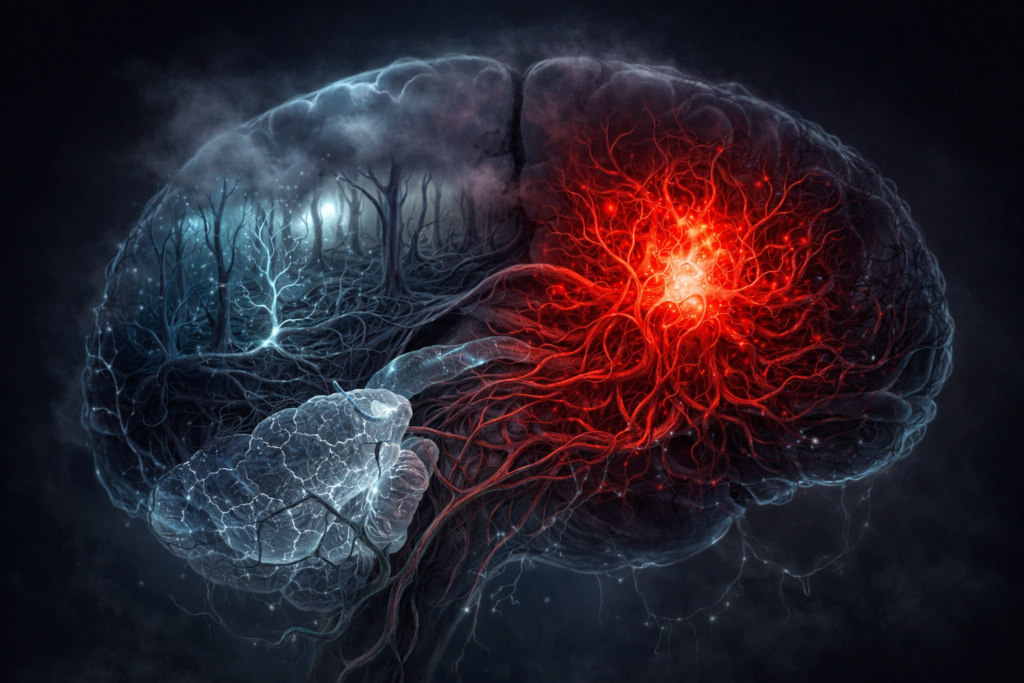
Trauma literally reshapes the brain. The amygdala, responsible for detecting threats, becomes hyperactive. The hippocampus, which helps process memories, may struggle to distinguish past from present. The prefrontal cortex, responsible for logic and decision-making, often goes offline during perceived danger.

This neurological shift explains why trauma survivors may feel “stuck,” easily startled, emotionally reactive, or disconnected from reality. The body remembers what the mind tries to forget. Trauma isn’t stored as a coherent story—it’s stored as sensations, emotions, and fragmented memories.

The nervous system becomes dysregulated, oscillating between hyperarousal (anxiety, panic, anger) and hypoarousal (numbness, shutdown, dissociation). Healing trauma involves teaching the nervous system that the danger has passed—a process that takes time, safety, and support.


What Are Trauma- and Stress-Related Disorders?

Trauma- and stress-related disorders are a category of mental health conditions recognized in diagnostic manuals such as the DSM-5. These disorders arise following exposure to a traumatic or stressful event and are characterized by persistent psychological distress that interferes with daily functioning.

Unlike general stress reactions, these disorders don’t fade on their own. They alter how individuals perceive the world, relate to others, and experience themselves. Common features include intrusive memories, avoidance behaviors, emotional dysregulation, negative self-beliefs, and heightened arousal.

What sets trauma- and stress-related disorders apart is their origin: an identifiable stressor or traumatic event. The symptoms are not random—they are survival strategies that once served a purpose but no longer fit the present moment.


Clinical Definition and Diagnostic Criteria

Clinically, trauma- and stress-related disorders require exposure to actual or threatened death, serious injury, or sexual violence, either directly, indirectly, or through repeated exposure (such as first responders). The individual must experience symptoms across multiple domains—emotional, cognitive, behavioral, and physiological—for a specific duration.

Symptoms often include:

  • Re-experiencing the trauma
  • Avoidance of reminders
  • Negative changes in mood or thinking
  • Increased arousal and reactivity

Diagnosis isn’t about labeling—it’s about understanding patterns and opening doors to appropriate treatment.


How These Disorders Differ From Anxiety and Mood Disorders

While trauma-related disorders often overlap with anxiety and depression, they are distinct in important ways. Anxiety disorders are rooted in fear of future threats, while trauma disorders are anchored in past events that feel ever-present. Mood disorders primarily affect emotional states, whereas trauma disorders affect identity, memory, and perception of safety.

Treating trauma as simple anxiety or depression can miss the root cause. Trauma-informed approaches recognize that symptoms are adaptations, not flaws.


Common Types of Trauma- and Stress-Related Disorders

Trauma- and stress-related disorders are not one-size-fits-all conditions. They exist on a spectrum, shaped by the nature of the traumatic event, the individual’s developmental stage, available support systems, and biological vulnerability. Understanding the different types of these disorders helps normalize symptoms and guides effective treatment. Each diagnosis represents a specific pattern of how trauma manifests in thoughts, emotions, behaviors, and physical responses. Importantly, these conditions are not signs of weakness—they are evidence of a nervous system doing its best to survive overwhelming experiences.

Some individuals experience symptoms immediately after a traumatic event, while others develop them months or even years later. In some cases, trauma-related disorders emerge subtly, disguised as chronic stress, relationship struggles, or unexplained physical complaints. Recognizing these conditions early can significantly improve long-term outcomes and reduce unnecessary suffering.


Post-Traumatic Stress Disorder (PTSD)

Post-Traumatic Stress Disorder (PTSD) is perhaps the most widely recognized trauma-related condition, yet it is often misunderstood. PTSD develops after exposure to a traumatic event such as combat, sexual assault, serious accidents, natural disasters, or severe interpersonal violence. What defines PTSD is not the event itself, but the persistent and distressing symptoms that follow.

Individuals with PTSD often feel as though the trauma is still happening, even when they are objectively safe. Their nervous system remains locked in survival mode, constantly scanning for danger. This can make everyday life feel exhausting and unpredictable.

PTSD affects emotional regulation, memory processing, and a person’s sense of safety in the world. Without treatment, symptoms may worsen over time, impacting relationships, work performance, and physical health. However, with appropriate trauma-focused care, recovery is absolutely possible.


Symptoms and Warning Signs of PTSD

PTSD symptoms typically fall into four main categories. The first is intrusive symptoms, which include flashbacks, nightmares, and unwanted memories that feel vivid and distressing. These experiences are not simple recollections; they often come with intense emotional and physical reactions, as if the trauma is happening again.

The second category is avoidance. People may avoid places, people, conversations, or activities that remind them of the trauma. While avoidance can provide temporary relief, it often shrinks a person’s world over time, limiting opportunities for connection and growth.

The third category involves negative changes in mood and thinking. This can include persistent guilt, shame, emotional numbness, hopelessness, and distorted beliefs about oneself or others, such as “I’m broken” or “No one can be trusted.”

Finally, hyperarousal symptoms include irritability, difficulty sleeping, exaggerated startle responses, hypervigilance, and difficulty concentrating. The body remains on high alert, even in safe environments.


PTSD in Children vs Adults

PTSD looks different in children than in adults. Children may not have the language to describe their internal experiences, so symptoms often show up through behavior. This can include regression to earlier developmental stages, bedwetting, separation anxiety, aggressive play, or reenacting the trauma during playtime.

Adolescents may display risk-taking behaviors, substance use, mood swings, or academic difficulties. Because these behaviors are sometimes dismissed as “normal phases,” childhood PTSD often goes unrecognized. Early intervention is crucial, as untreated trauma in childhood can shape emotional development and relationship patterns well into adulthood.


Acute Stress Disorder (ASD)

Acute Stress Disorder (ASD) occurs shortly after exposure to a traumatic event, typically within the first few days to weeks. While the symptoms may resemble PTSD, the key difference lies in timing and duration. ASD is diagnosed when symptoms last from three days up to one month following the trauma.

ASD represents the nervous system’s immediate reaction to overwhelming stress. For some individuals, symptoms naturally subside as the body processes the event. For others, ASD may evolve into PTSD if symptoms persist beyond one month.

Recognizing and addressing ASD early can significantly reduce the likelihood of long-term trauma-related complications.


Key Differences Between ASD and PTSD

While both disorders involve intrusive memories, avoidance, dissociation, and heightened arousal, ASD places greater emphasis on dissociative symptoms such as feeling detached from one’s body, experiencing time distortion, or feeling emotionally numb.

The primary distinction is duration. PTSD is diagnosed when symptoms persist for more than one month, whereas ASD is time-limited. Early therapeutic support during the acute phase can help stabilize the nervous system and promote natural recovery.


Adjustment Disorders

Adjustment disorders occur when an individual experiences significant emotional or behavioral distress in response to a stressful life change. These stressors may not meet the criteria for trauma, but they can still overwhelm a person’s coping abilities. Examples include divorce, job loss, relocation, chronic illness, or the death of a loved one.

Unlike PTSD, adjustment disorders are not tied to life-threatening events. However, the emotional impact can still be profound. Symptoms often include anxiety, depression, irritability, and difficulty functioning in daily life.

Adjustment disorders are highly treatable, especially when addressed early. Therapy focuses on strengthening coping skills, processing emotions, and restoring a sense of balance and control.


Emotional and Behavioral Symptoms

Emotionally, individuals may feel persistently sad, anxious, or overwhelmed. Behaviorally, they may withdraw from social activities, struggle with responsibilities, or exhibit changes in sleep and appetite. While these reactions are understandable, prolonged distress signals the need for professional support.


Reactive Attachment Disorder (RAD)

Reactive Attachment Disorder (RAD) is a trauma-related condition that develops in early childhood due to severe neglect, abuse, or inconsistent caregiving. Children with RAD struggle to form healthy emotional attachments to caregivers, often because their early needs for comfort and safety were repeatedly unmet.

RAD affects a child’s ability to trust, regulate emotions, and seek comfort from others. Without intervention, attachment difficulties can persist into adulthood, affecting relationships and self-esteem.


Early Childhood Trauma and Attachment Issues

Healthy attachment forms when caregivers respond consistently and sensitively to a child’s needs. When this process is disrupted, the child’s nervous system adapts by suppressing emotional needs or becoming hyper-independent. Trauma-informed parenting and specialized therapy can help repair attachment wounds and foster emotional security.


Disinhibited Social Engagement Disorder (DSED)

Disinhibited Social Engagement Disorder (DSED) is another attachment-related condition rooted in early neglect. Unlike RAD, children with DSED display overly familiar behavior with strangers, lacking appropriate boundaries and caution.


Impact on Social Development

Children with DSED may approach unfamiliar adults without hesitation, seek comfort indiscriminately, and struggle with peer relationships. These behaviors reflect a disrupted understanding of safety and trust. Early intervention is essential to support healthy social development.


Causes and Risk Factors

Trauma- and stress-related disorders arise from a complex interaction of biological, psychological, and environmental factors. Not everyone exposed to trauma develops a disorder, which highlights the role of individual vulnerability and resilience.


Biological Factors

Genetics play a role in how the brain responds to stress. Individuals with a family history of mental health conditions may have heightened sensitivity to trauma. Differences in brain chemistry, stress hormone regulation, and nervous system reactivity also influence risk.


Psychological and Emotional Factors

Pre-existing anxiety, low self-esteem, poor coping skills, or previous trauma increase vulnerability. A person’s interpretation of the event and perceived level of control significantly affect trauma outcomes.


Environmental and Social Influences

Lack of social support, ongoing stress, financial instability, and unsafe environments can intensify trauma responses. Conversely, strong support systems act as powerful protective factors.


Symptoms of Trauma- and Stress-Related Disorders

Trauma affects the whole person—mind, body, and behavior. Symptoms often fluctuate, intensifying during periods of stress or reminders of the trauma.


Emotional Symptoms

Common emotional symptoms include fear, anger, shame, guilt, sadness, emotional numbness, and mood swings. Many individuals struggle with feeling disconnected from themselves or others.


Cognitive Symptoms

Cognitive symptoms include intrusive thoughts, memory difficulties, negative self-beliefs, difficulty concentrating, and distorted perceptions of danger.


Physical and Somatic Symptoms

Trauma frequently manifests physically. Headaches, gastrointestinal issues, chronic pain, fatigue, and sleep disturbances are common. The body holds stress long after the event has passed.


Behavioral Symptoms

Avoidance, social withdrawal, substance use, irritability, and risk-taking behaviors often emerge as attempts to manage overwhelming internal states.


The Impact of Trauma on Daily Life

Trauma reshapes daily experiences, often in invisible ways. Relationships may feel unsafe, work performance may decline, and physical health may suffer.


Relationships and Social Functioning

Trust issues, emotional distance, fear of abandonment, or difficulty setting boundaries can strain relationships. Trauma survivors may crave connection yet fear vulnerability.


Work, Career, and Academic Performance

Concentration difficulties, burnout, absenteeism, and low motivation can affect productivity. Trauma doesn’t stay at home—it follows individuals into every environment.


Physical Health and Chronic Illness

Chronic stress linked to trauma increases the risk of heart disease, autoimmune conditions, and metabolic disorders. Mental and physical health are deeply intertwined.


Diagnosis and Assessment

Accurate diagnosis requires a comprehensive clinical evaluation conducted by a trained mental health professional.


Clinical Evaluation and Screening Tools

Assessment may include structured interviews, symptom checklists, and exploration of trauma history. A trauma-informed approach prioritizes safety and consent.


Why Early Diagnosis Matters

Early identification prevents symptom escalation, reduces long-term impairment, and improves treatment outcomes. Healing begins with understanding.


Treatment Options for Trauma- and Stress-Related Disorders

Effective treatment addresses both psychological and physiological aspects of trauma.


Psychotherapy Approaches

Therapy is the cornerstone of trauma recovery, offering tools to process experiences and regulate the nervous system.


Cognitive Behavioral Therapy (CBT)

CBT helps individuals identify and challenge unhelpful thought patterns while developing healthier coping strategies.


Trauma-Focused CBT

This specialized approach integrates trauma processing with skill-building to reduce distress and restore functioning.


EMDR Therapy

Eye Movement Desensitization and Reprocessing (EMDR) helps the brain reprocess traumatic memories, reducing their emotional intensity.


Somatic and Body-Based Therapies

Somatic therapies focus on releasing trauma stored in the body through movement, breathwork, and sensory awareness.


Medication Management

Medication may be used alongside therapy to manage symptoms.


Commonly Prescribed Medications

Antidepressants, anti-anxiety medications, and sleep aids may help stabilize mood and improve functioning.


Benefits and Limitations

Medication can reduce symptoms but does not process trauma. It works best as part of a comprehensive treatment plan.


Self-Help Strategies and Coping Mechanisms

Healing doesn’t only happen in therapy—it happens in daily life.


Grounding Techniques

Grounding exercises help anchor individuals in the present moment, reducing dissociation and anxiety.


Mindfulness and Meditation

Mindfulness practices enhance emotional awareness and nervous system regulation over time.


Lifestyle Changes That Support Healing

Regular sleep, balanced nutrition, movement, and social connection create a foundation for recovery.


Trauma Recovery and Long-Term Healing

Recovery is not linear. It involves setbacks, breakthroughs, and gradual growth.


Stages of Recovery

Recovery often includes establishing safety, processing trauma, and rebuilding life with new meaning.


Post-Traumatic Growth

Many individuals report increased resilience, deeper relationships, and renewed purpose after healing from trauma.


Supporting Someone With a Trauma-Related Disorder

Support from others plays a critical role in healing.


What to Say and What Not to Say

Listening without judgment, validating feelings, and avoiding minimizing language fosters trust.


How to Offer Meaningful Support

Patience, consistency, and encouragement to seek professional help make a powerful difference.


Trauma-Informed Care and Its Importance

Trauma-informed care recognizes the widespread impact of trauma and prioritizes safety and empowerment.


What Is Trauma-Informed Care?

It emphasizes understanding “what happened to you” rather than “what’s wrong with you.”


Applications in Healthcare, Education, and Workplaces

Trauma-informed practices improve outcomes, reduce retraumatization, and promote well-being across systems.


Breaking the Stigma Around Trauma and Mental Health

Stigma silences suffering. Open conversations, education, and compassion create pathways to healing.


Conclusion

Trauma- and stress-related disorders are not life sentences—they are invitations to healing. With understanding, evidence-based treatment, and supportive environments, recovery is not only possible but transformative. Trauma may shape the past, but it does not have to define the future.


Frequently Asked Questions (FAQs)

1. Can trauma-related disorders heal completely?
Yes. Many people experience significant symptom reduction or full recovery with proper treatment.

2. How long does trauma recovery take?
Recovery timelines vary. Healing is individual and non-linear.

3. Can trauma affect physical health?
Absolutely. Trauma is linked to chronic illness and immune system dysregulation.

4. Is therapy always necessary?
While self-help strategies help, professional therapy is strongly recommended for lasting recovery.

5. Can children outgrow trauma?
Without support, trauma often persists. Early intervention greatly improves outcomes.


https://thewovenmind.com/wp-admin/post.php?post=320&action=edit

Leave a Reply

Your email address will not be published. Required fields are marked *

Share this content

Trauma- and Stress-Related Disorders


Introduction to Trauma- and Stress-Related Disorders

Trauma doesn’t always announce itself loudly. Sometimes it arrives like a thunderclap—an accident, an assault, a natural disaster. Other times, it seeps in quietly through years of neglect, emotional abuse, or constant instability. Trauma- and stress-related disorders are the mind and body’s response to overwhelming experiences that exceed a person’s ability to cope. And here’s the thing most people don’t realize: trauma isn’t rare, and it isn’t a personal weakness. It’s a human response to extraordinary stress.

In today’s fast-paced, pressure-heavy world, exposure to trauma has become increasingly common. From childhood adversity and relationship violence to workplace burnout and global crises, stressors stack up. For some, these experiences lead to lasting psychological effects that disrupt emotions, thoughts, behaviors, and even physical health. Trauma- and stress-related disorders sit at the crossroads of mental, emotional, and physiological well-being, making them complex but deeply important to understand.

This guide breaks down everything you need to know about trauma- and stress-related disorders—what they are, why they happen, how they show up in daily life, and most importantly, how healing is possible. Whether you’re navigating your own recovery, supporting someone else, or simply seeking knowledge, understanding trauma is the first step toward compassion and change.


Understanding Psychological Trauma

What Is Trauma?

Trauma isn’t defined solely by the event itself—it’s defined by how the experience is processed by the individual. Two people can live through the same event, yet only one develops lasting trauma. Why? Because trauma occurs when an experience overwhelms the nervous system’s capacity to cope, leaving the person feeling helpless, unsafe, or powerless.

At its core, trauma is the body’s survival response gone into overdrive. The brain perceives danger and activates fight, flight, freeze, or fawn responses. When the threat doesn’t resolve or the nervous system can’t return to baseline, trauma gets stored in the body and mind. This can lead to intrusive memories, emotional numbness, hypervigilance, and difficulty regulating emotions long after the danger has passed.

Trauma isn’t just about dramatic events like war or disasters. Emotional neglect, chronic criticism, bullying, or growing up in an unpredictable household can be just as impactful. Trauma doesn’t ask for permission, and it doesn’t follow a timeline. It lingers until it’s acknowledged and addressed.


Types of Trauma: Acute, Chronic, and Complex

Trauma comes in different forms, and understanding these distinctions helps explain why symptoms vary so widely among individuals.

Acute trauma results from a single, overwhelming event—such as a car accident, physical assault, or sudden loss. The nervous system is shocked, and symptoms may appear quickly.

Chronic trauma occurs when a person is repeatedly exposed to distressing experiences over time. This includes ongoing abuse, domestic violence, long-term illness, or sustained exposure to unsafe environments. The constant stress keeps the body in survival mode.

Complex trauma typically develops from prolonged interpersonal trauma, often during childhood. This includes emotional neglect, abandonment, or abuse by caregivers. Complex trauma deeply affects identity, self-worth, emotional regulation, and relationships.

Each type of trauma leaves a different imprint, but all deserve recognition and care. Trauma is not a competition—pain is pain, and healing is valid at every level.


How Trauma Affects the Brain and Nervous System

Trauma literally reshapes the brain. The amygdala, responsible for detecting threats, becomes hyperactive. The hippocampus, which helps process memories, may struggle to distinguish past from present. The prefrontal cortex, responsible for logic and decision-making, often goes offline during perceived danger.

This neurological shift explains why trauma survivors may feel “stuck,” easily startled, emotionally reactive, or disconnected from reality. The body remembers what the mind tries to forget. Trauma isn’t stored as a coherent story—it’s stored as sensations, emotions, and fragmented memories.

The nervous system becomes dysregulated, oscillating between hyperarousal (anxiety, panic, anger) and hypoarousal (numbness, shutdown, dissociation). Healing trauma involves teaching the nervous system that the danger has passed—a process that takes time, safety, and support.


What Are Trauma- and Stress-Related Disorders?

Trauma- and stress-related disorders are a category of mental health conditions recognized in diagnostic manuals such as the DSM-5. These disorders arise following exposure to a traumatic or stressful event and are characterized by persistent psychological distress that interferes with daily functioning.

Unlike general stress reactions, these disorders don’t fade on their own. They alter how individuals perceive the world, relate to others, and experience themselves. Common features include intrusive memories, avoidance behaviors, emotional dysregulation, negative self-beliefs, and heightened arousal.

What sets trauma- and stress-related disorders apart is their origin: an identifiable stressor or traumatic event. The symptoms are not random—they are survival strategies that once served a purpose but no longer fit the present moment.


Clinical Definition and Diagnostic Criteria

Clinically, trauma- and stress-related disorders require exposure to actual or threatened death, serious injury, or sexual violence, either directly, indirectly, or through repeated exposure (such as first responders). The individual must experience symptoms across multiple domains—emotional, cognitive, behavioral, and physiological—for a specific duration.

Symptoms often include:

  • Re-experiencing the trauma
  • Avoidance of reminders
  • Negative changes in mood or thinking
  • Increased arousal and reactivity

Diagnosis isn’t about labeling—it’s about understanding patterns and opening doors to appropriate treatment.


How These Disorders Differ From Anxiety and Mood Disorders

While trauma-related disorders often overlap with anxiety and depression, they are distinct in important ways. Anxiety disorders are rooted in fear of future threats, while trauma disorders are anchored in past events that feel ever-present. Mood disorders primarily affect emotional states, whereas trauma disorders affect identity, memory, and perception of safety.

Treating trauma as simple anxiety or depression can miss the root cause. Trauma-informed approaches recognize that symptoms are adaptations, not flaws.


Common Types of Trauma- and Stress-Related Disorders

Trauma- and stress-related disorders are not one-size-fits-all conditions. They exist on a spectrum, shaped by the nature of the traumatic event, the individual’s developmental stage, available support systems, and biological vulnerability. Understanding the different types of these disorders helps normalize symptoms and guides effective treatment. Each diagnosis represents a specific pattern of how trauma manifests in thoughts, emotions, behaviors, and physical responses. Importantly, these conditions are not signs of weakness—they are evidence of a nervous system doing its best to survive overwhelming experiences.

Some individuals experience symptoms immediately after a traumatic event, while others develop them months or even years later. In some cases, trauma-related disorders emerge subtly, disguised as chronic stress, relationship struggles, or unexplained physical complaints. Recognizing these conditions early can significantly improve long-term outcomes and reduce unnecessary suffering.


Post-Traumatic Stress Disorder (PTSD)

Post-Traumatic Stress Disorder (PTSD) is perhaps the most widely recognized trauma-related condition, yet it is often misunderstood. PTSD develops after exposure to a traumatic event such as combat, sexual assault, serious accidents, natural disasters, or severe interpersonal violence. What defines PTSD is not the event itself, but the persistent and distressing symptoms that follow.

Individuals with PTSD often feel as though the trauma is still happening, even when they are objectively safe. Their nervous system remains locked in survival mode, constantly scanning for danger. This can make everyday life feel exhausting and unpredictable.

PTSD affects emotional regulation, memory processing, and a person’s sense of safety in the world. Without treatment, symptoms may worsen over time, impacting relationships, work performance, and physical health. However, with appropriate trauma-focused care, recovery is absolutely possible.


Symptoms and Warning Signs of PTSD

PTSD symptoms typically fall into four main categories. The first is intrusive symptoms, which include flashbacks, nightmares, and unwanted memories that feel vivid and distressing. These experiences are not simple recollections; they often come with intense emotional and physical reactions, as if the trauma is happening again.

The second category is avoidance. People may avoid places, people, conversations, or activities that remind them of the trauma. While avoidance can provide temporary relief, it often shrinks a person’s world over time, limiting opportunities for connection and growth.

The third category involves negative changes in mood and thinking. This can include persistent guilt, shame, emotional numbness, hopelessness, and distorted beliefs about oneself or others, such as “I’m broken” or “No one can be trusted.”

Finally, hyperarousal symptoms include irritability, difficulty sleeping, exaggerated startle responses, hypervigilance, and difficulty concentrating. The body remains on high alert, even in safe environments.


PTSD in Children vs Adults

PTSD looks different in children than in adults. Children may not have the language to describe their internal experiences, so symptoms often show up through behavior. This can include regression to earlier developmental stages, bedwetting, separation anxiety, aggressive play, or reenacting the trauma during playtime.

Adolescents may display risk-taking behaviors, substance use, mood swings, or academic difficulties. Because these behaviors are sometimes dismissed as “normal phases,” childhood PTSD often goes unrecognized. Early intervention is crucial, as untreated trauma in childhood can shape emotional development and relationship patterns well into adulthood.


Acute Stress Disorder (ASD)

Acute Stress Disorder (ASD) occurs shortly after exposure to a traumatic event, typically within the first few days to weeks. While the symptoms may resemble PTSD, the key difference lies in timing and duration. ASD is diagnosed when symptoms last from three days up to one month following the trauma.

ASD represents the nervous system’s immediate reaction to overwhelming stress. For some individuals, symptoms naturally subside as the body processes the event. For others, ASD may evolve into PTSD if symptoms persist beyond one month.

Recognizing and addressing ASD early can significantly reduce the likelihood of long-term trauma-related complications.


Key Differences Between ASD and PTSD

While both disorders involve intrusive memories, avoidance, dissociation, and heightened arousal, ASD places greater emphasis on dissociative symptoms such as feeling detached from one’s body, experiencing time distortion, or feeling emotionally numb.

The primary distinction is duration. PTSD is diagnosed when symptoms persist for more than one month, whereas ASD is time-limited. Early therapeutic support during the acute phase can help stabilize the nervous system and promote natural recovery.


Adjustment Disorders

Adjustment disorders occur when an individual experiences significant emotional or behavioral distress in response to a stressful life change. These stressors may not meet the criteria for trauma, but they can still overwhelm a person’s coping abilities. Examples include divorce, job loss, relocation, chronic illness, or the death of a loved one.

Unlike PTSD, adjustment disorders are not tied to life-threatening events. However, the emotional impact can still be profound. Symptoms often include anxiety, depression, irritability, and difficulty functioning in daily life.

Adjustment disorders are highly treatable, especially when addressed early. Therapy focuses on strengthening coping skills, processing emotions, and restoring a sense of balance and control.


Emotional and Behavioral Symptoms

Emotionally, individuals may feel persistently sad, anxious, or overwhelmed. Behaviorally, they may withdraw from social activities, struggle with responsibilities, or exhibit changes in sleep and appetite. While these reactions are understandable, prolonged distress signals the need for professional support.


Reactive Attachment Disorder (RAD)

Reactive Attachment Disorder (RAD) is a trauma-related condition that develops in early childhood due to severe neglect, abuse, or inconsistent caregiving. Children with RAD struggle to form healthy emotional attachments to caregivers, often because their early needs for comfort and safety were repeatedly unmet.

RAD affects a child’s ability to trust, regulate emotions, and seek comfort from others. Without intervention, attachment difficulties can persist into adulthood, affecting relationships and self-esteem.


Early Childhood Trauma and Attachment Issues

Healthy attachment forms when caregivers respond consistently and sensitively to a child’s needs. When this process is disrupted, the child’s nervous system adapts by suppressing emotional needs or becoming hyper-independent. Trauma-informed parenting and specialized therapy can help repair attachment wounds and foster emotional security.


Disinhibited Social Engagement Disorder (DSED)

Disinhibited Social Engagement Disorder (DSED) is another attachment-related condition rooted in early neglect. Unlike RAD, children with DSED display overly familiar behavior with strangers, lacking appropriate boundaries and caution.


Impact on Social Development

Children with DSED may approach unfamiliar adults without hesitation, seek comfort indiscriminately, and struggle with peer relationships. These behaviors reflect a disrupted understanding of safety and trust. Early intervention is essential to support healthy social development.


Causes and Risk Factors

Trauma- and stress-related disorders arise from a complex interaction of biological, psychological, and environmental factors. Not everyone exposed to trauma develops a disorder, which highlights the role of individual vulnerability and resilience.


Biological Factors

Genetics play a role in how the brain responds to stress. Individuals with a family history of mental health conditions may have heightened sensitivity to trauma. Differences in brain chemistry, stress hormone regulation, and nervous system reactivity also influence risk.


Psychological and Emotional Factors

Pre-existing anxiety, low self-esteem, poor coping skills, or previous trauma increase vulnerability. A person’s interpretation of the event and perceived level of control significantly affect trauma outcomes.


Environmental and Social Influences

Lack of social support, ongoing stress, financial instability, and unsafe environments can intensify trauma responses. Conversely, strong support systems act as powerful protective factors.


Symptoms of Trauma- and Stress-Related Disorders

Trauma affects the whole person—mind, body, and behavior. Symptoms often fluctuate, intensifying during periods of stress or reminders of the trauma.


Emotional Symptoms

Common emotional symptoms include fear, anger, shame, guilt, sadness, emotional numbness, and mood swings. Many individuals struggle with feeling disconnected from themselves or others.


Cognitive Symptoms

Cognitive symptoms include intrusive thoughts, memory difficulties, negative self-beliefs, difficulty concentrating, and distorted perceptions of danger.


Physical and Somatic Symptoms

Trauma frequently manifests physically. Headaches, gastrointestinal issues, chronic pain, fatigue, and sleep disturbances are common. The body holds stress long after the event has passed.


Behavioral Symptoms

Avoidance, social withdrawal, substance use, irritability, and risk-taking behaviors often emerge as attempts to manage overwhelming internal states.


The Impact of Trauma on Daily Life

Trauma reshapes daily experiences, often in invisible ways. Relationships may feel unsafe, work performance may decline, and physical health may suffer.


Relationships and Social Functioning

Trust issues, emotional distance, fear of abandonment, or difficulty setting boundaries can strain relationships. Trauma survivors may crave connection yet fear vulnerability.


Work, Career, and Academic Performance

Concentration difficulties, burnout, absenteeism, and low motivation can affect productivity. Trauma doesn’t stay at home—it follows individuals into every environment.


Physical Health and Chronic Illness

Chronic stress linked to trauma increases the risk of heart disease, autoimmune conditions, and metabolic disorders. Mental and physical health are deeply intertwined.


Diagnosis and Assessment

Accurate diagnosis requires a comprehensive clinical evaluation conducted by a trained mental health professional.


Clinical Evaluation and Screening Tools

Assessment may include structured interviews, symptom checklists, and exploration of trauma history. A trauma-informed approach prioritizes safety and consent.


Why Early Diagnosis Matters

Early identification prevents symptom escalation, reduces long-term impairment, and improves treatment outcomes. Healing begins with understanding.


Treatment Options for Trauma- and Stress-Related Disorders

Effective treatment addresses both psychological and physiological aspects of trauma.


Psychotherapy Approaches

Therapy is the cornerstone of trauma recovery, offering tools to process experiences and regulate the nervous system.


Cognitive Behavioral Therapy (CBT)

CBT helps individuals identify and challenge unhelpful thought patterns while developing healthier coping strategies.


Trauma-Focused CBT

This specialized approach integrates trauma processing with skill-building to reduce distress and restore functioning.


EMDR Therapy

Eye Movement Desensitization and Reprocessing (EMDR) helps the brain reprocess traumatic memories, reducing their emotional intensity.


Somatic and Body-Based Therapies

Somatic therapies focus on releasing trauma stored in the body through movement, breathwork, and sensory awareness.


Medication Management

Medication may be used alongside therapy to manage symptoms.


Commonly Prescribed Medications

Antidepressants, anti-anxiety medications, and sleep aids may help stabilize mood and improve functioning.


Benefits and Limitations

Medication can reduce symptoms but does not process trauma. It works best as part of a comprehensive treatment plan.


Self-Help Strategies and Coping Mechanisms

Healing doesn’t only happen in therapy—it happens in daily life.


Grounding Techniques

Grounding exercises help anchor individuals in the present moment, reducing dissociation and anxiety.


Mindfulness and Meditation

Mindfulness practices enhance emotional awareness and nervous system regulation over time.


Lifestyle Changes That Support Healing

Regular sleep, balanced nutrition, movement, and social connection create a foundation for recovery.


Trauma Recovery and Long-Term Healing

Recovery is not linear. It involves setbacks, breakthroughs, and gradual growth.


Stages of Recovery

Recovery often includes establishing safety, processing trauma, and rebuilding life with new meaning.


Post-Traumatic Growth

Many individuals report increased resilience, deeper relationships, and renewed purpose after healing from trauma.


Supporting Someone With a Trauma-Related Disorder

Support from others plays a critical role in healing.


What to Say and What Not to Say

Listening without judgment, validating feelings, and avoiding minimizing language fosters trust.


How to Offer Meaningful Support

Patience, consistency, and encouragement to seek professional help make a powerful difference.


Trauma-Informed Care and Its Importance

Trauma-informed care recognizes the widespread impact of trauma and prioritizes safety and empowerment.


What Is Trauma-Informed Care?

It emphasizes understanding “what happened to you” rather than “what’s wrong with you.”


Applications in Healthcare, Education, and Workplaces

Trauma-informed practices improve outcomes, reduce retraumatization, and promote well-being across systems.


Breaking the Stigma Around Trauma and Mental Health

Stigma silences suffering. Open conversations, education, and compassion create pathways to healing.


Conclusion

Trauma- and stress-related disorders are not life sentences—they are invitations to healing. With understanding, evidence-based treatment, and supportive environments, recovery is not only possible but transformative. Trauma may shape the past, but it does not have to define the future.


Frequently Asked Questions (FAQs)

1. Can trauma-related disorders heal completely?
Yes. Many people experience significant symptom reduction or full recovery with proper treatment.

2. How long does trauma recovery take?
Recovery timelines vary. Healing is individual and non-linear.

3. Can trauma affect physical health?
Absolutely. Trauma is linked to chronic illness and immune system dysregulation.

4. Is therapy always necessary?
While self-help strategies help, professional therapy is strongly recommended for lasting recovery.

5. Can children outgrow trauma?
Without support, trauma often persists. Early intervention greatly improves outcomes.


https://thewovenmind.com/wp-admin/post.php?post=320&action=edit

Leave a Reply

Your email address will not be published. Required fields are marked *

Post Author

Jordan Frank

It is a long established fact that a reader will be distracted by the readable content of a page when looking at its layout.

Recent Post

Top Categories

Tags