News

What Is Social Anxiety Disorder?

Definition and Clinical Overview

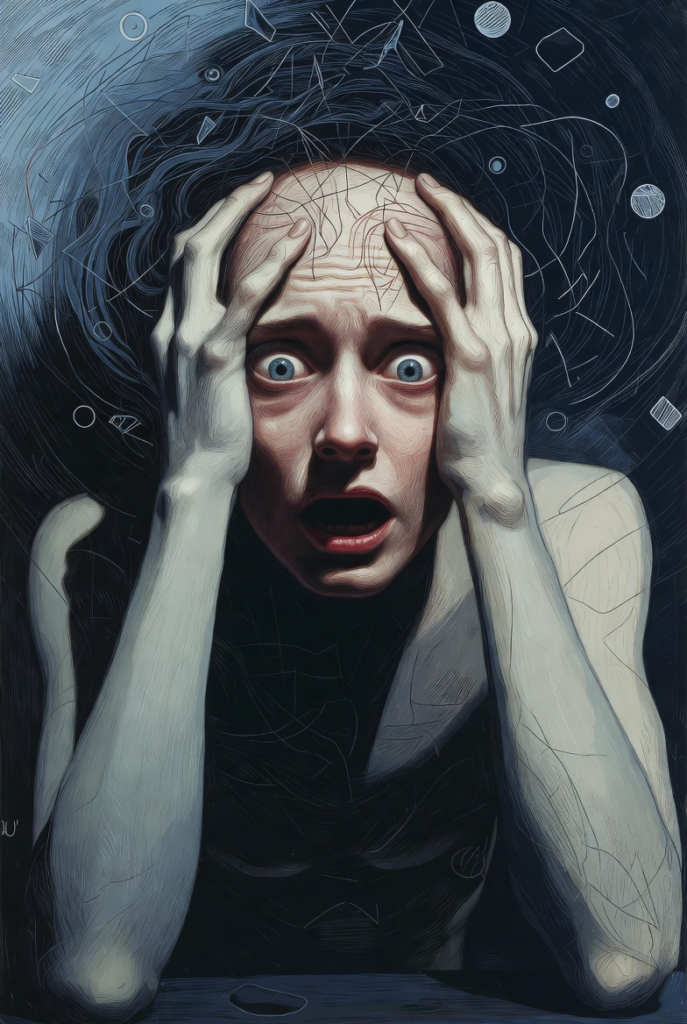
Social Anxiety Disorder (SAD), also called social phobia, is more than just feeling shy or nervous. It is an intense, persistent fear of being judged, embarrassed, or rejected in social situations. Imagine walking into a room and feeling like every single person is watching you, analyzing you, and silently criticizing you. That’s what social anxiety feels like — but every day.

It is a recognized mental health condition that affects millions of people worldwide. And the worst part? Many people suffer silently.

Difference Between Shyness and Social Anxiety

Let’s clear this up. Shyness is temporary and mild. Social anxiety is overwhelming and life-disrupting.

A shy person may feel uncomfortable at a party but still attend. A person with social anxiety may avoid the party completely — or feel extreme panic if forced to go.

Shyness whispers. Social anxiety screams.


Signs and Symptoms of Social Anxiety Disorder

Emotional Symptoms

  • Intense fear of judgment
  • Constant worry before social events
  • Fear of embarrassment
  • Low self-esteem

You may replay conversations in your mind for hours thinking, “Did I say something stupid?”

Physical Symptoms

Social anxiety doesn’t just affect your mind — it affects your body too.

  • Rapid heartbeat
  • Sweating
  • Blushing
  • Trembling
  • Nausea

It can feel like your body is in “danger mode,” even when you’re just speaking in class.

Behavioral Symptoms

  • Avoiding social gatherings
  • Skipping school or work
  • Not making eye contact
  • Staying silent in group discussions

Avoidance becomes a coping mechanism — but it actually makes anxiety stronger.


Genetic Factors

If anxiety runs in your family, you may have a higher risk. Genetics can increase vulnerability, but they don’t guarantee you’ll develop it.

Brain Chemistry and Structure

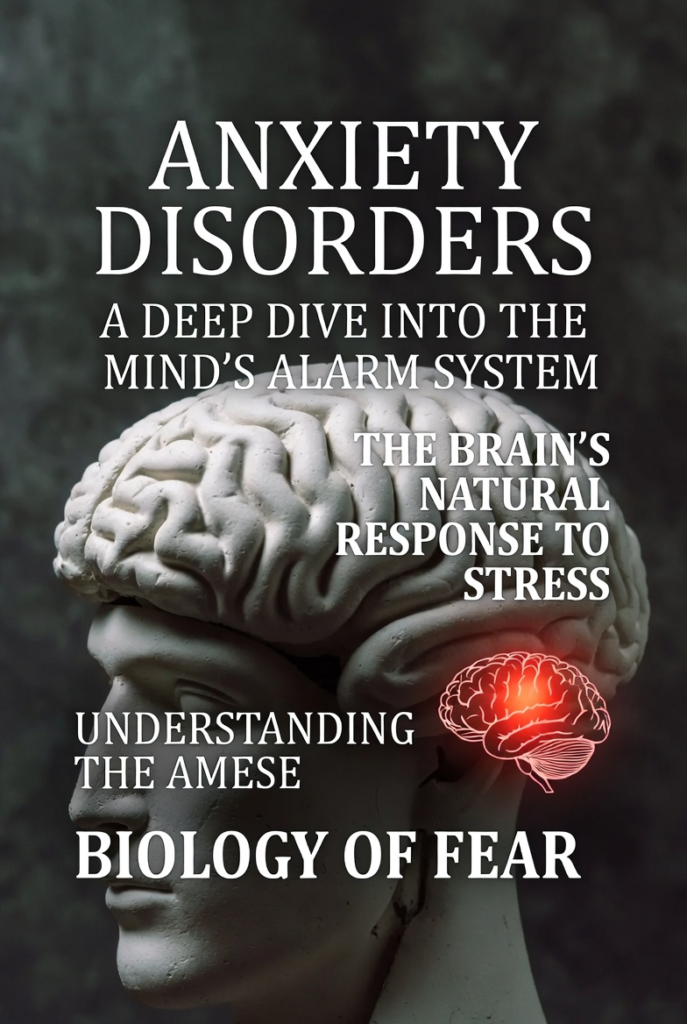
An overactive amygdala (the brain’s fear center) may play a role. Think of it like a smoke detector that goes off even when there’s no fire.

Environmental and Childhood Experiences

Bullying, criticism, humiliation, or overprotective parenting can shape social fears. Early negative experiences leave deep emotional footprints.


Risk Factors of Social Anxiety Disorder

Family History

Having anxious parents increases risk.

Negative Social Experiences

Teasing, rejection, or trauma can trigger long-term fear.

Personality Traits

People who are naturally sensitive or introverted may be more vulnerable.


How Social Anxiety Disorder Affects Daily Life

Impact on Education

Students may avoid presentations, group projects, or even attending school. Grades suffer — not because of lack of intelligence, but fear.

Impact on Career

Job interviews feel terrifying. Speaking in meetings becomes a nightmare. Promotions may be missed because visibility feels unsafe.

Impact on Relationships

Making friends feels exhausting. Dating feels impossible. Isolation grows like a quiet shadow.


Types of Social Anxiety Disorder

Generalized Social Anxiety

Fear occurs in almost all social situations — conversations, eating in public, meeting new people.

Performance-Only Social Anxiety

Fear is specific to performing — public speaking, presentations, stage performances.


Diagnosis of Social Anxiety Disorder

DSM-5 Criteria

Mental health professionals use DSM-5 guidelines. The fear must:

  • Last 6 months or more
  • Cause significant distress
  • Interfere with daily life

Psychological Evaluation

A licensed therapist conducts interviews and assessments to confirm diagnosis.


Treatment Options for Social Anxiety Disorder

Cognitive Behavioral Therapy (CBT)

CBT is the gold standard. It helps identify negative thoughts like “Everyone thinks I’m stupid” and replace them with realistic ones.

It rewires your thinking patterns step by step.

Exposure Therapy

Avoidance feeds anxiety. Exposure therapy gently and gradually exposes you to feared situations until your brain learns: “I’m safe.”

Medications

Doctors may prescribe medication if symptoms are severe.

SSRIs and Anti-Anxiety Medications

SSRIs help regulate serotonin levels. Beta-blockers may reduce physical symptoms during performances.

Medication isn’t a weakness. It’s a tool.


Self-Help Strategies to Manage Social Anxiety

Breathing Techniques

Deep breathing calms your nervous system. Try inhaling for 4 seconds, holding for 4, and exhaling for 6.

Challenging Negative Thoughts

Ask yourself:
“Is this fear realistic?”
“What evidence do I have?”

Often, anxiety exaggerates danger.

Gradual Exposure Practice

Start small. Say hello to a cashier. Ask one question in class. Progress slowly.


Lifestyle Changes That Help

Exercise and Physical Activity

Exercise reduces stress hormones and boosts mood naturally.

Healthy Diet

Reduce caffeine. It can worsen anxiety symptoms.

Sleep Hygiene

Poor sleep increases anxiety. Aim for 7–9 hours nightly.


Coping Skills for Social Situations

Preparing for Events

Plan conversation topics. Practice in front of a mirror.

Conversation Starters

Simple questions work best:

  • “How was your day?”
  • “What do you think about this event?”

Handling Embarrassment

Everyone makes mistakes. Most people forget your awkward moment within minutes — even if you remember it for days.


Social Anxiety in Children and Teenagers

Early Warning Signs

  • Refusing school
  • Crying before social events
  • Clinging behavior

How Parents Can Help

Encourage gradual exposure. Avoid forcing. Provide emotional support, not criticism.


Social Anxiety vs Other Anxiety Disorders

Difference from Generalized Anxiety Disorder

GAD involves worrying about many life areas. Social anxiety focuses mainly on social judgment.

Difference from Panic Disorder

Panic disorder includes sudden panic attacks without specific social triggers.


When to Seek Professional Help

If anxiety:

  • Lasts over 6 months
  • Interferes with work or school
  • Causes avoidance

It’s time to consult a mental health professional.


Breaking the Stigma Around Social Anxiety

Social anxiety is not weakness. It is not laziness. It is not “being dramatic.”

It is a real mental health condition — and recovery is possible.


Long-Term Recovery and Outlook

With therapy, medication, and practice, most people improve significantly. Recovery is not instant. It’s like building muscle — small effort repeated daily creates strength.

You are not broken. You are learning courage.


Conclusion

Social Anxiety Disorder can feel like living behind invisible glass — seeing the world but feeling unable to step into it. But here’s the truth: it is treatable. With the right support, coping strategies, and professional help, you can reduce fear and build confidence.

Anxiety may be loud, but it does not define you.


FAQs About Social Anxiety Disorder

1. Is social anxiety disorder curable?

It is highly treatable. Many people experience major improvement with therapy and support.

2. Can social anxiety go away on its own?

Sometimes mild cases improve, but professional treatment greatly increases recovery chances.

3. Is social anxiety the same as introversion?

No. Introversion is a personality trait. Social anxiety is a mental health condition involving fear.

4. What is the best therapy for social anxiety?

Cognitive Behavioral Therapy (CBT) is considered the most effective treatment.

5. Can children outgrow social anxiety?

Some may improve naturally, but early support and therapy prevent long-term complications.


https://thewovenmind.com/wp-admin/post.php?post=428&action=edit

Leave a Reply

Your email address will not be published. Required fields are marked *

Share this content

Social Anxiety Disorder


What Is Social Anxiety Disorder?

Definition and Clinical Overview

Social Anxiety Disorder (SAD), also called social phobia, is more than just feeling shy or nervous. It is an intense, persistent fear of being judged, embarrassed, or rejected in social situations. Imagine walking into a room and feeling like every single person is watching you, analyzing you, and silently criticizing you. That’s what social anxiety feels like — but every day.

It is a recognized mental health condition that affects millions of people worldwide. And the worst part? Many people suffer silently.

Difference Between Shyness and Social Anxiety

Let’s clear this up. Shyness is temporary and mild. Social anxiety is overwhelming and life-disrupting.

A shy person may feel uncomfortable at a party but still attend. A person with social anxiety may avoid the party completely — or feel extreme panic if forced to go.

Shyness whispers. Social anxiety screams.


Signs and Symptoms of Social Anxiety Disorder

Emotional Symptoms

  • Intense fear of judgment
  • Constant worry before social events
  • Fear of embarrassment
  • Low self-esteem

You may replay conversations in your mind for hours thinking, “Did I say something stupid?”

Physical Symptoms

Social anxiety doesn’t just affect your mind — it affects your body too.

  • Rapid heartbeat
  • Sweating
  • Blushing
  • Trembling
  • Nausea

It can feel like your body is in “danger mode,” even when you’re just speaking in class.

Behavioral Symptoms

  • Avoiding social gatherings
  • Skipping school or work
  • Not making eye contact
  • Staying silent in group discussions

Avoidance becomes a coping mechanism — but it actually makes anxiety stronger.


Genetic Factors

If anxiety runs in your family, you may have a higher risk. Genetics can increase vulnerability, but they don’t guarantee you’ll develop it.

Brain Chemistry and Structure

An overactive amygdala (the brain’s fear center) may play a role. Think of it like a smoke detector that goes off even when there’s no fire.

Environmental and Childhood Experiences

Bullying, criticism, humiliation, or overprotective parenting can shape social fears. Early negative experiences leave deep emotional footprints.


Risk Factors of Social Anxiety Disorder

Family History

Having anxious parents increases risk.

Negative Social Experiences

Teasing, rejection, or trauma can trigger long-term fear.

Personality Traits

People who are naturally sensitive or introverted may be more vulnerable.


How Social Anxiety Disorder Affects Daily Life

Impact on Education

Students may avoid presentations, group projects, or even attending school. Grades suffer — not because of lack of intelligence, but fear.

Impact on Career

Job interviews feel terrifying. Speaking in meetings becomes a nightmare. Promotions may be missed because visibility feels unsafe.

Impact on Relationships

Making friends feels exhausting. Dating feels impossible. Isolation grows like a quiet shadow.


Types of Social Anxiety Disorder

Generalized Social Anxiety

Fear occurs in almost all social situations — conversations, eating in public, meeting new people.

Performance-Only Social Anxiety

Fear is specific to performing — public speaking, presentations, stage performances.


Diagnosis of Social Anxiety Disorder

DSM-5 Criteria

Mental health professionals use DSM-5 guidelines. The fear must:

  • Last 6 months or more
  • Cause significant distress
  • Interfere with daily life

Psychological Evaluation

A licensed therapist conducts interviews and assessments to confirm diagnosis.


Treatment Options for Social Anxiety Disorder

Cognitive Behavioral Therapy (CBT)

CBT is the gold standard. It helps identify negative thoughts like “Everyone thinks I’m stupid” and replace them with realistic ones.

It rewires your thinking patterns step by step.

Exposure Therapy

Avoidance feeds anxiety. Exposure therapy gently and gradually exposes you to feared situations until your brain learns: “I’m safe.”

Medications

Doctors may prescribe medication if symptoms are severe.

SSRIs and Anti-Anxiety Medications

SSRIs help regulate serotonin levels. Beta-blockers may reduce physical symptoms during performances.

Medication isn’t a weakness. It’s a tool.


Self-Help Strategies to Manage Social Anxiety

Breathing Techniques

Deep breathing calms your nervous system. Try inhaling for 4 seconds, holding for 4, and exhaling for 6.

Challenging Negative Thoughts

Ask yourself:
“Is this fear realistic?”
“What evidence do I have?”

Often, anxiety exaggerates danger.

Gradual Exposure Practice

Start small. Say hello to a cashier. Ask one question in class. Progress slowly.


Lifestyle Changes That Help

Exercise and Physical Activity

Exercise reduces stress hormones and boosts mood naturally.

Healthy Diet

Reduce caffeine. It can worsen anxiety symptoms.

Sleep Hygiene

Poor sleep increases anxiety. Aim for 7–9 hours nightly.


Coping Skills for Social Situations

Preparing for Events

Plan conversation topics. Practice in front of a mirror.

Conversation Starters

Simple questions work best:

  • “How was your day?”
  • “What do you think about this event?”

Handling Embarrassment

Everyone makes mistakes. Most people forget your awkward moment within minutes — even if you remember it for days.


Social Anxiety in Children and Teenagers

Early Warning Signs

  • Refusing school
  • Crying before social events
  • Clinging behavior

How Parents Can Help

Encourage gradual exposure. Avoid forcing. Provide emotional support, not criticism.


Social Anxiety vs Other Anxiety Disorders

Difference from Generalized Anxiety Disorder

GAD involves worrying about many life areas. Social anxiety focuses mainly on social judgment.

Difference from Panic Disorder

Panic disorder includes sudden panic attacks without specific social triggers.


When to Seek Professional Help

If anxiety:

  • Lasts over 6 months
  • Interferes with work or school
  • Causes avoidance

It’s time to consult a mental health professional.


Breaking the Stigma Around Social Anxiety

Social anxiety is not weakness. It is not laziness. It is not “being dramatic.”

It is a real mental health condition — and recovery is possible.


Long-Term Recovery and Outlook

With therapy, medication, and practice, most people improve significantly. Recovery is not instant. It’s like building muscle — small effort repeated daily creates strength.

You are not broken. You are learning courage.


Conclusion

Social Anxiety Disorder can feel like living behind invisible glass — seeing the world but feeling unable to step into it. But here’s the truth: it is treatable. With the right support, coping strategies, and professional help, you can reduce fear and build confidence.

Anxiety may be loud, but it does not define you.


FAQs About Social Anxiety Disorder

1. Is social anxiety disorder curable?

It is highly treatable. Many people experience major improvement with therapy and support.

2. Can social anxiety go away on its own?

Sometimes mild cases improve, but professional treatment greatly increases recovery chances.

3. Is social anxiety the same as introversion?

No. Introversion is a personality trait. Social anxiety is a mental health condition involving fear.

4. What is the best therapy for social anxiety?

Cognitive Behavioral Therapy (CBT) is considered the most effective treatment.

5. Can children outgrow social anxiety?

Some may improve naturally, but early support and therapy prevent long-term complications.


https://thewovenmind.com/wp-admin/post.php?post=428&action=edit

Leave a Reply

Your email address will not be published. Required fields are marked *

Post Author

Jordan Frank

It is a long established fact that a reader will be distracted by the readable content of a page when looking at its layout.

Recent Post

Top Categories

Tags