
 By SAIMA KHAN
Mental health is finally getting the attention it deserves, but with that attention comes confusion. One of the most common questions people ask is simple yet surprisingly complex: What’s the difference between a psychologist and a psychiatrist? If you’ve ever found yourself stuck wondering who to see for anxiety, depression, trauma, or stress, you’re not alone.
At first glance, psychologists and psychiatrists may seem interchangeable. After all, both work with mental health, emotions, and behavior. Both listen, diagnose, and help people heal. But dig a little deeper, and you’ll discover that these two professions are built on very different foundations. One comes from a psychological and behavioral science background, while the other is rooted in medicine and biology.
Understanding the difference isn’t just about curiosity—it can directly affect the quality of care you receive. Choosing the right professional can save time, money, and emotional energy. Think of it like choosing between a physical therapist and an orthopedic surgeon. Both help with pain and mobility, but they use very different tools.
In this guide, we’ll break down everything you need to know about psychologists vs psychiatrists in plain, human language. No jargon. No fluff. Just real explanations, practical examples, and honest comparisons to help you make informed decisions about your mental health journey.
Mental Health Care: An Overview
Mental health care isn’t a luxury anymore—it’s a necessity. In today’s fast-paced, always-connected world, stress, anxiety, depression, and burnout have become almost unavoidable. Yet despite this growing awareness, many people still hesitate to seek help because they don’t know where to start or whom to trust.
Psychologists and psychiatrists are two of the most visible professionals in mental health care. While they often work with similar conditions, their approaches, training, and tools differ significantly. Understanding these differences is crucial because mental health treatment is not one-size-fits-all. Some people benefit most from talk therapy, while others need medical intervention, and many need a combination of both.
Mental health care works best when it’s personalized. Imagine trying to fix a leaky roof with only paint. It might look better for a while, but the real problem remains. Similarly, mental health issues require the right kind of expertise. That’s where knowing the role of each professional becomes essential.
In modern healthcare systems, psychologists and psychiatrists often collaborate. One might focus on emotional patterns and coping strategies, while the other addresses chemical imbalances or neurological factors. Together, they form a more complete picture of mental well-being.
Who Is a Psychologist?
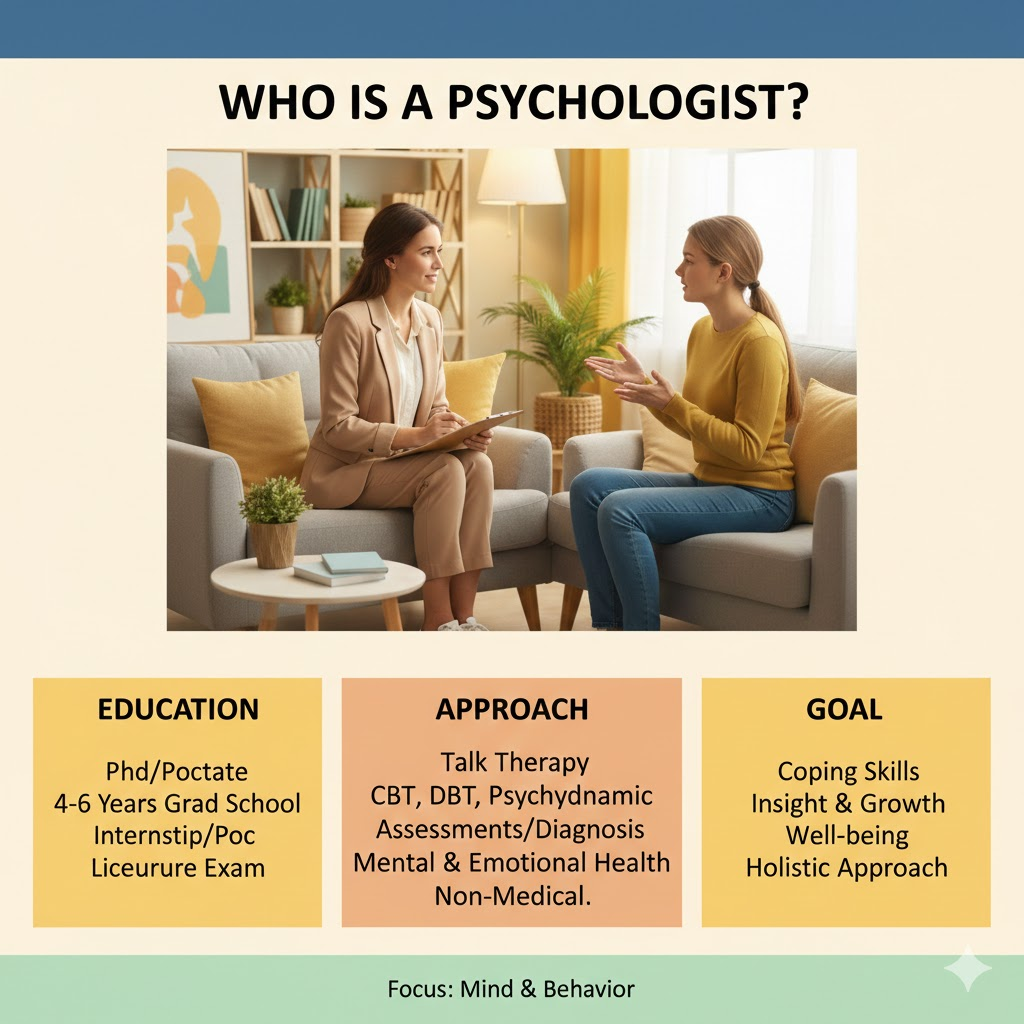
A psychologist is a mental health professional trained in the study of human behavior, emotions, thoughts, and mental processes. Unlike psychiatrists, psychologists are not medical doctors. Instead, they specialize in understanding how people think, feel, and act, and they use this knowledge to help individuals cope with life’s challenges.
Psychologists typically hold a doctoral degree such as a PhD (Doctor of Philosophy) or PsyD (Doctor of Psychology). Their training focuses heavily on research, psychological theory, and therapeutic techniques. They learn how to assess mental health conditions through observation, interviews, and standardized tests rather than medical exams.
There are many types of psychologists, each serving a unique purpose. Clinical psychologists work directly with people experiencing mental health disorders. Counseling psychologists focus on life stress, relationships, and personal growth. School psychologists help children with learning and behavioral challenges. Industrial-organizational psychologists apply psychology to workplace environments, improving productivity and employee well-being.
What unites all psychologists is their emphasis on therapy, behavior modification, and emotional insight. They help people understand why they feel a certain way and how to change patterns that no longer serve them. Think of a psychologist as a guide who helps you explore your inner world and learn healthier ways to navigate it.
What Does a Psychologist Do?
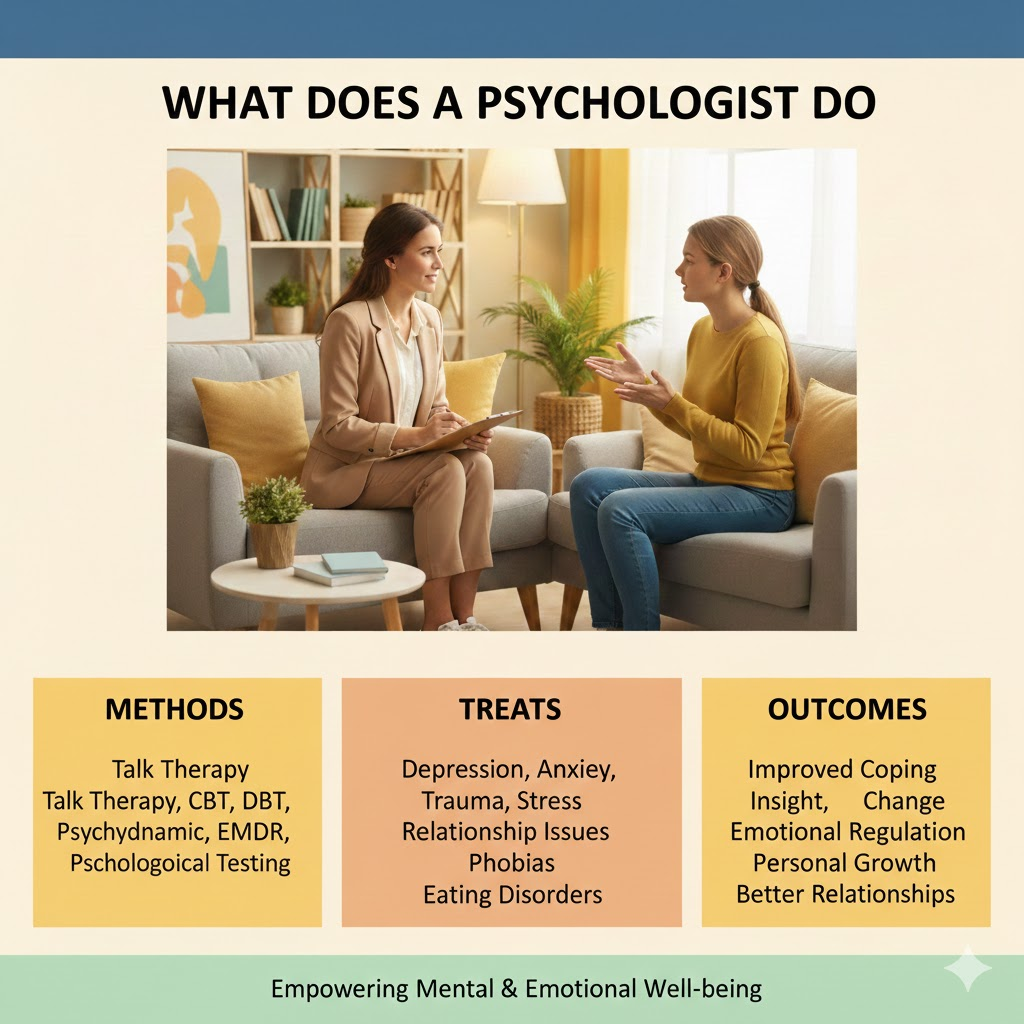
Psychologists wear many hats, but at the core of their work is therapy. They help individuals, couples, families, and groups address emotional struggles, mental health disorders, and life transitions. Their primary tool is conversation—deep, structured, and purposeful dialogue designed to uncover underlying issues.
One major responsibility of a psychologist is psychological assessment. This includes personality tests, IQ tests, behavioral evaluations, and diagnostic interviews. These assessments help identify conditions such as depression, anxiety disorders, PTSD, ADHD, and learning disabilities. Unlike medical tests, these evaluations focus on patterns of thinking and behavior.
Psychologists also specialize in various therapeutic approaches. Cognitive Behavioral Therapy (CBT) helps people recognize and change negative thought patterns. Psychodynamic therapy explores unconscious influences and past experiences. Humanistic therapy emphasizes self-growth and personal responsibility. Each method is tailored to the individual’s needs.
Beyond therapy, psychologists often engage in research, teaching, and consultation. They contribute to scientific understanding of mental health and help shape public policy, education systems, and workplace practices. In short, psychologists focus on the mind, behavior, and emotional resilience rather than medication or medical treatment.
Who Is a Psychiatrist?
A psychiatrist is a medical doctor who specializes in mental health. This distinction is critical. Psychiatrists attend medical school, earn an MD or DO degree, and complete a residency in psychiatry. Their training includes anatomy, physiology, pharmacology, and neuroscience, giving them a deep understanding of how the brain and body interact.
Because of their medical background, psychiatrists view mental health through a biological and neurological lens. They are trained to recognize how chemical imbalances, genetics, and physical health conditions influence mental well-being. This allows them to diagnose complex mental illnesses that may have both psychological and biological components.
Psychiatrists can specialize in different areas, such as child and adolescent psychiatry, addiction psychiatry, forensic psychiatry, or geriatric psychiatry. Each specialization focuses on unique populations and challenges, from childhood developmental disorders to age-related cognitive decline.
Think of a psychiatrist as the bridge between mental and physical health. They understand that depression isn’t just sadness and that anxiety isn’t just worry. These conditions can involve neurotransmitters, hormones, and brain structures—and psychiatrists are trained to address these medical aspects directly.
What Does a Psychiatrist Do?
The most defining role of a psychiatrist is diagnosing mental health disorders and prescribing medication. Because they are medical doctors, psychiatrists can order lab tests, conduct physical exams, and evaluate whether symptoms are related to underlying medical conditions.
Psychiatrists commonly treat conditions such as major depressive disorder, bipolar disorder, schizophrenia, severe anxiety disorders, and personality disorders. In many cases, medication is a critical part of treatment. Antidepressants, mood stabilizers, antipsychotics, and anti-anxiety medications can dramatically improve quality of life when used correctly.
While psychiatrists do provide therapy, their sessions are often shorter and more medically focused. Many psychiatrists primarily manage medication and collaborate with psychologists or therapists who handle ongoing counseling. This team-based approach ensures both emotional and biological factors are addressed.
Psychiatrists also monitor how medications affect patients over time. They adjust dosages, manage side effects, and ensure treatment remains effective. Their role is especially vital for individuals with severe or chronic mental illnesses that require long-term medical management.
Psychologist vs Psychiatrist: Education and Training Comparison
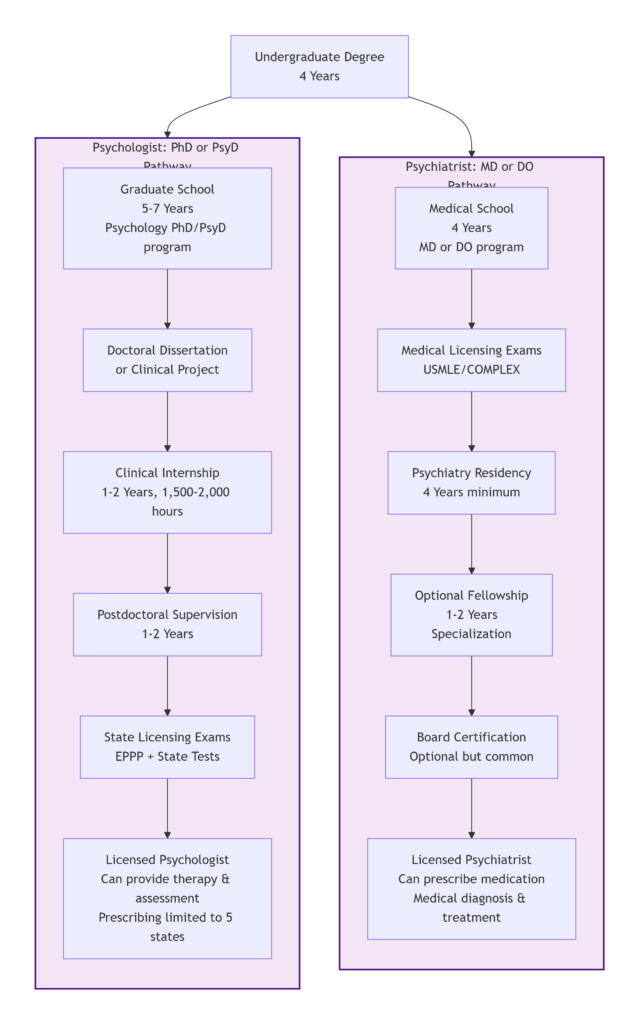
The educational paths of psychologists and psychiatrists couldn’t be more different, even though they end up working in the same field. A psychologist typically spends years studying psychology at the undergraduate and graduate levels, followed by supervised clinical training. Their education emphasizes research, therapy techniques, and behavioral science.
A psychiatrist, on the other hand, follows a medical route. After earning a bachelor’s degree, they attend medical school, complete clinical rotations, and then specialize in psychiatry during residency. Their training includes general medicine, neurology, and pharmacology before focusing on mental health.
Here’s a simple comparison:
| Aspect | Psychologist | Psychiatrist |
|---|---|---|
| Degree | PhD or PsyD | MD or DO |
| Medical Training | No | Yes |
| Prescribes Medication | No (in most regions) | Yes |
| Focus | Therapy & behavior | Medication & diagnosis |
This difference in training shapes how each professional approaches mental health care and determines what kind of treatment they can offer.
Psychologist vs Psychiatrist: Treatment Approaches
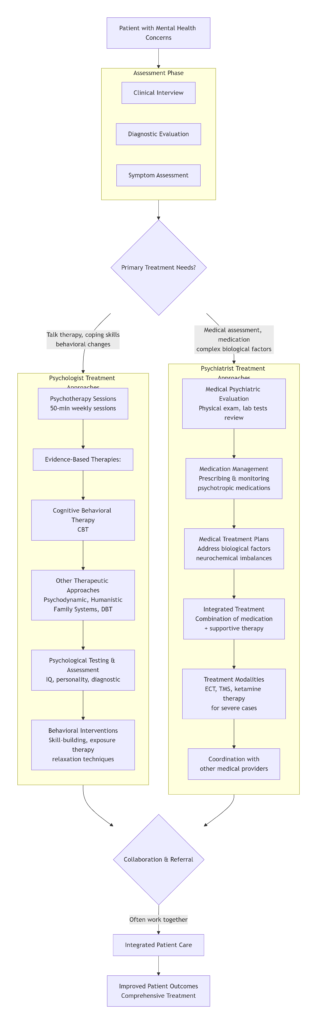
The biggest practical difference between psychologists and psychiatrists lies in how they treat patients. Psychologists focus on psychotherapy—helping people change thoughts, emotions, and behaviors through structured conversations and evidence-based techniques.
Psychiatrists emphasize medical treatment. While they may offer supportive therapy, their primary tool is medication. They address chemical imbalances and neurological factors that contribute to mental illness.
Neither approach is better or worse. They simply serve different needs. Many people benefit most from a combination of both. Therapy helps build coping skills and emotional insight, while medication stabilizes symptoms enough to make therapy effective.
In modern mental health care, collaboration is key. A psychologist might help someone process trauma, while a psychiatrist manages anxiety medication. Together, they provide holistic care that addresses both mind and body.
Conclusion
The debate of psychologist vs psychiatrist isn’t about choosing sides—it’s about choosing what’s right for you. Psychologists and psychiatrists play equally important roles in mental health care, but they approach healing from different angles.
If you’re looking to understand your emotions, change behavior patterns, or work through life challenges, a psychologist may be the perfect fit. If you’re dealing with severe symptoms, mood instability, or conditions that require medication, a psychiatrist might be essential. And in many cases, the best solution involves both.
Mental health is not a weakness. It’s part of being human. Knowing who to turn to is the first step toward healing, growth, and a better quality of life.
FAQs
1. Can a psychologist diagnose mental illness?
Yes, psychologists can diagnose mental health conditions using psychological assessments and clinical interviews.
2. Can a psychiatrist provide therapy?
Yes, but many focus more on medication management and collaborate with therapists for ongoing counseling.
3. Do I need a referral to see a psychiatrist?
This depends on your healthcare system and insurance provider.
4. Is therapy or medication better for anxiety and depression?
It varies. Many people benefit from a combination of both.
5. Can psychologists prescribe medication?
In most regions, no. However, some areas allow limited prescribing rights with additional training.
https://thewovenmind.com/wp-admin/post.php?post=25&action=edit