News

Developmental Psychology: A Human-Friendly Guide to How We Grow and Change

Developmental psychology is the study of how people grow, change, and adapt throughout their lives. From a baby’s first smile to an older adult reflecting on a lifetime of experiences, this field tries to understand what shapes us into who we are. It looks at physical growth, thinking patterns, emotions, relationships, and social behavior—not as isolated pieces, but as parts of one long, connected journey.

What makes developmental psychology so fascinating is that it applies to everyone. You don’t need to be a psychologist to see it in action. Every time a child learns to talk, a teenager questions their identity, or an adult adjusts to new responsibilities, development is happening. This field helps explain why those changes occur, what influences them, and how early experiences can quietly affect later life. It also reminds us that development doesn’t stop once we become adults—it continues until the very end.


What Is Developmental Psychology Really About?
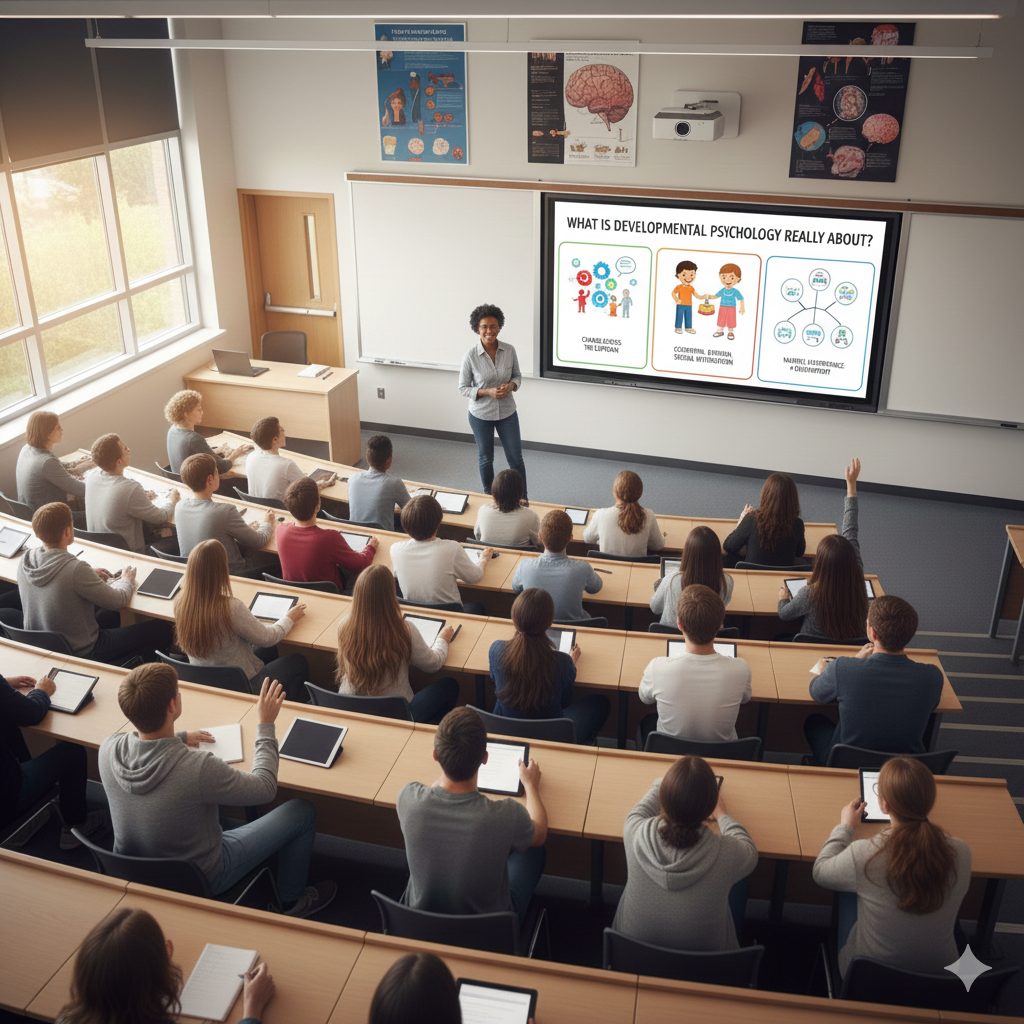
Developmental psychology focuses on patterns of change and consistency over time. It asks questions like:

  • How do thinking and learning abilities develop?
  • Why do emotions become more complex as we grow?
  • How do relationships shape personality?
  • What stays stable about us, even as other things change?

Rather than seeing life as a straight line, developmental psychologists view it more like a winding road. Some changes happen quickly, others slowly. Some are predictable, while others depend heavily on personal experiences, culture, and environment. This approach recognizes that no two people develop in exactly the same way, even if they share similar backgrounds.


A Brief Look at Where It All Began

The idea of studying human development is not new. Long before psychology became a science, philosophers debated how people gain knowledge and form character. Some believed we are born with everything we need, while others argued that experience shapes us.

The scientific study of development began much later, when researchers started observing children carefully and recording their behavior. Over time, psychologists realized that children do not think or behave like adults—they experience the world in their own unique ways. This realization changed education, parenting, and healthcare forever.

As research methods improved, developmental psychology expanded beyond childhood. Today, it examines the entire lifespan, recognizing that adulthood and aging involve just as much growth and adjustment as early life.

fe.


Key Areas of Human Development
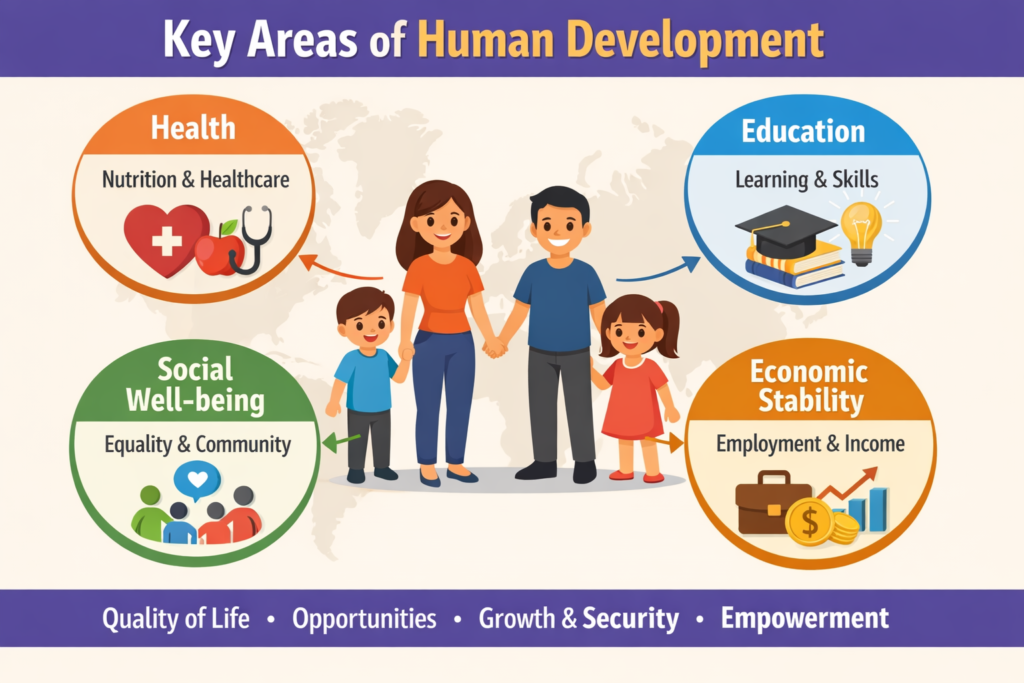
Developmental psychology usually focuses on several major areas that develop together over time. These areas are closely connected, meaning change in one often affects the others.

Physical Development

Physical development involves changes in the body and brain. This includes growth in height and weight, changes in muscle strength, brain development, and physical abilities. In early life, physical development is fast and visible—babies learn to crawl, walk, and use their hands with increasing control. During adolescence, puberty brings dramatic changes that affect not just the body, but also emotions and self-image.

In adulthood, physical development continues in different ways. Strength, energy levels, and sensory abilities may change, and aging brings its own physical challenges. Developmental psychology helps us understand these changes so people can adapt and maintain quality of life.

Cognitive Development

Cognitive development refers to how we think, learn, remember, and solve problems. It includes attention, memory, language, reasoning, and decision-making. Children’s thinking changes significantly as they grow. Young children tend to think in concrete terms, while older children and adults can handle abstract ideas.

Learning doesn’t stop after school ends. Adults continue to develop new skills, adapt to new technologies, and gain wisdom through experience. Even in older age, the brain can form new connections. Developmental psychology emphasizes that mental growth is lifelong, though it may look different at each stage.

Emotional Development

Emotional development involves understanding, expressing, and managing feelings. Infants communicate emotions through cries and smiles. As children grow, they learn to label emotions, control impulses, and understand how others feel. This process plays a huge role in mental health and relationships.

During adolescence, emotions can feel especially intense due to brain development and social pressures. In adulthood, emotional growth often involves learning balance—handling stress, building resilience, and maintaining emotional well-being. Developmental psychology helps explain why emotions change over time and how people can develop healthier emotional habits.

Social Development

Social development focuses on how we relate to others. This includes forming attachments, friendships, romantic relationships, and social identities. Early relationships with caregivers lay the groundwork for trust and security. Later, peer relationships become increasingly important, especially during childhood and adolescence.

As adults, social development continues through work relationships, family roles, and community involvement. Even later in life, social connections remain essential for mental and emotional health. Developmental psychology highlights how relationships influence development at every stage.


Development Across Different Life Stages
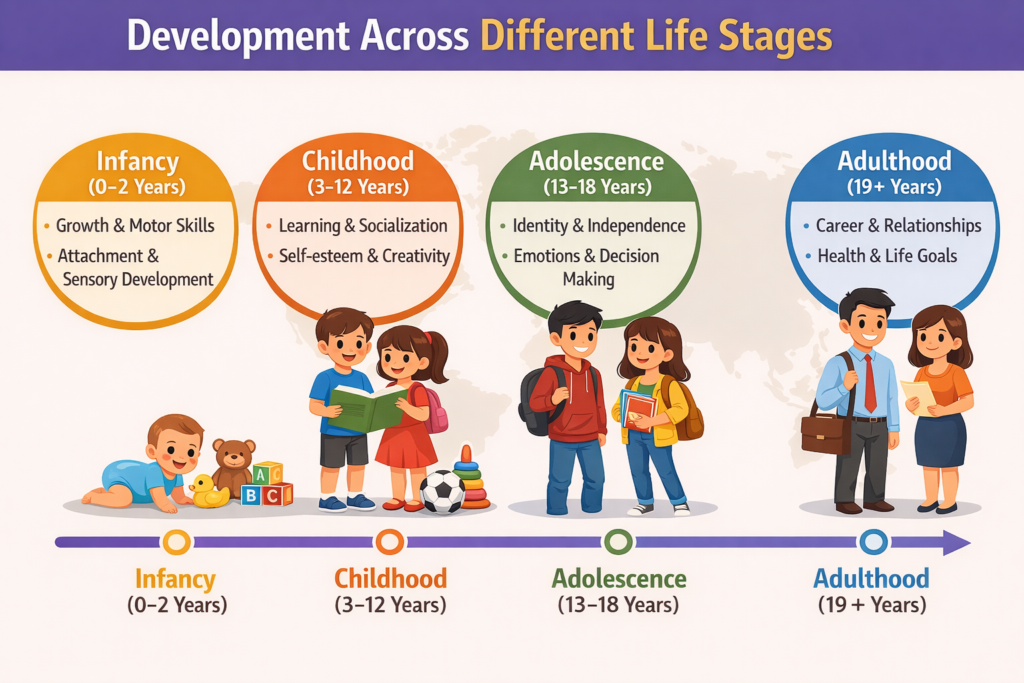
Prenatal Development

Development begins even before birth. During pregnancy, genetic factors and the prenatal environment play a major role in shaping physical and brain development. Nutrition, stress, and exposure to harmful substances can all influence outcomes. This stage shows how early development truly starts and why prenatal care is so important.

Infancy and Early Childhood

The first few years of life are a period of rapid growth. Infants learn to recognize faces, respond to voices, and form emotional bonds with caregivers. These early attachments create a sense of safety that supports later emotional and social development.

Language development also takes off during this stage. Children move from sounds to words to full sentences at an impressive pace. Play becomes a powerful tool for learning, helping children explore the world and practice social skills.

Middle Childhood

During middle childhood, children develop stronger thinking skills, better self-control, and more complex friendships. School plays a major role, influencing academic growth and self-esteem. Children begin comparing themselves to others and forming a clearer sense of competence.

This stage is important for building confidence, responsibility, and cooperation. Support from parents, teachers, and peers helps children navigate challenges and develop a positive sense of self.

Adolescence

Adolescence is often described as a bridge between childhood and adulthood. It involves physical changes from puberty, but also major shifts in thinking and identity. Teenagers begin to think more abstractly and question values, rules, and beliefs.

Social relationships become more complex, and the search for identity takes center stage. While this period can involve risk-taking and emotional ups and downs, it is also a time of creativity, growth, and self-discovery.

Adulthood

Adulthood is not a single, unchanging stage. Early adulthood often focuses on building careers, relationships, and independence. Middle adulthood may involve balancing work, family, and personal goals. Later adulthood brings reflection, adaptation, and adjustments to physical changes.

Developmental psychology shows that adults continue to grow emotionally and psychologically. Many people develop greater emotional stability, problem-solving skills, and perspective as they age.


Nature and Nurture: Working Together
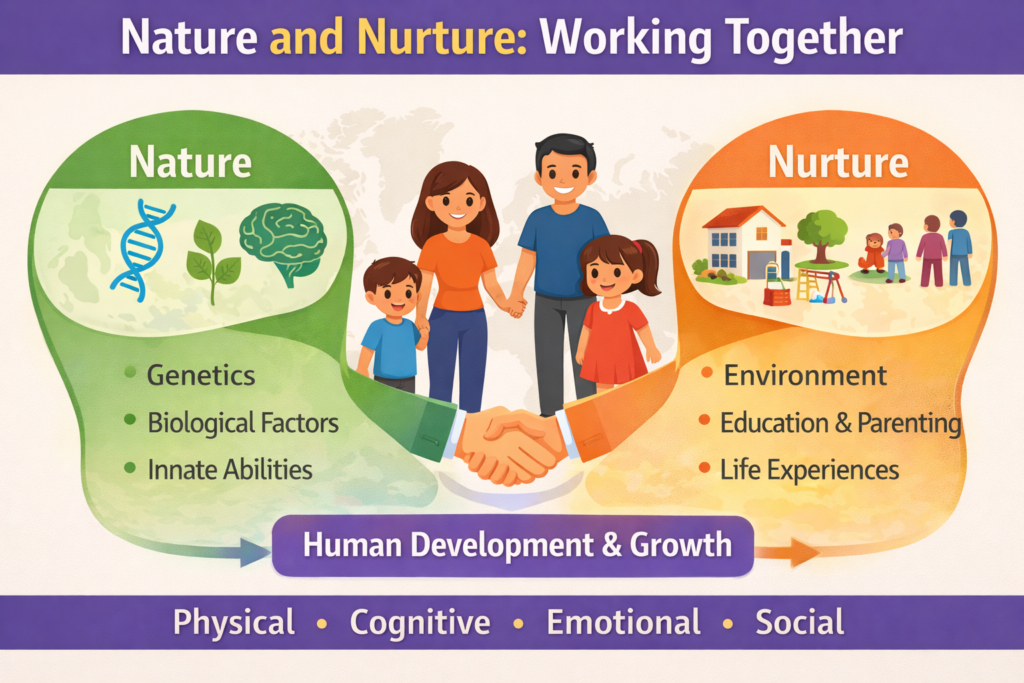
One of the most well-known debates in developmental psychology is nature versus nurture. Nature refers to genetic influences, while nurture involves environment and experience. Today, most psychologists agree that development results from the interaction between the two.

Genes provide a starting point, but experiences shape how those genetic tendencies are expressed. For example, a child may have a natural ability for music, but without exposure or practice, that ability may never fully develop. Development is best understood as a partnership between biology and environment.


Why Developmental Psychology Matters
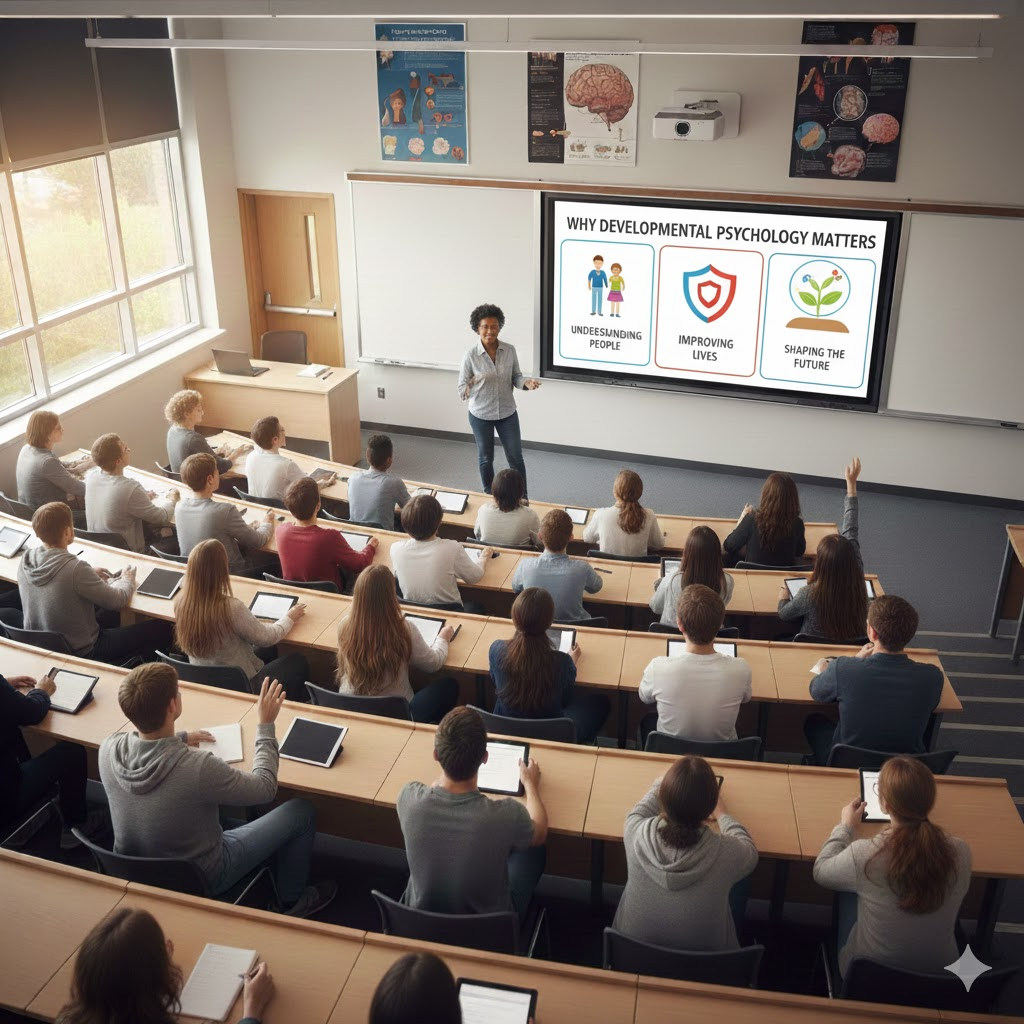
Developmental psychology has real-world importance. It helps improve education by matching teaching methods to how students learn at different ages. It guides parents in understanding children’s needs and behaviors. It supports mental health professionals in addressing emotional challenges across the lifespan.

It also informs public policy, healthcare, and social services. By understanding how people develop, societies can create environments that support healthy growth, learning, and aging.


Final Thoughts

Developmental psychology offers a powerful reminder that growth is a lifelong process. We are constantly shaped by our bodies, minds, relationships, and experiences. Understanding development helps us become more patient with ourselves and others, recognizing that change takes time and support.

Whether you are watching a child take their first steps, navigating adulthood, or reflecting later in life, developmental psychology provides insight into the shared human journey of becoming.


Frequently Asked Questions

1. Is developmental psychology only about children?
No. It studies development from before birth through old age.

2. Can adults still change and grow?
Yes. Emotional, cognitive, and social development continue throughout adulthood.

3. Why are early experiences important?
Early experiences shape brain development and influence later behavior, but they do not completely determine the future.

4. How is developmental psychology used in real life?
It is applied in education, parenting, therapy, healthcare, and social policy.

5. Does everyone develop in the same way?
No. Development varies due to genetics, culture, environment, and personal experiences.

Leave a Reply

Your email address will not be published. Required fields are marked *

Share this content

Developmental Psychology: A Human-Friendly Guide to How We Grow and Change

Developmental psychology is the study of how people grow, change, and adapt throughout their lives. From a baby’s first smile to an older adult reflecting on a lifetime of experiences, this field tries to understand what shapes us into who we are. It looks at physical growth, thinking patterns, emotions, relationships, and social behavior—not as isolated pieces, but as parts of one long, connected journey.

What makes developmental psychology so fascinating is that it applies to everyone. You don’t need to be a psychologist to see it in action. Every time a child learns to talk, a teenager questions their identity, or an adult adjusts to new responsibilities, development is happening. This field helps explain why those changes occur, what influences them, and how early experiences can quietly affect later life. It also reminds us that development doesn’t stop once we become adults—it continues until the very end.


What Is Developmental Psychology Really About?

Developmental psychology focuses on patterns of change and consistency over time. It asks questions like:

  • How do thinking and learning abilities develop?
  • Why do emotions become more complex as we grow?
  • How do relationships shape personality?
  • What stays stable about us, even as other things change?

Rather than seeing life as a straight line, developmental psychologists view it more like a winding road. Some changes happen quickly, others slowly. Some are predictable, while others depend heavily on personal experiences, culture, and environment. This approach recognizes that no two people develop in exactly the same way, even if they share similar backgrounds.


A Brief Look at Where It All Began

The idea of studying human development is not new. Long before psychology became a science, philosophers debated how people gain knowledge and form character. Some believed we are born with everything we need, while others argued that experience shapes us.

The scientific study of development began much later, when researchers started observing children carefully and recording their behavior. Over time, psychologists realized that children do not think or behave like adults—they experience the world in their own unique ways. This realization changed education, parenting, and healthcare forever.

As research methods improved, developmental psychology expanded beyond childhood. Today, it examines the entire lifespan, recognizing that adulthood and aging involve just as much growth and adjustment as early life.

fe.


Key Areas of Human Development

Developmental psychology usually focuses on several major areas that develop together over time. These areas are closely connected, meaning change in one often affects the others.

Physical Development

Physical development involves changes in the body and brain. This includes growth in height and weight, changes in muscle strength, brain development, and physical abilities. In early life, physical development is fast and visible—babies learn to crawl, walk, and use their hands with increasing control. During adolescence, puberty brings dramatic changes that affect not just the body, but also emotions and self-image.

In adulthood, physical development continues in different ways. Strength, energy levels, and sensory abilities may change, and aging brings its own physical challenges. Developmental psychology helps us understand these changes so people can adapt and maintain quality of life.

Cognitive Development

Cognitive development refers to how we think, learn, remember, and solve problems. It includes attention, memory, language, reasoning, and decision-making. Children’s thinking changes significantly as they grow. Young children tend to think in concrete terms, while older children and adults can handle abstract ideas.

Learning doesn’t stop after school ends. Adults continue to develop new skills, adapt to new technologies, and gain wisdom through experience. Even in older age, the brain can form new connections. Developmental psychology emphasizes that mental growth is lifelong, though it may look different at each stage.

Emotional Development

Emotional development involves understanding, expressing, and managing feelings. Infants communicate emotions through cries and smiles. As children grow, they learn to label emotions, control impulses, and understand how others feel. This process plays a huge role in mental health and relationships.

During adolescence, emotions can feel especially intense due to brain development and social pressures. In adulthood, emotional growth often involves learning balance—handling stress, building resilience, and maintaining emotional well-being. Developmental psychology helps explain why emotions change over time and how people can develop healthier emotional habits.

Social Development

Social development focuses on how we relate to others. This includes forming attachments, friendships, romantic relationships, and social identities. Early relationships with caregivers lay the groundwork for trust and security. Later, peer relationships become increasingly important, especially during childhood and adolescence.

As adults, social development continues through work relationships, family roles, and community involvement. Even later in life, social connections remain essential for mental and emotional health. Developmental psychology highlights how relationships influence development at every stage.


Development Across Different Life Stages

Prenatal Development

Development begins even before birth. During pregnancy, genetic factors and the prenatal environment play a major role in shaping physical and brain development. Nutrition, stress, and exposure to harmful substances can all influence outcomes. This stage shows how early development truly starts and why prenatal care is so important.

Infancy and Early Childhood

The first few years of life are a period of rapid growth. Infants learn to recognize faces, respond to voices, and form emotional bonds with caregivers. These early attachments create a sense of safety that supports later emotional and social development.

Language development also takes off during this stage. Children move from sounds to words to full sentences at an impressive pace. Play becomes a powerful tool for learning, helping children explore the world and practice social skills.

Middle Childhood

During middle childhood, children develop stronger thinking skills, better self-control, and more complex friendships. School plays a major role, influencing academic growth and self-esteem. Children begin comparing themselves to others and forming a clearer sense of competence.

This stage is important for building confidence, responsibility, and cooperation. Support from parents, teachers, and peers helps children navigate challenges and develop a positive sense of self.

Adolescence

Adolescence is often described as a bridge between childhood and adulthood. It involves physical changes from puberty, but also major shifts in thinking and identity. Teenagers begin to think more abstractly and question values, rules, and beliefs.

Social relationships become more complex, and the search for identity takes center stage. While this period can involve risk-taking and emotional ups and downs, it is also a time of creativity, growth, and self-discovery.

Adulthood

Adulthood is not a single, unchanging stage. Early adulthood often focuses on building careers, relationships, and independence. Middle adulthood may involve balancing work, family, and personal goals. Later adulthood brings reflection, adaptation, and adjustments to physical changes.

Developmental psychology shows that adults continue to grow emotionally and psychologically. Many people develop greater emotional stability, problem-solving skills, and perspective as they age.


Nature and Nurture: Working Together

One of the most well-known debates in developmental psychology is nature versus nurture. Nature refers to genetic influences, while nurture involves environment and experience. Today, most psychologists agree that development results from the interaction between the two.

Genes provide a starting point, but experiences shape how those genetic tendencies are expressed. For example, a child may have a natural ability for music, but without exposure or practice, that ability may never fully develop. Development is best understood as a partnership between biology and environment.


Why Developmental Psychology Matters

Developmental psychology has real-world importance. It helps improve education by matching teaching methods to how students learn at different ages. It guides parents in understanding children’s needs and behaviors. It supports mental health professionals in addressing emotional challenges across the lifespan.

It also informs public policy, healthcare, and social services. By understanding how people develop, societies can create environments that support healthy growth, learning, and aging.


Final Thoughts

Developmental psychology offers a powerful reminder that growth is a lifelong process. We are constantly shaped by our bodies, minds, relationships, and experiences. Understanding development helps us become more patient with ourselves and others, recognizing that change takes time and support.

Whether you are watching a child take their first steps, navigating adulthood, or reflecting later in life, developmental psychology provides insight into the shared human journey of becoming.


Frequently Asked Questions

1. Is developmental psychology only about children?
No. It studies development from before birth through old age.

2. Can adults still change and grow?
Yes. Emotional, cognitive, and social development continue throughout adulthood.

3. Why are early experiences important?
Early experiences shape brain development and influence later behavior, but they do not completely determine the future.

4. How is developmental psychology used in real life?
It is applied in education, parenting, therapy, healthcare, and social policy.

5. Does everyone develop in the same way?
No. Development varies due to genetics, culture, environment, and personal experiences.

Leave a Reply

Your email address will not be published. Required fields are marked *

Post Author

Jordan Frank

It is a long established fact that a reader will be distracted by the readable content of a page when looking at its layout.

Recent Post

Top Categories

Tags