
 By SAIMA KHAN
Personality disorders Human-Centered Exploration are often misunderstood, oversimplified, or unfairly stigmatized. When people hear the term, they might imagine extreme behaviors or dramatic portrayals from movies and TV shows. But real life is far more nuanced. At their core, personality disorders are not about being “difficult” or “toxic.” They are about deeply ingrained patterns of thinking, feeling, and behaving that make it hard for a person to function, adapt, or maintain healthy relationships. Think of personality as the lens through which we see the world. When that lens becomes rigid or distorted, it can affect every part of life—work, love, friendships, and even how someone sees themselves.
This topic matters because personality disorders are more common than many people realize, yet they are among the least talked about mental health conditions. Many individuals live for years without a diagnosis, feeling “different,” misunderstood, or constantly at odds with others. Others may receive labels that feel judgmental rather than helpful. Understanding personality disorders from a human perspective helps replace fear with empathy and confusion with clarity. It allows us to see the person behind the diagnosis, not just the symptoms.
In this article, we’ll walk through personality disorders step by step, using clear language and real-world context. We’ll explore how personality develops, what happens when that development goes off course, the different types of personality disorders, and how they affect daily life. Most importantly, we’ll talk about treatment, coping, and hope—because people with personality disorders can and do live meaningful, fulfilling lives.
What Is Personality and How Does It Develop?

Personality is the unique blend of thoughts, emotions, behaviors, and attitudes that make you who you are. It’s how you respond to stress, how you connect with others, how you make decisions, and how you interpret the world around you. Some people are naturally cautious, others impulsive. Some crave connection, others value solitude. None of these traits are “good” or “bad” on their own—they’re simply variations of being human.
Personality begins forming early in life and continues to evolve over time. Childhood experiences, family dynamics, culture, biology, and personal choices all play a role. By early adulthood, most people’s personalities become relatively stable. That stability is usually helpful—it gives us a sense of identity and consistency. But when certain traits become too extreme or inflexible, problems can arise.
Personality disorders develop when these patterns become rigid, unhealthy, and disruptive. Imagine trying to navigate life with a rulebook that never updates, even when the situation changes. That’s often what living with a personality disorder feels like. The behaviors once used to cope or survive may no longer work, but they’re hard to let go of.
Biological Influences on Personality
Biology lays the foundation for personality. Genetics influence temperament, emotional sensitivity, impulsivity, and how strongly someone reacts to stress. Some people are born with a nervous system that’s more reactive, meaning they feel emotions more intensely. Others may have a higher baseline level of anxiety or a lower tolerance for frustration. These biological traits don’t determine destiny, but they do shape how someone experiences the world.
Brain structure and chemistry also play a role. Research suggests that differences in areas of the brain responsible for emotion regulation, impulse control, and empathy may be linked to certain personality disorders. For example, difficulties in managing intense emotions are often associated with borderline personality disorder. Biology doesn’t act alone, but it can make someone more vulnerable when combined with environmental stressors.
Psychological and Emotional Factors
Psychological development, especially in childhood, has a huge impact on personality. Early relationships with caregivers teach us what to expect from others and how to see ourselves. Consistent care, emotional validation, and healthy boundaries help build resilience and self-esteem. On the other hand, neglect, inconsistency, criticism, or emotional invalidation can leave lasting marks.
When a child learns that emotions are ignored or punished, they may struggle to identify or regulate feelings later in life. If they grow up in an environment where trust is broken repeatedly, they may become suspicious or withdrawn. These adaptations make sense in context, but over time they can harden into patterns that interfere with adult life.
Social and Environmental Shaping
Culture, community, and social experiences further shape personality. Social norms influence what behaviors are rewarded or discouraged. Peer relationships, school experiences, and societal expectations all contribute to how someone sees themselves. Chronic stress, discrimination, or social isolation can intensify vulnerabilities, increasing the risk of developing unhealthy personality patterns.
What Are Personality Disorders?
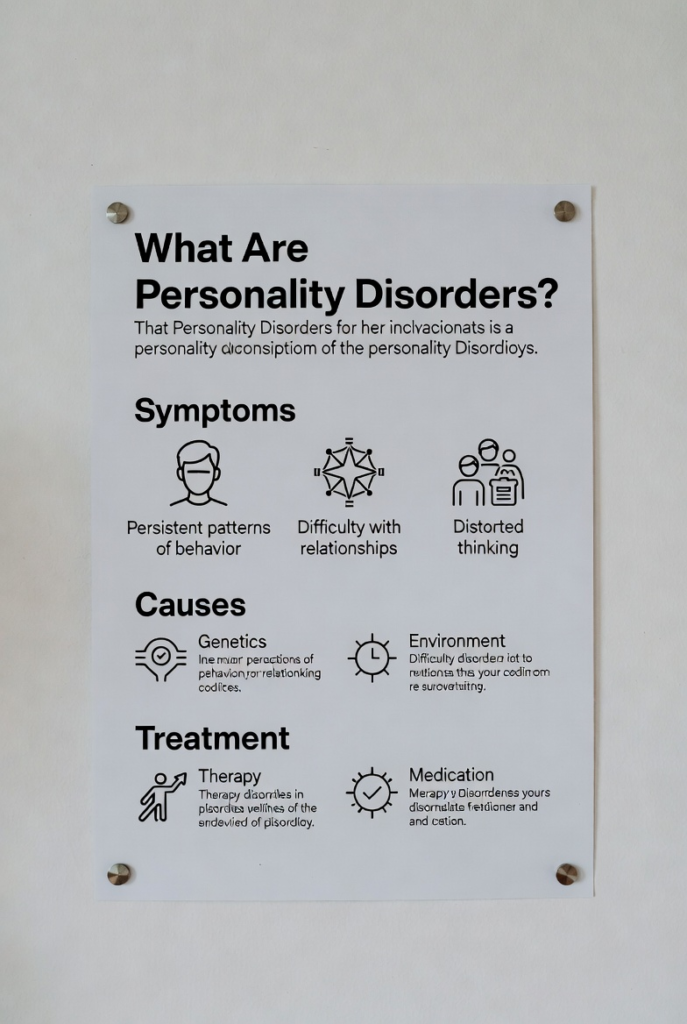
Personality disorders are long-term patterns of inner experience and behavior that differ significantly from cultural expectations. These patterns are inflexible, pervasive, and lead to distress or impairment. In simple terms, they affect how a person thinks about themselves and others, how they feel emotionally, how they relate, and how they control impulses.
Unlike temporary mental health issues, personality disorders are deeply rooted. They usually begin in adolescence or early adulthood and continue over time. This doesn’t mean they’re untreatable, but it does mean change often takes time and effort. The key difference is that personality disorders shape the very framework of how someone experiences life.
Key Characteristics of Personality Disorders
Some common features appear across many personality disorders:
- Persistent patterns of behavior that don’t adapt well to different situations
- Difficulty maintaining healthy relationships
- Emotional instability or emotional detachment
- Distorted self-image or sense of identity
- Trouble managing impulses or reactions
These traits aren’t occasional—they show up consistently across many areas of life.
How Personality Disorders Differ From Other Mental Health Conditions
Personality disorders are not the same as mood disorders like depression or anxiety disorders. While those conditions often come and go in episodes, personality disorders are more constant. They influence how symptoms are experienced and how a person responds to treatment. That’s why therapy for personality disorders often focuses on long-term skill-building and self-awareness rather than quick symptom relief.
Classification of Personality Disorders
Mental health professionals group personality disorders into three clusters based on similar characteristics. This system helps with diagnosis and treatment planning, though each individual’s experience is unique.
Cluster A Personality Disorders
Cluster A disorders are often described as “odd” or “eccentric.” People in this cluster may appear socially detached or suspicious of others.
Paranoid Personality Disorder
Paranoid personality disorder involves a pervasive distrust of others. Individuals often assume that people have hidden motives or intend to harm them, even without evidence. Everyday interactions may feel threatening, making it hard to relax or feel safe.
This constant vigilance can be exhausting. Relationships suffer because trust is minimal, and even well-meaning feedback may be interpreted as criticism or betrayal. While caution can sometimes be protective, in this case it becomes a barrier to connection and peace of mind.
Schizoid Personality Disorder
People with schizoid personality disorder tend to be emotionally detached and prefer solitude. They may seem indifferent to praise, criticism, or social relationships. This isn’t necessarily due to anxiety or fear—it’s more about a lack of interest in social connection.
Internally, emotions may feel muted or distant. While some individuals are content with minimal interaction, this detachment can limit opportunities for support and fulfillment, especially in a socially driven world.
Schizotypal Personality Disorder
Schizotypal personality disorder includes discomfort with close relationships, eccentric behavior, and unusual beliefs or perceptions. People may have odd speech patterns, magical thinking, or suspiciousness. Social interactions often feel confusing or overwhelming.
These traits can make daily functioning challenging, especially in work or group settings. With support and therapy, individuals can learn to manage symptoms and improve social comfort.
Cluster B Personality Disorders
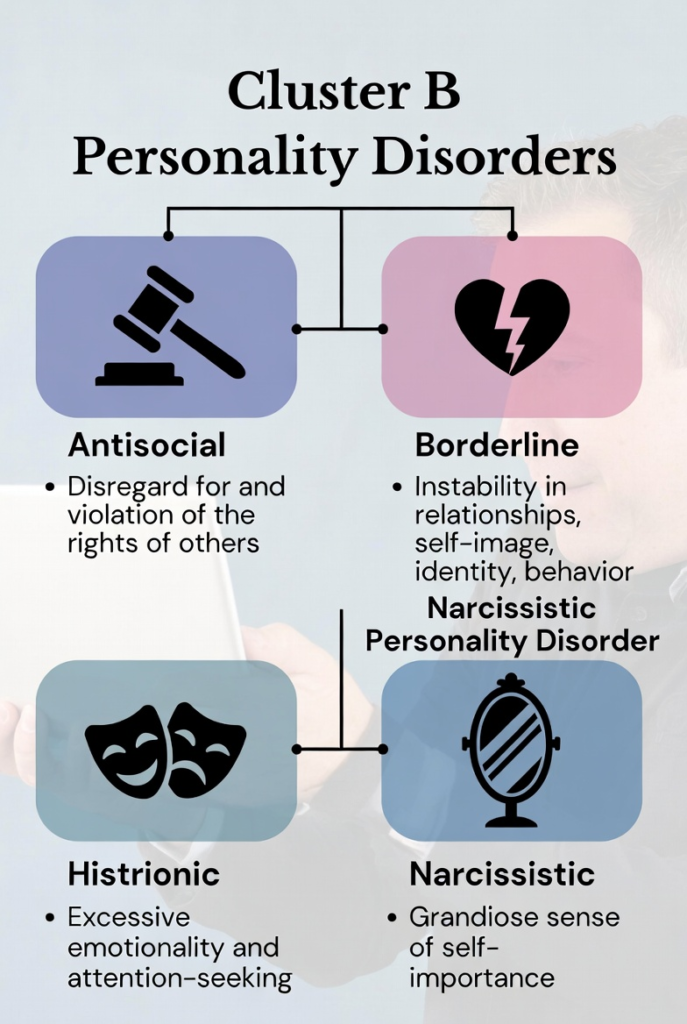
Cluster B disorders are often described as “dramatic,” “emotional,” or “erratic.” Emotions and relationships tend to be intense and unstable.
Antisocial Personality Disorder
Antisocial personality disorder involves a disregard for the rights of others, along with impulsivity and lack of remorse. Individuals may engage in deceitful or risky behavior without considering consequences.
It’s important to note that not everyone with this disorder is violent or criminal. However, difficulties with empathy and responsibility can strain relationships and lead to legal or social problems.
Borderline Personality Disorder
Borderline personality disorder is marked by intense emotional swings, fear of abandonment, unstable relationships, and a fragile sense of self. Emotions can feel overwhelming, like a volume knob stuck on high.
People with this disorder often experience deep pain and fear of being alone. With the right therapy, especially approaches like dialectical behavior therapy, many individuals see significant improvement.
Histrionic Personality Disorder
Histrionic personality disorder involves a strong need for attention and approval. Emotions may appear exaggerated, and self-esteem often depends on external validation.
While these individuals may seem outgoing or charming, relationships can feel shallow or unstable over time. Learning healthier ways to build self-worth is key to recovery.
Narcissistic Personality Disorder
Narcissistic personality disorder includes grandiosity, need for admiration, and lack of empathy. Beneath the surface, self-esteem is often fragile and highly sensitive to criticism.
This disorder can deeply affect relationships, but with insight-oriented therapy, individuals can develop greater empathy and emotional balance.
Cluster C Personality Disorders
Cluster C disorders are characterized by anxiety and fearfulness.
Avoidant Personality Disorder
Avoidant personality disorder involves intense fear of rejection and criticism. People want connection but avoid it due to deep insecurity.
This constant push-pull can lead to loneliness and missed opportunities. Therapy focuses on building confidence and challenging negative self-beliefs.
Dependent Personality Disorder
Dependent personality disorder is marked by excessive reliance on others for decision-making and reassurance. Fear of being alone drives submissive behavior.
Developing independence and self-trust is a major goal of treatment.
Obsessive-Compulsive Personality Disorder
Obsessive-compulsive personality disorder involves perfectionism, control, and rigidity. Unlike OCD, this disorder focuses on order and rules rather than intrusive thoughts.
While these traits may seem productive, they often lead to stress, burnout, and relationship conflicts.
Common Causes and Risk Factors
Personality disorders rarely have a single cause. They usually develop from a mix of genetic vulnerability and life experiences.
Genetics and Family History
A family history of personality disorders or other mental health conditions increases risk. Genetics influence emotional sensitivity and impulse control.
Childhood Trauma and Adverse Experiences
Abuse, neglect, inconsistent caregiving, or chronic invalidation during childhood are strongly linked to personality disorders. These experiences shape how a person learns to cope and relate.
Cultural and Societal Influences
Social stressors, cultural expectations, and systemic inequality can intensify vulnerabilities, especially when support is lacking.
Signs and Symptoms to Watch For
Common signs include:
- Chronic relationship problems
- Extreme reactions to stress
- Rigid thinking patterns
- Persistent feelings of emptiness or anger
Early recognition can lead to earlier support and better outcomes.
How Personality Disorders Are Diagnosed
Diagnosis involves clinical interviews, psychological assessments, and careful evaluation over time. There’s no single test. Mental health professionals look for long-standing patterns rather than isolated behaviors.
Impact of Personality Disorders on Daily Life

Relationships and Social Interactions
Relationships are often the most affected area. Misunderstandings, fear of rejection, or lack of trust can create cycles of conflict or withdrawal.
Work, Career, and Productivity
Workplace challenges may include difficulty with authority, teamwork, or stress management. With accommodations and support, many people succeed professionally.
Emotional Well-being and Self-Identity
Living with a personality disorder can feel like being at war with yourself. Therapy helps build a more stable and compassionate self-image.
Treatment Options for Personality Disorders
Psychotherapy Approaches
Therapy is the cornerstone of treatment. Long-term approaches focus on awareness, emotional regulation, and healthier relationships.
Medication Management
Medication may help with related symptoms like anxiety or depression but doesn’t “cure” personality disorders.
Lifestyle Changes and Self-Help Strategies
Mindfulness, routine, journaling, and support groups can reinforce progress made in therapy.
Living With a Personality Disorder
Coping Strategies for Individuals
Self-awareness, patience, and consistent support are key. Change is possible, even if it’s gradual.
Support for Families and Loved Ones
Education and boundaries help loved ones support without burning out.
Breaking the Stigma Around Personality Disorders
Stigma prevents people from seeking help. Personality disorders are not moral failings—they are mental health conditions shaped by biology and experience.
Future Directions in Research and Treatment
Ongoing research is improving therapies and challenging outdated stereotypes. The future is more hopeful than ever.
Conclusion
Personality disorders are complex, deeply human conditions that affect how people experience the world and relate to others. With understanding, proper treatment, and compassion, individuals can build healthier lives and relationships. Awareness is the first step toward change—for individuals, families, and society as a whole.
FAQs
1. Can personality disorders be cured?
They are not typically “cured,” but symptoms can significantly improve with therapy.
2. Are personality disorders lifelong?
Traits are long-term, but many people experience meaningful change over time.
3. Can someone have more than one personality disorder?
Yes, overlapping traits are common.
4. Is medication effective for personality disorders?
Medication can help manage related symptoms but is not a standalone treatment.
5. How can I support someone with a personality disorder?
Educate yourself, set healthy boundaries, and encourage professional help.