
 By SAIMA KHAN
Introduction to Dark Psychology

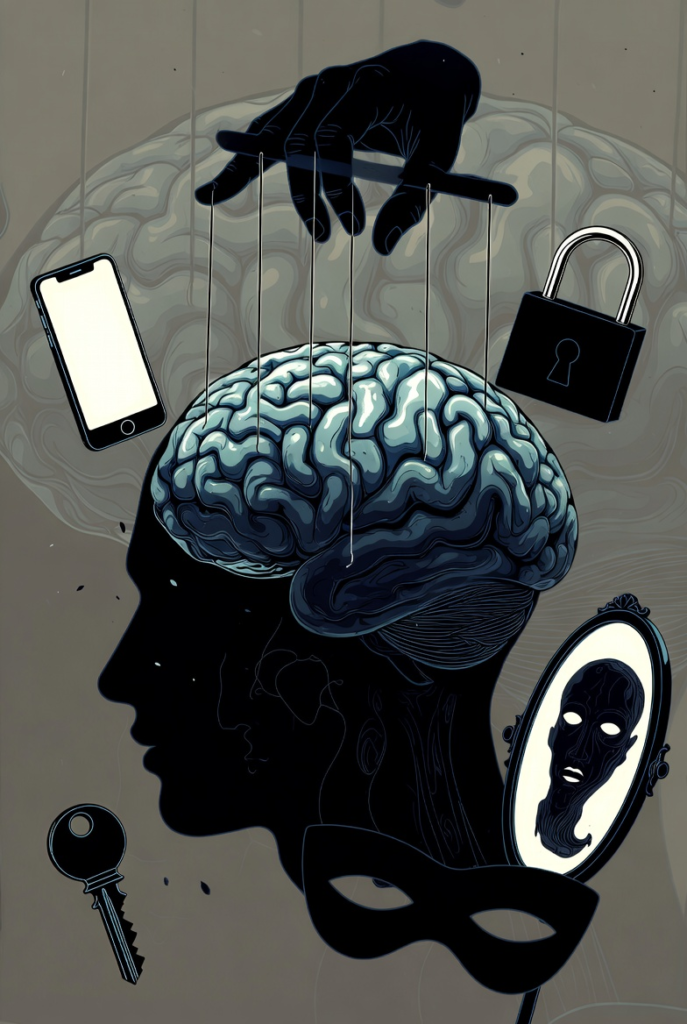
Ever felt manipulated but couldn’t quite explain how? Like someone pulled invisible strings and you danced without realizing it? That’s where dark psychology enters the picture. It’s the shadowy corner of human behavior that most people sense—but rarely understand.
What Is Dark Psychology?
Dark psychology refers to the study and application of psychological principles used to manipulate, influence, or control others—often without their awareness. Unlike traditional psychology, which focuses on healing and growth, dark psychology digs into persuasion, deception, and emotional exploitation.
Why Is Dark Psychology So Fascinating?
Because it’s real. It happens in relationships, offices, advertisements, politics—everywhere. Understanding it feels like gaining night vision in a dark forest. Suddenly, you see what was always there.
The Origins of Dark Psychology

Historical Roots in Psychology
Dark psychology isn’t new. Long before the term existed, humans were already using psychological tactics to control others.
Influence of Early Psychological Theories
Think of Freud’s ideas about the unconscious mind or Pavlov’s conditioning experiments. These laid the groundwork for understanding how behavior can be shaped—sometimes unethically.
Modern Interpretation of Dark Psychology
Today, dark psychology combines behavioral science, cognitive psychology, and social influence. It’s less about textbooks and more about real-world application.
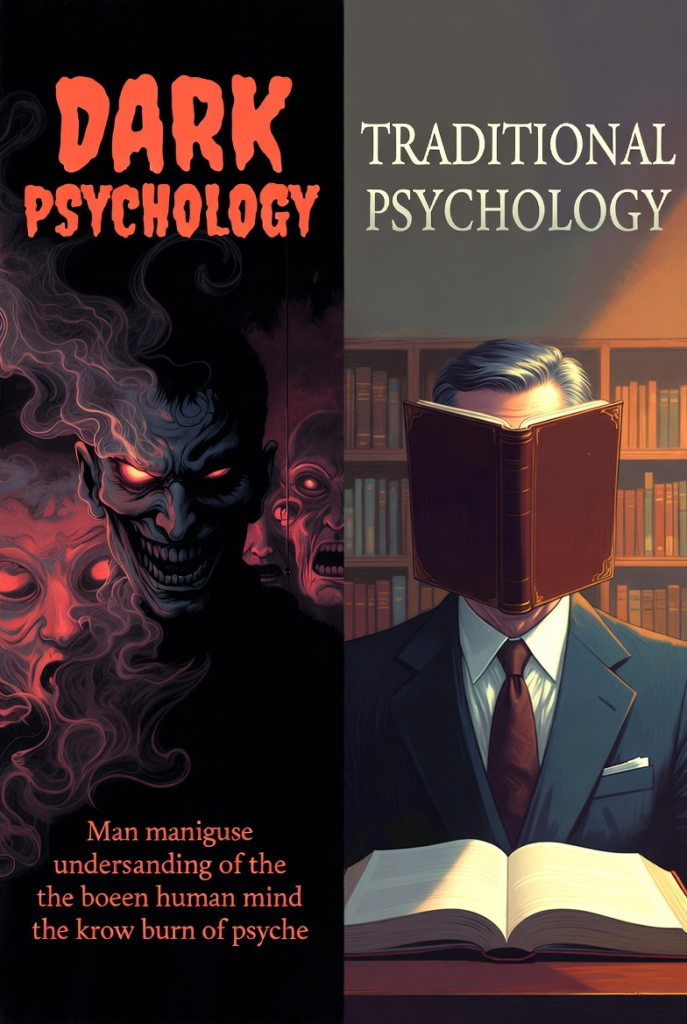
Dark Psychology vs. Traditional Psychology
Key Differences
Traditional psychology aims to help people heal. Dark psychology? It aims to influence outcomes—often for personal gain. One builds bridges; the other knows how to burn them.
Ethical Boundaries and Concerns
This is where things get tricky. Knowledge itself isn’t evil, but how it’s used can cross serious ethical lines.
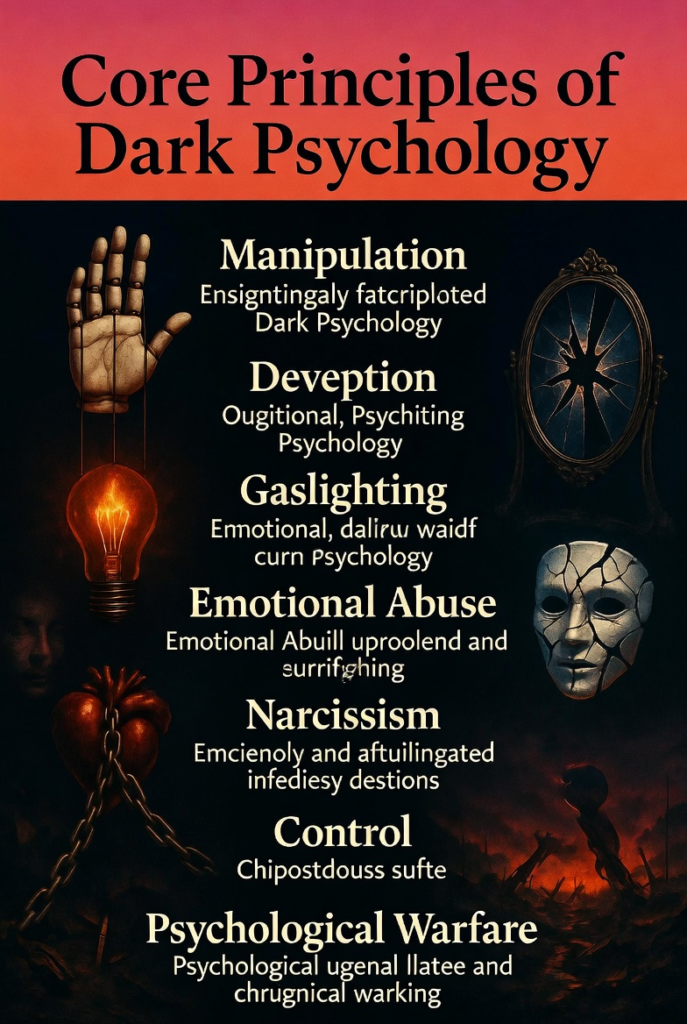
Core Principles of Dark Psychology
Manipulation
Manipulation is steering someone’s choices without them realizing it. Like a chess player moving pieces while the opponent thinks they’re in control.
Persuasion
Persuasion becomes dark when it bypasses logic and targets emotions, fears, or insecurities.
Emotional Control
Controlling how someone feels—fearful, guilty, dependent—is a powerful dark psychology tool.
Deception and Influence
Half-truths, lies, and strategic silence often work better than outright falsehoods.
The Dark Triad Traits
Narcissism
Excessive self-love, lack of empathy, and constant need for admiration. Narcissists drain energy like emotional vampires.
Machiavellianism
Cold, calculated, and strategic. These individuals see people as tools, not humans.
Psychopathy
Low empathy, high impulsivity, and emotional detachment. Not all psychopaths are criminals—but all are dangerous manipulators.
Common Dark Psychology Techniques
Gaslighting
Making someone doubt their reality. “That never happened.” “You’re overreacting.” Sound familiar?
Love Bombing
Overwhelming affection used to create dependency—then withdrawn to gain control.
Fear Conditioning
Using fear repeatedly until compliance becomes automatic.
Guilt Tripping
Weaponizing guilt to control behavior. Silent treatment is a classic example.
Dark Psychology in Everyday Life
In Relationships
Toxic partners often use manipulation disguised as love.
In the Workplace
Power plays, favoritism, and subtle intimidation are common tools.
In Marketing and Media
Ever bought something you didn’t need because of urgency or fear of missing out? That’s dark psychology at work.
Dark Psychology and Body Language
Reading Microexpressions
Brief facial expressions reveal hidden emotions—if you know how to read them.
Non-Verbal Manipulation Signals
Invading personal space, mirroring behavior, or withholding eye contact can subtly dominate interactions.
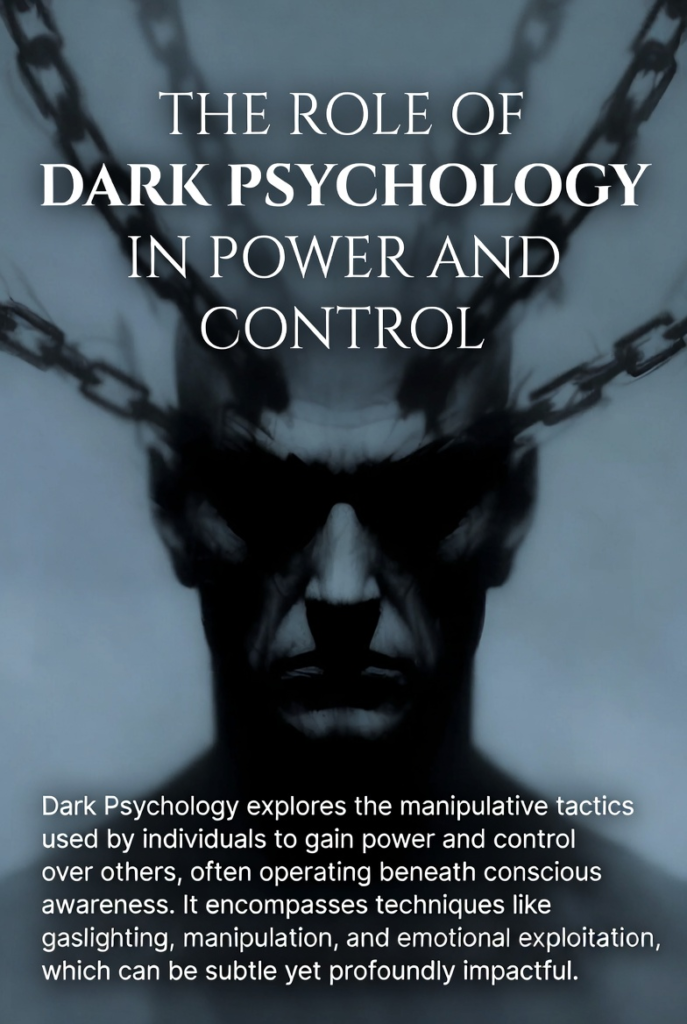
The Role of Dark Psychology in Power and Control
Political and Social Influence
Propaganda, fear-based messaging, and emotional narratives shape public opinion.
Cult Behavior and Mass Control
Isolation, repetition, and emotional dependency are classic dark psychology strategies.
Is Dark Psychology Always Bad?
Defensive Uses
Knowing dark psychology helps you spot manipulation before it traps you.
Self-Awareness and Protection
It’s like learning martial arts—not to fight, but to defend yourself.
How to Protect Yourself from Dark Psychology
Recognizing Red Flags
Trust your gut. Confusion, constant self-doubt, and emotional exhaustion are warning signs.
Building Emotional Intelligence
The more you understand your emotions, the harder you are to control.
Setting Healthy Boundaries
Boundaries are psychological armor. Use them.
Ethical Considerations of Dark Psychology
Moral Responsibility
Just because you can influence doesn’t mean you should.
Legal and Social Consequences
Manipulation can destroy relationships, careers, and lives.
Learning Dark Psychology Responsibly
Education vs. Exploitation
Knowledge should empower—not exploit.
When Knowledge Becomes Power
Power without ethics is dangerous. Power with awareness is protection.
Myths and Misconceptions About Dark Psychology
Media Exaggeration
Not all dark psychology users are villains in suits.
Reality vs. Fiction
Most manipulation is subtle, quiet, and everyday.
The Future of Dark Psychology
Technology and Psychological Influence
Algorithms already shape behavior more than we realize.
AI, Data, and Behavioral Control
The next battlefield of influence will be digital—and psychological.
Extended Guide: Applying Awareness of Dark Psychology in Real Life
So you’ve read about dark psychology—but what now? Knowledge without application is like owning a map and never leaving home. Let’s take this a step further and explore how awareness of dark psychology actually plays out in daily life.
Real-Life Case Studies of Dark Psychology
Case Study 1: The Controlling Partner
Imagine a partner who constantly says, “I only do this because I love you.” At first, it sounds caring. Over time, it turns into control—who you talk to, where you go, how you think. This is emotional manipulation wrapped in affection. The tactic? Gaslighting mixed with guilt-tripping.
Lesson: Love never requires you to lose yourself.
Case Study 2: The Toxic Boss
A manager praises you publicly but criticizes you privately, creating confusion and dependency. Promotions feel just out of reach, and you’re always trying harder. This is intermittent reinforcement, a powerful dark psychology method.
Lesson: Consistent confusion is not motivation—it’s manipulation.
Case Study 3: Marketing That Plays with Fear
“Only 2 left!”
“Offer expires in 10 minutes!”
These messages create artificial urgency and fear of missing out (FOMO). That emotional spike overrides rational thinking.
Lesson: If pressure replaces information, pause before deciding.
Dark Psychology and Social Media
Social media is a playground for psychological influence.
Validation Loops
Likes, comments, and shares trigger dopamine—the brain’s reward chemical. Over time, this creates dependency.
Comparison Traps
Seeing curated perfection makes people feel inadequate, easier to influence, and more likely to seek validation externally.
Pro Tip: Limit emotional investment in digital approval. Your worth isn’t an algorithm.
Dark Psychology in Friendships
Manipulation isn’t limited to romance or work.
- Friends who always play the victim
- People who make jokes that subtly insult you
- Those who disappear when you set boundaries
These behaviors often signal covert control tactics.
Healthy friendships feel safe, not confusing.
Psychological Weak Points Manipulators Exploit
Dark psychology works best when it targets vulnerabilities.
Fear of Rejection
Low Self-Esteem
Need for Approval
Unresolved Trauma
The more aware you are of your weak spots, the harder it is for someone to use them against you.
How to Build Mental Immunity
Think of this as strengthening your psychological immune system.
Practice Self-Reflection
Ask yourself:
- Why did that comment bother me?
- Am I reacting emotionally or rationally?
Slow Down Decisions
Manipulation thrives on speed. Confidence grows in calm.
Say “No” Without Explaining
You don’t owe everyone a justification. “No” is a complete sentence.
Dark Psychology Vocabulary (Simple Glossary)
- Gaslighting: Making someone doubt their reality
- Projection: Accusing others of your own behavior
- Mirroring: Copying behavior to build false trust
- Triangulation: Bringing a third party to create jealousy or insecurity
- Intermittent Reinforcement: Rewarding inconsistently to increase dependency
Knowing the language helps you spot the pattern.
Can Dark Psychology Be Used for Good?
Here’s the honest truth:
The same tools used to manipulate can also protect, educate, and empower—when used ethically.
- Therapists use influence to guide healing
- Teachers use persuasion to inspire growth
- Leaders use psychology to motivate positive change
Intent is everything.
Final Thoughts: Awareness Is Power
Dark psychology loses its grip the moment you recognize it. Manipulation feeds on ignorance and silence. Awareness turns the lights on—and suddenly, the shadows shrink.
You don’t need to master dark psychology to control others.
You need to understand it so no one controls you.
That’s real power.
Conclusion
Dark psychology is like fire. In the wrong hands, it burns everything. In the right hands, it provides light and protection. Understanding it doesn’t make you dangerous—it makes you aware. And awareness? That’s the strongest defense of all.
Frequently Asked Questions (FAQs)
1. Is dark psychology illegal?
No, but unethical use can lead to legal consequences.
2. Can anyone learn dark psychology?
Yes, but responsibility matters more than skill.
3. Is dark psychology used in marketing?
Absolutely—urgency, fear, and scarcity are common tactics.
4. How can I tell if someone is manipulating me?
If you feel confused, guilty, or powerless often, pay attention.
5. Should dark psychology be taught?
Yes—but with strong ethical guidance.