News

Autism: A Complete, In-Depth Guide to Understanding the Spectrum


Introduction to Autism

Autism is one of those words almost everyone has heard, yet surprisingly few people truly understand. You might hear it mentioned in schools, on social media, or in conversations about child development, but autism is far more complex—and far more human—than most headlines suggest. At its core, autism is not a tragedy, a flaw, or something to fear. It is a different way of experiencing the world. And in today’s fast-moving, highly connected society, understanding autism has never been more important.

Autism affects millions of people globally, cutting across cultures, languages, and socioeconomic backgrounds. It shows up early in life, but it doesn’t disappear with age. Instead, it becomes part of a person’s lifelong identity. For some, autism comes with challenges in communication or sensory processing. For others, it brings extraordinary focus, creativity, or problem-solving abilities. Often, it’s a mix of both. That’s why awareness alone isn’t enough anymore—we need understanding, acceptance, and meaningful support.

Why does autism awareness matter so much today? Because the world wasn’t designed with autistic minds in mind. Schools, workplaces, and social systems often expect everyone to think, communicate, and behave the same way. When someone doesn’t fit that mold, misunderstandings happen. By learning what autism really is—and what it isn’t—we take the first step toward creating a society where autistic individuals don’t just survive, but thrive. Think of it like learning a new language. Once you understand it, everything becomes clearer, more compassionate, and far more inclusive.


What Is Autism Spectrum Disorder (ASD)?
Defining Autism in Simple Terms

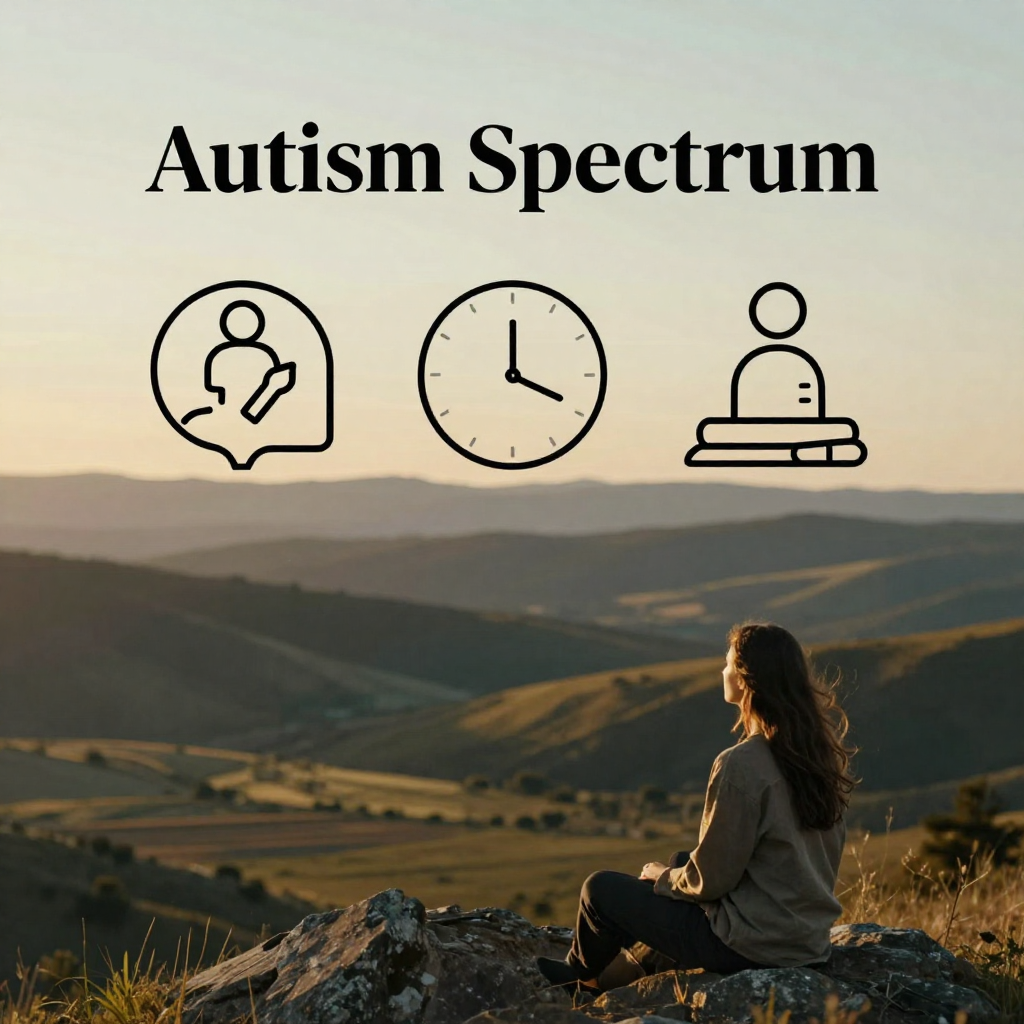
Autism Spectrum Disorder, commonly referred to as ASD, is a neurodevelopmental condition that affects how a person thinks, communicates, interacts with others, and experiences the world around them. In simple terms, autism means the brain processes information differently. It’s not an illness and not something that needs to be “fixed.” It’s a natural variation in human neurology, much like being left-handed in a right-handed world.

People with autism may communicate in unique ways. Some speak fluently, others use few or no words, and some rely on alternative forms of communication such as gestures, sign language, or communication devices. Social interaction can feel confusing or exhausting, especially when it involves unspoken rules like body language or sarcasm. Sensory experiences—like bright lights, loud noises, or certain textures—can feel overwhelming or, in some cases, deeply comforting.

What’s important to understand is that autism does not define intelligence, personality, or worth. Autistic individuals can be artists, engineers, teachers, parents, and leaders. Autism describes how someone experiences the world, not what they can achieve within it.

Why It’s Called a “Spectrum”

The word “spectrum” is key to understanding autism. There is no single “autistic experience.” Instead, autism exists on a broad continuum, ranging from individuals who need minimal support in daily life to those who require significant, ongoing assistance. Imagine a color spectrum rather than a straight line. Each person has a unique combination of strengths, challenges, preferences, and needs.

Some autistic individuals may excel academically but struggle socially. Others may have strong social interest but face challenges with communication or sensory regulation. The spectrum also changes over time. A child who needs intensive support early in life may become more independent as an adult, especially with the right interventions and understanding.

The Wide Range of Abilities and Challenges

Autism can affect areas such as:

  • Communication and language
  • Social interaction
  • Sensory processing
  • Emotional regulation
  • Executive functioning (planning, organization, flexibility)

At the same time, many autistic people demonstrate exceptional abilities, including:

  • Strong attention to detail
  • Deep focus on interests
  • Logical and analytical thinking
  • Creative problem-solving
  • Honest and direct communication

Understanding this balance is crucial. Autism is not just about challenges; it’s about difference. And difference, when supported and respected, can be incredibly powerful.


The History and Evolution of Autism Understanding
Early Misconceptions

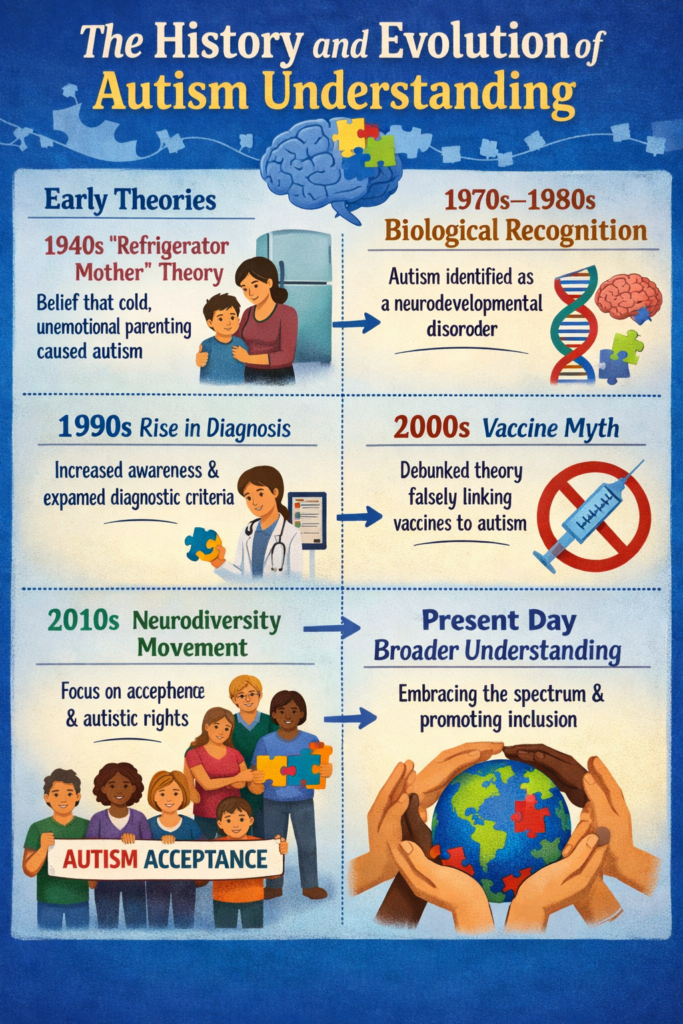
The history of autism is, unfortunately, filled with misunderstanding and stigma. When autism was first described in the early 20th century, it was often confused with mental illness or poor parenting. One of the most damaging theories suggested that autism was caused by “cold” or emotionally distant parents—a claim that has been thoroughly debunked but left lasting emotional scars on families.

For decades, autistic individuals were misunderstood, institutionalized, or excluded from mainstream education and society. Their voices were rarely heard, and decisions about their lives were made without their input. Autism was framed almost entirely as a problem to be solved rather than a human experience to be understood.

Modern Scientific Perspectives

Today, our understanding of autism has evolved dramatically. Advances in neuroscience, psychology, and genetics have shown that autism is a biologically based condition with strong genetic roots. Modern perspectives emphasize neurodiversity—the idea that neurological differences are a natural and valuable part of human diversity.

Instead of asking, “How do we make autistic people normal?” the question has shifted to, “How do we support autistic people to live fulfilling lives?” This shift has led to better diagnostic tools, more inclusive education models, and a growing movement led by autistic self-advocates.

The evolution of autism understanding reminds us of an important truth: when society changes its perspective, lives change too.


Causes of Autism: What Science Really Says
Genetic Factors

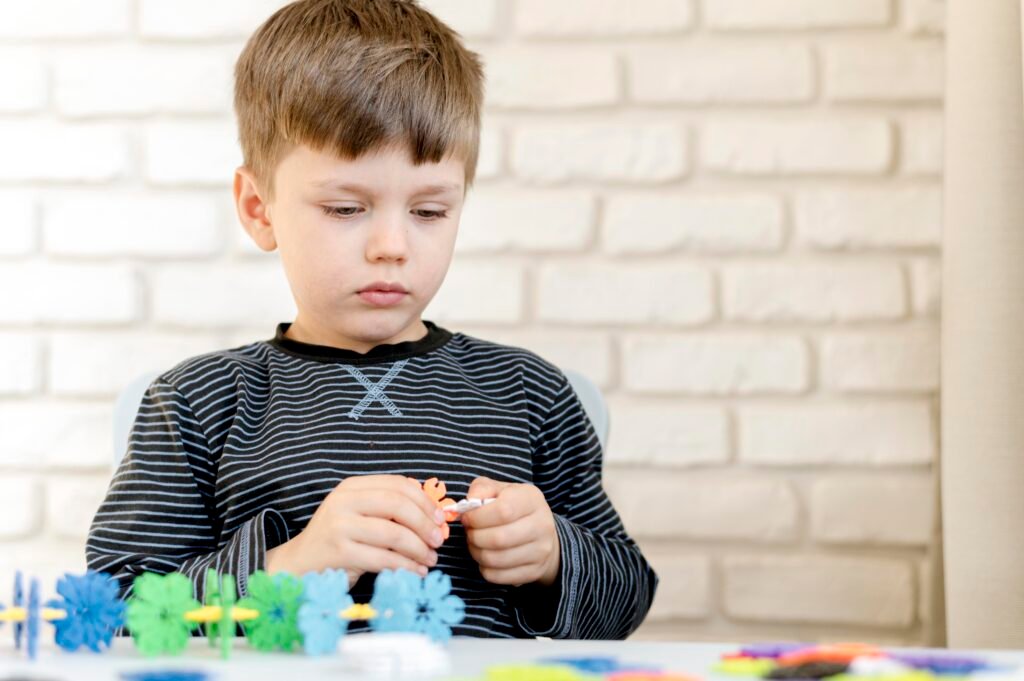
One of the strongest findings in autism research is the role of genetics. Autism tends to run in families, and studies show that multiple genes contribute to its development. It’s not caused by a single “autism gene,” but rather a complex interaction of many genetic variations that influence brain development.

If one identical twin is autistic, the likelihood that the other twin is also autistic is significantly higher than in the general population. This doesn’t mean autism is inherited in a simple way, but it does highlight the strong biological foundation behind it.

Environmental Influences

While genetics play a major role, environmental factors may also influence how autism develops. These factors can include:

  • Prenatal conditions
  • Complications during birth
  • Advanced parental age
  • Certain prenatal exposures

It’s important to clarify that these factors do not “cause” autism on their own. Instead, they may interact with genetic predispositions in complex ways that researchers are still working to understand.

Debunking Common Myths

Let’s be absolutely clear: vaccines do not cause autism. This myth has been thoroughly debunked by extensive scientific research involving millions of children worldwide. Yet, it continues to circulate, causing unnecessary fear and harm.

Autism is also not caused by parenting style, diet, or screen time. Blaming parents or caregivers is not only inaccurate—it’s deeply unfair. Autism is a natural variation in brain development, not the result of something someone did wrong.


Signs and Symptoms of Autism

Early Childhood Signs

Autism often becomes noticeable in early childhood, although signs can vary widely. Some children show differences in development within the first year of life, while others may develop typically before differences become more apparent.

Common early signs may include:

  • Limited eye contact
  • Delayed speech or lack of babbling
  • Limited response to name
  • Repetitive movements like hand-flapping
  • Strong preference for routines
  • Intense focus on specific objects or topics

These signs don’t automatically mean a child is autistic, but they can indicate the need for further evaluation.

Autism in Teens and Adults

In teenagers and adults, autism may look different. Social challenges often become more noticeable as social expectations increase. Autistic teens may struggle with friendships, anxiety, or sensory overload in busy environments like schools.

Adults may experience:

  • Difficulty navigating workplace social dynamics
  • Sensory sensitivities
  • Exhaustion from masking (hiding autistic traits to fit in)
  • Strong need for routine and predictability

Differences Across Genders

Autism has historically been underdiagnosed in girls and women. Many females on the spectrum learn to mask their traits by mimicking social behaviors, which can delay diagnosis. As awareness grows, more women are being recognized and diagnosed later in life, often bringing a sense of relief and self-understanding.


Types and Levels of Autism
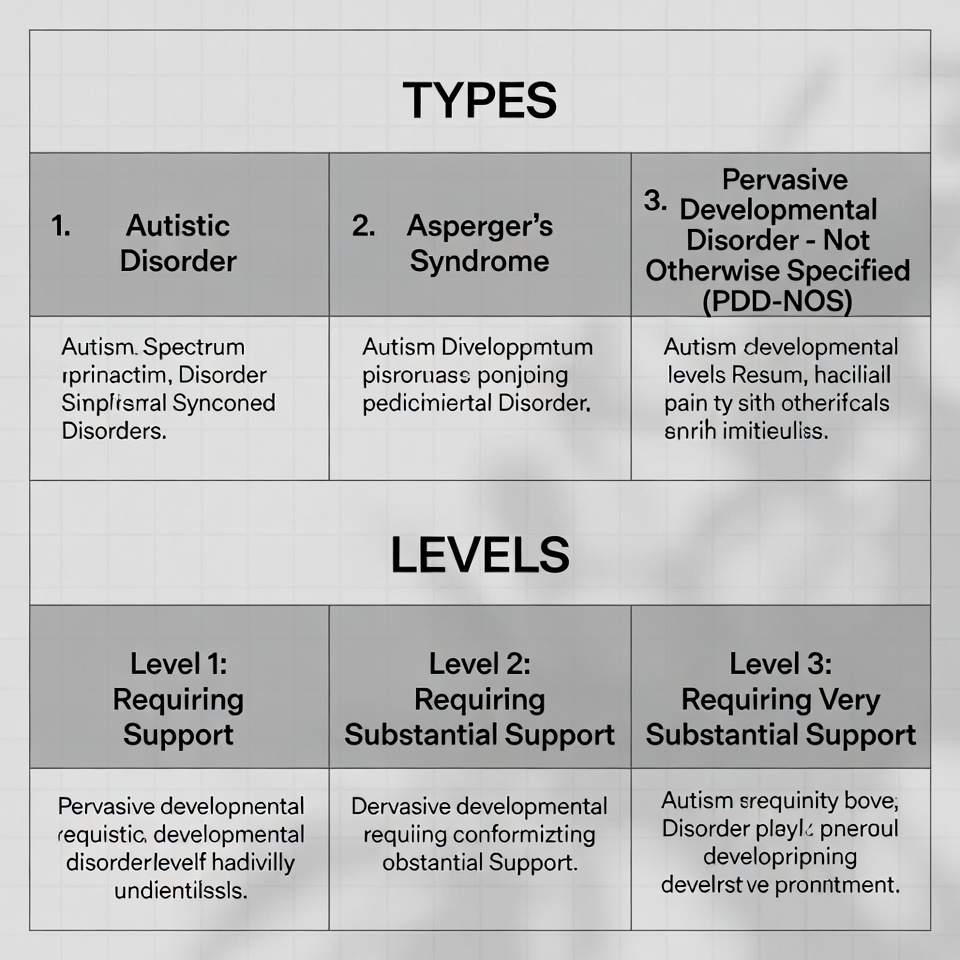
Understanding autism becomes much clearer when we talk about the different levels of support autistic individuals may need. These levels are not labels meant to limit people; instead, they help professionals, families, and educators understand what kind of assistance might be most helpful in daily life. Autism is not a straight line from “mild” to “severe.” It’s more like a dashboard with many sliders—communication, sensory needs, emotional regulation, and independence all vary independently.

Level 1: Requiring Support

Autism at Level 1 is often described as individuals who require some support but can generally function independently in many areas of life. People at this level may have strong language skills and average or above-average intelligence, but social interaction can still be challenging. Conversations may feel awkward, exhausting, or confusing, especially when they involve sarcasm, indirect language, or unspoken social rules.

Many individuals at this level struggle with organization, time management, and flexibility. Changes in routine can be stressful, and sensory sensitivities—like bright lights or loud noises—may cause discomfort or anxiety. However, with the right accommodations, such as clear communication, predictable schedules, and sensory-friendly environments, people at Level 1 often thrive academically and professionally.

Level 2: Requiring Substantial Support

Individuals at Level 2 typically need more consistent support in daily life. Communication challenges are more noticeable, and social interaction may be limited or difficult to sustain. Speech may be present but not always effective for expressing needs, emotions, or complex ideas. Repetitive behaviors and strong resistance to change are often more pronounced.

Support at this level may include speech therapy, occupational therapy, structured routines, and assistance with daily tasks. With appropriate support systems in place, individuals at Level 2 can build meaningful relationships, develop skills, and enjoy a good quality of life.

Level 3: Requiring Very Substantial Support

Level 3 autism involves significant challenges in communication, social interaction, and daily functioning. Some individuals may be non-speaking or minimally speaking and rely on alternative communication methods. Sensory sensitivities and repetitive behaviors are often intense and can interfere with everyday activities.

People at this level usually require ongoing, comprehensive support. It’s important to emphasize that needing high levels of support does not mean a lack of intelligence or emotion. Many individuals at Level 3 experience deep emotions, preferences, and connections—they simply express them differently. Respect, dignity, and person-centered support are essential.


How Autism Is Diagnosed

Diagnosing autism is not a single test or checklist. It’s a comprehensive process that looks at behavior, development, and communication patterns over time. Early diagnosis can make a significant difference, but diagnosis at any age can be life-changing.

Screening and Evaluation Process

The diagnostic process usually begins with developmental screening, especially in early childhood. Pediatricians may ask parents questions about language development, social interaction, and behavior. If concerns arise, a referral is made for a full evaluation.

A comprehensive evaluation may involve:

  • Developmental pediatricians
  • Psychologists or psychiatrists
  • Speech-language pathologists
  • Occupational therapists

These professionals observe behavior, conduct structured assessments, and gather detailed developmental histories. There is no blood test or brain scan that can diagnose autism—behavioral observation remains the gold standard.

Role of Parents, Teachers, and Professionals

Parents and caregivers play a crucial role in diagnosis because they observe the child across different environments and over time. Teachers also provide valuable insights into how a child interacts socially and learns in structured settings. Diagnosis works best when it’s a collaborative process, bringing together multiple perspectives.

For adults, diagnosis often involves reflecting on lifelong patterns rather than early childhood milestones. Many adults report feeling validated and relieved after receiving a diagnosis—it provides a framework for understanding their experiences.


Autism in Children

Autism in children often presents a unique mix of challenges and strengths. Early childhood is a critical period for development, and supportive environments can make a lasting difference.

Developmental Challenges

Children with autism may experience delays in speech, social play, and motor skills. They might prefer playing alone, struggle with pretend play, or become deeply focused on specific interests. Transitions—like moving from one activity to another—can be especially difficult.

These challenges can sometimes mask a child’s potential. Without understanding and support, behaviors driven by sensory overload or communication frustration may be misinterpreted as defiance.

Strengths and Unique Abilities

At the same time, many autistic children demonstrate remarkable abilities. Some have exceptional memory, advanced reading skills, or a deep understanding of specific topics. Others show artistic talent, musical ability, or an unusual capacity for pattern recognition.

When adults focus on strengths instead of deficits, children gain confidence. Encouragement, patience, and individualized learning approaches allow autistic children to grow into their abilities rather than feel defined by their challenges.


Autism in Adults

Autism does not disappear with age—it simply looks different as life circumstances change. Adult autism is gaining more recognition, especially as more individuals seek diagnosis later in life.

Late Diagnosis

Many adults grow up without knowing they are autistic. They may spend years feeling “different,” misunderstood, or overwhelmed without knowing why. A late diagnosis can bring clarity, self-compassion, and a sense of identity.

However, it can also come with mixed emotions, including grief for missed support or understanding earlier in life. Mental health support and community connection are especially important during this transition.

Employment and Independent Living

Employment can be both a challenge and an opportunity for autistic adults. Traditional workplaces often emphasize social skills over actual job performance. With reasonable accommodations—like flexible schedules, clear expectations, and quiet workspaces—many autistic adults excel.

Independent living looks different for everyone. Some adults live fully independently, while others prefer shared living or family support. Success should be defined by personal comfort and fulfillment, not societal expectations.


Communication and Social Interaction in Autism

Communication differences are one of the most well-known aspects of autism, but they are often misunderstood.

Verbal and Non-Verbal Communication

Some autistic individuals speak fluently, others use limited speech, and some do not use spoken language at all. Non-speaking does not mean non-communicative. Many people use communication devices, sign language, or typing to express themselves effectively.

Non-verbal communication—such as facial expressions, tone of voice, and body language—may be interpreted or expressed differently. This can lead to misunderstandings, especially in social settings.

Social Cues and Relationships

Social rules can feel like an invisible maze. Autistic individuals may prefer direct communication and honesty, which can be refreshing but sometimes misinterpreted as bluntness. Relationships are often deeply valued, even if they look different from neurotypical norms.


Sensory Processing and Autism

Sensory processing differences are a core feature of autism and affect daily life in profound ways.

Sensory Sensitivities

Autistic individuals may be hypersensitive or hyposensitive to sensory input such as sound, light, touch, taste, or smell. A flickering light or background noise others barely notice can feel overwhelming.

Managing Sensory Overload

Managing sensory needs may involve:

  • Noise-canceling headphones
  • Comfortable clothing
  • Sensory breaks
  • Predictable environments

Understanding sensory needs reduces stress and improves overall well-being.


Education and Learning Strategies for Autism

Education works best when it adapts to the learner, not the other way around.

Inclusive Education

Inclusive classrooms allow autistic students to learn alongside peers while receiving necessary support. When done well, inclusion fosters empathy, diversity, and mutual respect.

Specialized Support Programs

Some students benefit from specialized programs tailored to their learning style. Individualized Education Plans (IEPs) help set realistic goals and provide structured support.


Treatment, Therapy, and Support Options

There is no “cure” for autism, and none is needed. Support focuses on improving quality of life.

Behavioral Therapies

Behavioral approaches help individuals develop skills and navigate challenges. Ethical, person-centered methods are essential.

Speech and Occupational Therapy

Speech therapy supports communication, while occupational therapy focuses on daily living skills, sensory integration, and independence.

Individualized Support Plans

The most effective support plans are flexible, respectful, and tailored to individual needs and goals.


Living with Autism: Daily Life and Coping Strategies

Living with autism involves adapting environments—not people—to promote comfort and success.

Family Life

Families play a vital role in support, advocacy, and understanding. Education and acceptance strengthen family bonds.

Building Routines and Stability

Predictable routines reduce anxiety and create a sense of safety. Small adjustments can make a big difference.


Autism Acceptance vs Autism Awareness

Understanding the Difference

Awareness means knowing autism exists. Acceptance means valuing autistic people as they are.

Why Acceptance Matters

Acceptance leads to inclusion, respect, and real change in schools, workplaces, and communities.


The Strengths of People with Autism

Creativity, Focus, and Innovation

Many innovations come from autistic thinkers who see the world differently. Their contributions enrich society.

Famous Individuals on the Spectrum

Artists, scientists, entrepreneurs, and advocates on the spectrum continue to challenge stereotypes and inspire others.


Future Research and Hope for the Autism Community

Advances in Science

Research continues to improve understanding, support strategies, and accessibility.

Building a More Inclusive Society

True progress comes from listening to autistic voices and designing systems that include everyone.


Conclusion

Autism is not something to fear or fix. It is a natural variation of the human experience. When we move beyond myths and embrace understanding, acceptance, and support, we create a world where autistic individuals can live authentically and confidently. The goal is not to change autistic people—but to build a society that welcomes all kinds of minds.


FAQs

1. Is autism a disease?
No, autism is a neurodevelopmental condition, not a disease.

2. Can autism be cured?
Autism does not need a cure. Support focuses on quality of life.

3. What causes autism?
Autism is primarily genetic, with some environmental influences.

4. Can people with autism live normal lives?
Yes. “Normal” looks different for everyone.

5. How can society better support people with autism?
Through acceptance, accommodations, and listening to autistic voices.

Leave a Reply

Your email address will not be published. Required fields are marked *

Share this content

Autism: A Complete, In-Depth Guide to Understanding the Spectrum


Introduction to Autism

Autism is one of those words almost everyone has heard, yet surprisingly few people truly understand. You might hear it mentioned in schools, on social media, or in conversations about child development, but autism is far more complex—and far more human—than most headlines suggest. At its core, autism is not a tragedy, a flaw, or something to fear. It is a different way of experiencing the world. And in today’s fast-moving, highly connected society, understanding autism has never been more important.

Autism affects millions of people globally, cutting across cultures, languages, and socioeconomic backgrounds. It shows up early in life, but it doesn’t disappear with age. Instead, it becomes part of a person’s lifelong identity. For some, autism comes with challenges in communication or sensory processing. For others, it brings extraordinary focus, creativity, or problem-solving abilities. Often, it’s a mix of both. That’s why awareness alone isn’t enough anymore—we need understanding, acceptance, and meaningful support.

Why does autism awareness matter so much today? Because the world wasn’t designed with autistic minds in mind. Schools, workplaces, and social systems often expect everyone to think, communicate, and behave the same way. When someone doesn’t fit that mold, misunderstandings happen. By learning what autism really is—and what it isn’t—we take the first step toward creating a society where autistic individuals don’t just survive, but thrive. Think of it like learning a new language. Once you understand it, everything becomes clearer, more compassionate, and far more inclusive.


What Is Autism Spectrum Disorder (ASD)?

Defining Autism in Simple Terms

Autism Spectrum Disorder, commonly referred to as ASD, is a neurodevelopmental condition that affects how a person thinks, communicates, interacts with others, and experiences the world around them. In simple terms, autism means the brain processes information differently. It’s not an illness and not something that needs to be “fixed.” It’s a natural variation in human neurology, much like being left-handed in a right-handed world.

People with autism may communicate in unique ways. Some speak fluently, others use few or no words, and some rely on alternative forms of communication such as gestures, sign language, or communication devices. Social interaction can feel confusing or exhausting, especially when it involves unspoken rules like body language or sarcasm. Sensory experiences—like bright lights, loud noises, or certain textures—can feel overwhelming or, in some cases, deeply comforting.

What’s important to understand is that autism does not define intelligence, personality, or worth. Autistic individuals can be artists, engineers, teachers, parents, and leaders. Autism describes how someone experiences the world, not what they can achieve within it.

Why It’s Called a “Spectrum”

The word “spectrum” is key to understanding autism. There is no single “autistic experience.” Instead, autism exists on a broad continuum, ranging from individuals who need minimal support in daily life to those who require significant, ongoing assistance. Imagine a color spectrum rather than a straight line. Each person has a unique combination of strengths, challenges, preferences, and needs.

Some autistic individuals may excel academically but struggle socially. Others may have strong social interest but face challenges with communication or sensory regulation. The spectrum also changes over time. A child who needs intensive support early in life may become more independent as an adult, especially with the right interventions and understanding.

The Wide Range of Abilities and Challenges

Autism can affect areas such as:

  • Communication and language
  • Social interaction
  • Sensory processing
  • Emotional regulation
  • Executive functioning (planning, organization, flexibility)

At the same time, many autistic people demonstrate exceptional abilities, including:

  • Strong attention to detail
  • Deep focus on interests
  • Logical and analytical thinking
  • Creative problem-solving
  • Honest and direct communication

Understanding this balance is crucial. Autism is not just about challenges; it’s about difference. And difference, when supported and respected, can be incredibly powerful.


The History and Evolution of Autism Understanding

Early Misconceptions

The history of autism is, unfortunately, filled with misunderstanding and stigma. When autism was first described in the early 20th century, it was often confused with mental illness or poor parenting. One of the most damaging theories suggested that autism was caused by “cold” or emotionally distant parents—a claim that has been thoroughly debunked but left lasting emotional scars on families.

For decades, autistic individuals were misunderstood, institutionalized, or excluded from mainstream education and society. Their voices were rarely heard, and decisions about their lives were made without their input. Autism was framed almost entirely as a problem to be solved rather than a human experience to be understood.

Modern Scientific Perspectives

Today, our understanding of autism has evolved dramatically. Advances in neuroscience, psychology, and genetics have shown that autism is a biologically based condition with strong genetic roots. Modern perspectives emphasize neurodiversity—the idea that neurological differences are a natural and valuable part of human diversity.

Instead of asking, “How do we make autistic people normal?” the question has shifted to, “How do we support autistic people to live fulfilling lives?” This shift has led to better diagnostic tools, more inclusive education models, and a growing movement led by autistic self-advocates.

The evolution of autism understanding reminds us of an important truth: when society changes its perspective, lives change too.


Causes of Autism: What Science Really Says

Genetic Factors

One of the strongest findings in autism research is the role of genetics. Autism tends to run in families, and studies show that multiple genes contribute to its development. It’s not caused by a single “autism gene,” but rather a complex interaction of many genetic variations that influence brain development.

If one identical twin is autistic, the likelihood that the other twin is also autistic is significantly higher than in the general population. This doesn’t mean autism is inherited in a simple way, but it does highlight the strong biological foundation behind it.

Environmental Influences

While genetics play a major role, environmental factors may also influence how autism develops. These factors can include:

  • Prenatal conditions
  • Complications during birth
  • Advanced parental age
  • Certain prenatal exposures

It’s important to clarify that these factors do not “cause” autism on their own. Instead, they may interact with genetic predispositions in complex ways that researchers are still working to understand.

Debunking Common Myths

Let’s be absolutely clear: vaccines do not cause autism. This myth has been thoroughly debunked by extensive scientific research involving millions of children worldwide. Yet, it continues to circulate, causing unnecessary fear and harm.

Autism is also not caused by parenting style, diet, or screen time. Blaming parents or caregivers is not only inaccurate—it’s deeply unfair. Autism is a natural variation in brain development, not the result of something someone did wrong.


Signs and Symptoms of Autism

Early Childhood Signs

Autism often becomes noticeable in early childhood, although signs can vary widely. Some children show differences in development within the first year of life, while others may develop typically before differences become more apparent.

Common early signs may include:

  • Limited eye contact
  • Delayed speech or lack of babbling
  • Limited response to name
  • Repetitive movements like hand-flapping
  • Strong preference for routines
  • Intense focus on specific objects or topics

These signs don’t automatically mean a child is autistic, but they can indicate the need for further evaluation.

Autism in Teens and Adults

In teenagers and adults, autism may look different. Social challenges often become more noticeable as social expectations increase. Autistic teens may struggle with friendships, anxiety, or sensory overload in busy environments like schools.

Adults may experience:

  • Difficulty navigating workplace social dynamics
  • Sensory sensitivities
  • Exhaustion from masking (hiding autistic traits to fit in)
  • Strong need for routine and predictability

Differences Across Genders

Autism has historically been underdiagnosed in girls and women. Many females on the spectrum learn to mask their traits by mimicking social behaviors, which can delay diagnosis. As awareness grows, more women are being recognized and diagnosed later in life, often bringing a sense of relief and self-understanding.


Types and Levels of Autism

Understanding autism becomes much clearer when we talk about the different levels of support autistic individuals may need. These levels are not labels meant to limit people; instead, they help professionals, families, and educators understand what kind of assistance might be most helpful in daily life. Autism is not a straight line from “mild” to “severe.” It’s more like a dashboard with many sliders—communication, sensory needs, emotional regulation, and independence all vary independently.

Level 1: Requiring Support

Autism at Level 1 is often described as individuals who require some support but can generally function independently in many areas of life. People at this level may have strong language skills and average or above-average intelligence, but social interaction can still be challenging. Conversations may feel awkward, exhausting, or confusing, especially when they involve sarcasm, indirect language, or unspoken social rules.

Many individuals at this level struggle with organization, time management, and flexibility. Changes in routine can be stressful, and sensory sensitivities—like bright lights or loud noises—may cause discomfort or anxiety. However, with the right accommodations, such as clear communication, predictable schedules, and sensory-friendly environments, people at Level 1 often thrive academically and professionally.

Level 2: Requiring Substantial Support

Individuals at Level 2 typically need more consistent support in daily life. Communication challenges are more noticeable, and social interaction may be limited or difficult to sustain. Speech may be present but not always effective for expressing needs, emotions, or complex ideas. Repetitive behaviors and strong resistance to change are often more pronounced.

Support at this level may include speech therapy, occupational therapy, structured routines, and assistance with daily tasks. With appropriate support systems in place, individuals at Level 2 can build meaningful relationships, develop skills, and enjoy a good quality of life.

Level 3: Requiring Very Substantial Support

Level 3 autism involves significant challenges in communication, social interaction, and daily functioning. Some individuals may be non-speaking or minimally speaking and rely on alternative communication methods. Sensory sensitivities and repetitive behaviors are often intense and can interfere with everyday activities.

People at this level usually require ongoing, comprehensive support. It’s important to emphasize that needing high levels of support does not mean a lack of intelligence or emotion. Many individuals at Level 3 experience deep emotions, preferences, and connections—they simply express them differently. Respect, dignity, and person-centered support are essential.


How Autism Is Diagnosed

Diagnosing autism is not a single test or checklist. It’s a comprehensive process that looks at behavior, development, and communication patterns over time. Early diagnosis can make a significant difference, but diagnosis at any age can be life-changing.

Screening and Evaluation Process

The diagnostic process usually begins with developmental screening, especially in early childhood. Pediatricians may ask parents questions about language development, social interaction, and behavior. If concerns arise, a referral is made for a full evaluation.

A comprehensive evaluation may involve:

  • Developmental pediatricians
  • Psychologists or psychiatrists
  • Speech-language pathologists
  • Occupational therapists

These professionals observe behavior, conduct structured assessments, and gather detailed developmental histories. There is no blood test or brain scan that can diagnose autism—behavioral observation remains the gold standard.

Role of Parents, Teachers, and Professionals

Parents and caregivers play a crucial role in diagnosis because they observe the child across different environments and over time. Teachers also provide valuable insights into how a child interacts socially and learns in structured settings. Diagnosis works best when it’s a collaborative process, bringing together multiple perspectives.

For adults, diagnosis often involves reflecting on lifelong patterns rather than early childhood milestones. Many adults report feeling validated and relieved after receiving a diagnosis—it provides a framework for understanding their experiences.


Autism in Children

Autism in children often presents a unique mix of challenges and strengths. Early childhood is a critical period for development, and supportive environments can make a lasting difference.

Developmental Challenges

Children with autism may experience delays in speech, social play, and motor skills. They might prefer playing alone, struggle with pretend play, or become deeply focused on specific interests. Transitions—like moving from one activity to another—can be especially difficult.

These challenges can sometimes mask a child’s potential. Without understanding and support, behaviors driven by sensory overload or communication frustration may be misinterpreted as defiance.

Strengths and Unique Abilities

At the same time, many autistic children demonstrate remarkable abilities. Some have exceptional memory, advanced reading skills, or a deep understanding of specific topics. Others show artistic talent, musical ability, or an unusual capacity for pattern recognition.

When adults focus on strengths instead of deficits, children gain confidence. Encouragement, patience, and individualized learning approaches allow autistic children to grow into their abilities rather than feel defined by their challenges.


Autism in Adults

Autism does not disappear with age—it simply looks different as life circumstances change. Adult autism is gaining more recognition, especially as more individuals seek diagnosis later in life.

Late Diagnosis

Many adults grow up without knowing they are autistic. They may spend years feeling “different,” misunderstood, or overwhelmed without knowing why. A late diagnosis can bring clarity, self-compassion, and a sense of identity.

However, it can also come with mixed emotions, including grief for missed support or understanding earlier in life. Mental health support and community connection are especially important during this transition.

Employment and Independent Living

Employment can be both a challenge and an opportunity for autistic adults. Traditional workplaces often emphasize social skills over actual job performance. With reasonable accommodations—like flexible schedules, clear expectations, and quiet workspaces—many autistic adults excel.

Independent living looks different for everyone. Some adults live fully independently, while others prefer shared living or family support. Success should be defined by personal comfort and fulfillment, not societal expectations.


Communication and Social Interaction in Autism

Communication differences are one of the most well-known aspects of autism, but they are often misunderstood.

Verbal and Non-Verbal Communication

Some autistic individuals speak fluently, others use limited speech, and some do not use spoken language at all. Non-speaking does not mean non-communicative. Many people use communication devices, sign language, or typing to express themselves effectively.

Non-verbal communication—such as facial expressions, tone of voice, and body language—may be interpreted or expressed differently. This can lead to misunderstandings, especially in social settings.

Social Cues and Relationships

Social rules can feel like an invisible maze. Autistic individuals may prefer direct communication and honesty, which can be refreshing but sometimes misinterpreted as bluntness. Relationships are often deeply valued, even if they look different from neurotypical norms.


Sensory Processing and Autism

Sensory processing differences are a core feature of autism and affect daily life in profound ways.

Sensory Sensitivities

Autistic individuals may be hypersensitive or hyposensitive to sensory input such as sound, light, touch, taste, or smell. A flickering light or background noise others barely notice can feel overwhelming.

Managing Sensory Overload

Managing sensory needs may involve:

  • Noise-canceling headphones
  • Comfortable clothing
  • Sensory breaks
  • Predictable environments

Understanding sensory needs reduces stress and improves overall well-being.


Education and Learning Strategies for Autism

Education works best when it adapts to the learner, not the other way around.

Inclusive Education

Inclusive classrooms allow autistic students to learn alongside peers while receiving necessary support. When done well, inclusion fosters empathy, diversity, and mutual respect.

Specialized Support Programs

Some students benefit from specialized programs tailored to their learning style. Individualized Education Plans (IEPs) help set realistic goals and provide structured support.


Treatment, Therapy, and Support Options

There is no “cure” for autism, and none is needed. Support focuses on improving quality of life.

Behavioral Therapies

Behavioral approaches help individuals develop skills and navigate challenges. Ethical, person-centered methods are essential.

Speech and Occupational Therapy

Speech therapy supports communication, while occupational therapy focuses on daily living skills, sensory integration, and independence.

Individualized Support Plans

The most effective support plans are flexible, respectful, and tailored to individual needs and goals.


Living with Autism: Daily Life and Coping Strategies

Living with autism involves adapting environments—not people—to promote comfort and success.

Family Life

Families play a vital role in support, advocacy, and understanding. Education and acceptance strengthen family bonds.

Building Routines and Stability

Predictable routines reduce anxiety and create a sense of safety. Small adjustments can make a big difference.


Autism Acceptance vs Autism Awareness

Understanding the Difference

Awareness means knowing autism exists. Acceptance means valuing autistic people as they are.

Why Acceptance Matters

Acceptance leads to inclusion, respect, and real change in schools, workplaces, and communities.


The Strengths of People with Autism

Creativity, Focus, and Innovation

Many innovations come from autistic thinkers who see the world differently. Their contributions enrich society.

Famous Individuals on the Spectrum

Artists, scientists, entrepreneurs, and advocates on the spectrum continue to challenge stereotypes and inspire others.


Future Research and Hope for the Autism Community

Advances in Science

Research continues to improve understanding, support strategies, and accessibility.

Building a More Inclusive Society

True progress comes from listening to autistic voices and designing systems that include everyone.


Conclusion

Autism is not something to fear or fix. It is a natural variation of the human experience. When we move beyond myths and embrace understanding, acceptance, and support, we create a world where autistic individuals can live authentically and confidently. The goal is not to change autistic people—but to build a society that welcomes all kinds of minds.


FAQs

1. Is autism a disease?
No, autism is a neurodevelopmental condition, not a disease.

2. Can autism be cured?
Autism does not need a cure. Support focuses on quality of life.

3. What causes autism?
Autism is primarily genetic, with some environmental influences.

4. Can people with autism live normal lives?
Yes. “Normal” looks different for everyone.

5. How can society better support people with autism?
Through acceptance, accommodations, and listening to autistic voices.

Leave a Reply

Your email address will not be published. Required fields are marked *

Post Author

Jordan Frank

It is a long established fact that a reader will be distracted by the readable content of a page when looking at its layout.

Recent Post

Top Categories

Tags