
 By SAIMA KHAN
Introduction to Acute Trauma
Acute trauma Managing and Recovering Effectively is a sudden and severe injury or stress that impacts either the body, the mind, or both. Unlike chronic trauma, which develops over time due to prolonged stressors, acute trauma occurs unexpectedly and can have immediate life-threatening consequences if not addressed promptly. Think of it as a sudden storm hitting your life, leaving you momentarily stunned and in urgent need of help. Early recognition of acute trauma is essential because timely intervention significantly improves recovery outcomes and reduces long-term complications.
Acute trauma is not limited to physical injuries. While a broken bone or severe laceration is the most obvious type, acute trauma can also manifest as a psychological shock following a car accident, assault, or sudden loss. The dual nature of trauma—physical and psychological—makes it crucial to have a comprehensive understanding of both aspects to provide effective treatment.
Healthcare professionals stress that every trauma case should be treated individually. Factors like age, preexisting medical conditions, and emotional resilience play a significant role in determining how a person responds to sudden trauma. Immediate attention and tailored care plans often dictate the difference between full recovery and long-term disability or psychological distress.
Understanding acute trauma also means recognizing the broader implications. Beyond the initial injury, untreated trauma can result in chronic pain, post-traumatic stress disorder (PTSD), and reduced quality of life. Therefore, public awareness and first aid knowledge are invaluable in mitigating the impact of acute trauma.
Understanding the intricacies of acute trauma is essential for Acute Trauma Managing and Recovering Effectively.
Acute Trauma Managing and Recovering Effectively
Causes of Acute Trauma
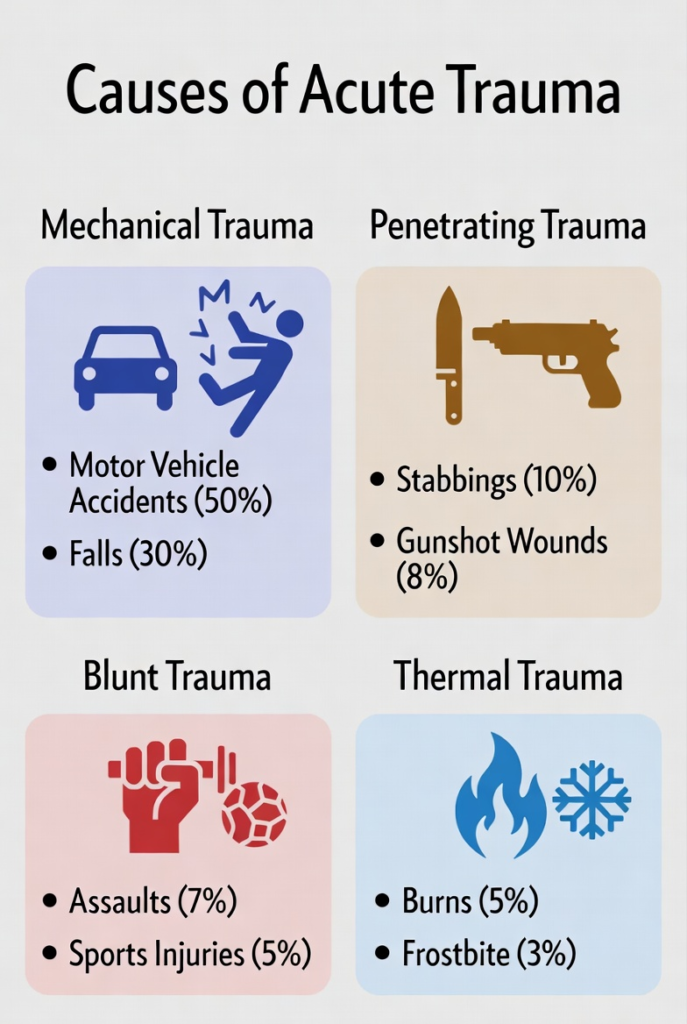
Acute trauma can arise from a variety of sources, broadly categorized into physical, emotional, and environmental causes.
Physical trauma often results from accidents, falls, sports injuries, or violent encounters. For example, a car crash can cause severe fractures, internal bleeding, or head injuries, all of which qualify as acute trauma. The speed and force involved in such incidents typically dictate the severity of injury.
Emotional or psychological trauma occurs when an individual experiences a sudden, overwhelming event that challenges their emotional stability. Events such as witnessing a violent crime, experiencing a natural disaster, or enduring the unexpected loss of a loved one can trigger acute psychological trauma. The mind reacts similarly to the body in these situations, often producing anxiety, fear, or shock.
Environmental factors also play a crucial role. Natural disasters, workplace hazards, and unsafe living conditions can suddenly endanger life, resulting in both physical and emotional trauma. For instance, earthquakes, floods, or industrial accidents are classic examples of trauma-inducing environmental events.
While the causes are varied, what unites all acute trauma cases is the suddenness and intensity of the event. This unexpected nature is what distinguishes acute trauma from injuries or stressors that develop gradually over time.
Signs and Symptoms
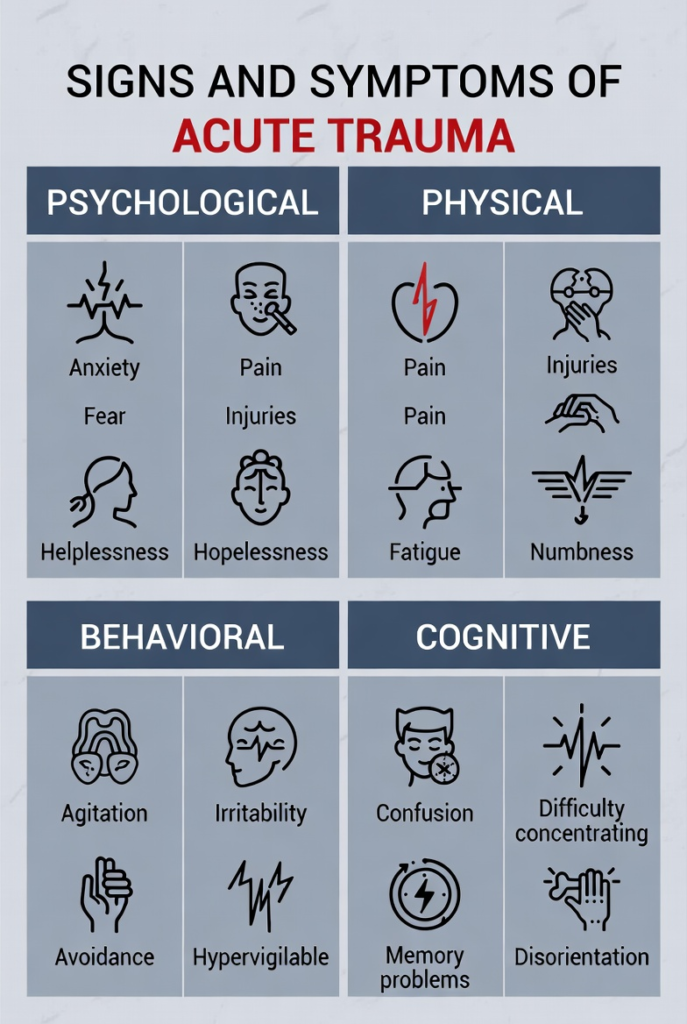
Recognizing acute trauma is the first step toward effective management. Symptoms often present in both physical and psychological forms, and sometimes they overlap.
Physical signs include visible injuries such as cuts, bruises, fractures, swelling, or internal bleeding. Victims may experience intense pain, dizziness, nausea, or difficulty moving specific body parts. Rapid heart rate and shallow breathing are also common indicators of shock.
Psychological signs can be subtle yet equally dangerous. Individuals might show confusion, agitation, fear, anxiety, or emotional numbness. In some cases, trauma victims may appear detached or unresponsive, which is often mistaken for calmness but actually indicates psychological distress.
Long-term symptoms can develop if acute trauma is left untreated. Chronic pain, sleep disturbances, flashbacks, or emotional instability may persist, significantly affecting quality of life. Post-traumatic stress disorder (PTSD) is one of the most common long-term consequences of untreated psychological trauma.
Recognizing these signs early, both physically and emotionally, is critical for initiating immediate care and preventing complications.
Types of Acute Trauma
Acute trauma manifests in several distinct forms, each requiring specialized approaches.
Musculoskeletal trauma includes fractures, dislocations, and sprains. These injuries typically occur due to falls, heavy impacts, or accidents, causing pain, swelling, and limited mobility. Early immobilization and medical care are vital for recovery.
Head trauma ranges from mild concussions to severe traumatic brain injuries. Head injuries can lead to confusion, loss of consciousness, cognitive deficits, or even permanent neurological damage if untreated. Rapid assessment and imaging are essential to prevent complications.
Chest and abdominal trauma often result from high-impact accidents or penetrating injuries. Damage to internal organs, bleeding, or difficulty breathing requires urgent medical attention.
Psychological trauma may occur independently or alongside physical injury. Sudden events like assault, disaster, or witnessing death can trigger acute stress reactions, which if unaddressed, may escalate to PTSD.
Each type of trauma carries unique risks and requires a combination of medical, psychological, and rehabilitative interventions for optimal recovery.
Risk Factors
Certain individuals are more susceptible to acute trauma due to various risk factors.
Age and general health significantly affect trauma outcomes. Children and elderly individuals often face higher risks due to fragile bones, slower healing, and weaker immune systems. Preexisting conditions like heart disease or diabetes can further complicate recovery.
Occupational hazards increase exposure to trauma. Jobs in construction, law enforcement, firefighting, or manufacturing carry higher chances of physical injury. Adequate training and protective gear are essential to reduce these risks.
Lifestyle factors also play a role. High-risk behaviors, such as reckless driving, extreme sports, or substance abuse, can increase the likelihood of accidents or injury. Conversely, a healthy lifestyle with regular exercise and preventive care can lower trauma susceptibility.
Identifying these risk factors allows for preventive strategies that minimize both physical injuries and psychological stress.
Diagnosis of Acute Trauma
Accurate diagnosis is the cornerstone of effective acute trauma management.
Medical history assessment helps clinicians understand the circumstances leading to trauma. Previous injuries, chronic conditions, and allergies are reviewed to tailor the treatment plan.
Physical examination identifies visible injuries, evaluates vital signs, and assesses the patient’s overall condition. Signs of internal bleeding, organ damage, or neurological deficits are carefully monitored.
Imaging techniques like X-rays, MRI, or CT scans provide detailed insights into bone fractures, internal injuries, and brain trauma. Prompt and accurate imaging ensures timely interventions and reduces the risk of long-term complications.
A thorough diagnosis not only directs immediate treatment but also guides rehabilitation strategies and long-term care plans.
Immediate First Aid Measures
Immediate response to acute trauma can save lives and reduce long-term damage.
Stop bleeding and prevent shock: Apply direct pressure to wounds, elevate injured limbs, and keep the patient warm. Monitoring vital signs is crucial.
Immobilization: Use splints or slings to stabilize fractures and prevent further injury. Avoid moving the patient unnecessarily if spinal or head trauma is suspected.
Emergency response procedures: Call emergency services promptly. Follow standard first aid protocols while ensuring the patient is safe and comfortable.
Quick, informed action during the first few minutes following trauma is often the difference between recovery and permanent disability.
Medical Management and Treatment
Once initial first aid has been provided, acute trauma requires specialized medical management to address both immediate injuries and prevent long-term complications. Treatment strategies depend on the type and severity of trauma, and often involve a multidisciplinary approach.
Surgical interventions are sometimes necessary for severe injuries such as compound fractures, internal bleeding, or organ damage. Surgeons may repair broken bones, remove damaged tissue, or stabilize internal injuries. Emergency surgery in the first few hours is critical in cases like head trauma or abdominal injuries, where delays can be life-threatening.
Medication and pain management play a pivotal role in recovery. Analgesics, anti-inflammatory drugs, and antibiotics are commonly prescribed to reduce pain, prevent infection, and manage swelling. In some psychological trauma cases, short-term medication may help manage acute anxiety or sleep disturbances.
Physical therapy and rehabilitation are essential for restoring mobility, strength, and function. Early initiation of rehab improves outcomes and reduces the likelihood of long-term disability. Techniques include range-of-motion exercises, strength training, and guided movements to regain normal function while minimizing pain.
Effective trauma management integrates both physical and psychological aspects. Holistic care ensures that the patient not only heals physically but also regains confidence, independence, and mental well-being.
Psychological Interventions
Physical injuries often overshadow the psychological consequences of trauma, yet mental recovery is equally important. Psychological interventions aim to reduce distress, prevent chronic conditions like PTSD, and promote resilience.
Cognitive-behavioral therapy (CBT) is widely used for trauma victims. CBT helps patients process traumatic events, reframe negative thoughts, and develop coping strategies. Research shows that early CBT intervention significantly reduces the risk of long-term psychological disorders.
Stress management techniques such as deep breathing, mindfulness meditation, and relaxation exercises help regulate the nervous system after a traumatic event. These practices lower anxiety levels, improve sleep, and enhance overall emotional stability.
Support groups and counseling provide social support and shared experiences that reduce feelings of isolation. Whether in-person or online, connecting with others who have experienced similar trauma fosters healing and normalizes emotional reactions.
Integrating psychological care with medical treatment ensures a comprehensive recovery, addressing both visible injuries and invisible emotional wounds.
Prevention Strategies
Prevention is always better than cure, especially for acute trauma. While not all incidents can be avoided, proactive measures can drastically reduce risks.
Safety precautions in daily life include wearing seat belts, using protective gear during sports, and maintaining a safe home environment to prevent falls or accidents. Simple habits like keeping walkways clear or using non-slip mats can prevent serious injuries.
Workplace and sports safety is essential in high-risk occupations. Proper training, adherence to safety protocols, and regular equipment maintenance reduce injury rates significantly. In sports, protective gear, proper warm-up routines, and safe playing techniques are vital.
Psychological resilience building helps individuals cope better with unexpected stressors. Techniques include stress management, emotional regulation, and mental preparedness. A strong mindset doesn’t prevent trauma but can reduce its psychological impact and improve recovery outcomes.
By combining physical precautions with mental resilience strategies, both the likelihood of trauma and its severity can be minimized.
Complications of Untreated Acute Trauma
Ignoring or delaying treatment for acute trauma can lead to severe complications, affecting both physical and mental health.
Chronic pain is a common outcome of untreated musculoskeletal injuries. Fractures that heal improperly or soft tissue injuries left unaddressed may lead to persistent pain and limited mobility.
Permanent disability can occur when severe injuries, particularly fractures or nerve damage, are not managed promptly. For example, untreated spinal trauma can result in paralysis, while internal injuries may lead to organ failure.
Psychological disorders often arise when trauma goes untreated. Anxiety, depression, and PTSD can manifest weeks or months after the initial injury. Victims may experience flashbacks, emotional instability, or avoidance behavior that significantly affects their daily life.
Timely medical attention and psychological support are crucial to prevent these long-term complications. Early intervention is often the difference between full recovery and lifelong consequences.
Acute Trauma in Children and Elderly
Children and older adults require special attention when managing acute trauma due to their unique vulnerabilities.
Children have developing bones and organs, which can make injuries more complicated. They may not communicate pain effectively, making early diagnosis challenging. Pediatric trauma care focuses on both physical stabilization and emotional support to reduce anxiety and fear.
Older adults are prone to fractures and slower recovery due to fragile bones, comorbidities, and decreased physiological reserves. Even minor falls can result in serious injuries such as hip fractures or head trauma. Treatment often involves multidisciplinary care, including medical, surgical, and rehabilitative interventions.
Treatment adjustments for these age groups may include gentler rehabilitation techniques, modified medications, and extended psychological support. Tailoring care to the patient’s age ensures safer recovery and minimizes complications.
Role of Nutrition and Lifestyle in Recovery
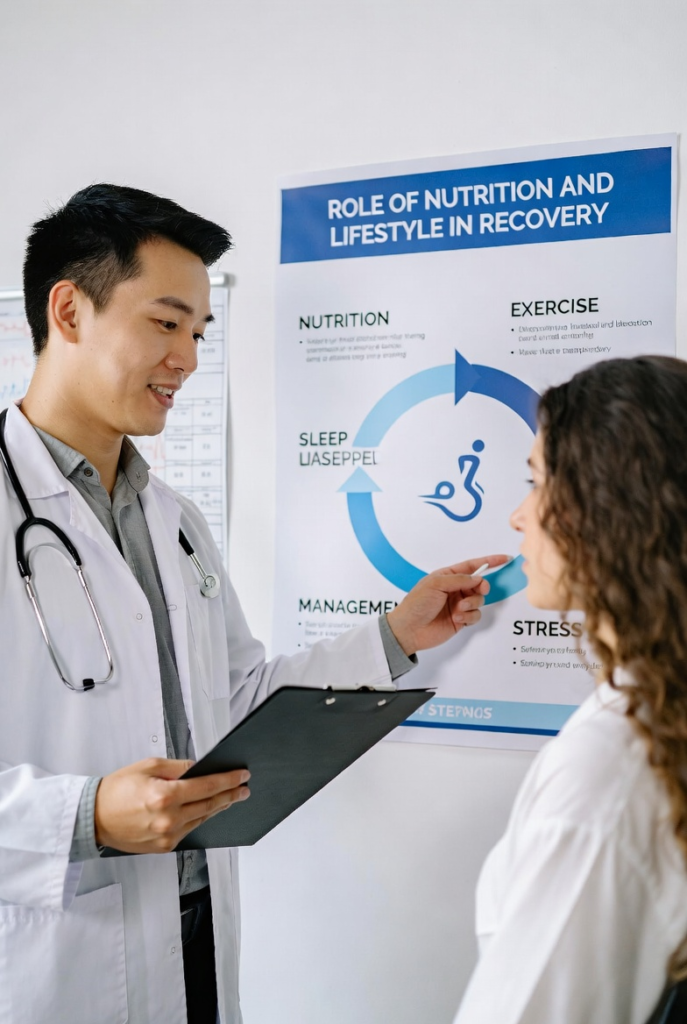
Nutrition and lifestyle choices play a critical role in the recovery process from acute trauma. Proper nutrition supports tissue repair, boosts the immune system, and promotes overall healing.
Nutrients supporting tissue repair include protein, vitamins C and D, zinc, and calcium. Protein aids in muscle and tissue regeneration, while vitamins and minerals support bone healing and immune function. A well-balanced diet speeds recovery and reduces complications.
Exercise and mobility are essential once acute injuries are stabilized. Gradual physical activity enhances blood circulation, reduces stiffness, and strengthens muscles. Tailored physiotherapy ensures safe movement without risking re-injury.
Avoiding substances that hinder healing is equally important. Smoking, excessive alcohol, and certain medications can delay recovery and impair immune function. Maintaining a healthy lifestyle accelerates healing and improves long-term outcomes.
Integrating nutrition, lifestyle, and rehabilitation strategies creates a holistic approach that maximizes recovery potential.
Case Studies and Real-Life Examples

Understanding real-life scenarios helps contextualize acute trauma management.
Sports injuries: Consider a football player who suffers an ACL tear during a game. Immediate immobilization, MRI diagnosis, surgical repair, and structured rehabilitation are critical. Psychological support also aids in coping with the anxiety of returning to play.
Road accidents: A motorcyclist involved in a collision may sustain multiple fractures and internal injuries. Timely trauma care, surgical interventions, and prolonged physical therapy prevent permanent disability and reduce psychological distress.
Workplace trauma: Factory workers exposed to machinery accidents often suffer crush injuries or amputations. Comprehensive trauma management involves emergency response, surgical care, vocational rehabilitation, and counseling to facilitate reintegration into work.
These examples highlight the importance of a coordinated, multidisciplinary approach to trauma management that addresses both physical and psychological aspects.
Conclusion
Acute trauma is a sudden, potentially life-threatening event that demands immediate attention and comprehensive care. Whether physical, psychological, or both, trauma affects individuals in profound ways, influencing short- and long-term health outcomes. Recognizing the signs, providing immediate first aid, seeking medical intervention, and supporting psychological recovery are all crucial steps in ensuring effective healing.
Prevention strategies, including safety precautions, workplace regulations, and mental resilience, can significantly reduce the incidence and severity of acute trauma. Meanwhile, nutrition, lifestyle adjustments, and rehabilitation ensure optimal recovery and long-term wellness.
By understanding the complexities of acute trauma and implementing a holistic approach, individuals, families, and communities can improve outcomes, reduce complications, and restore quality of life for trauma victims.
FAQs
1. What is the difference between acute and chronic trauma?
Acute trauma occurs suddenly due to a specific incident, while chronic trauma develops over time due to ongoing stressors or repeated injury.
2. How quickly should someone seek medical attention after acute trauma?
Immediate medical attention is recommended, especially if there is severe pain, bleeding, or loss of consciousness, to prevent complications.
3. Can psychological trauma occur without physical injury?
Yes. Witnessing or experiencing a shocking event can trigger psychological trauma even without visible physical injury.
4. What are the best ways to prevent acute trauma at home and work?
Implement safety measures such as protective gear, secure environments, proper training, and safe practices. Regularly review emergency protocols.
5. How long does recovery from acute trauma typically take?
Recovery time varies depending on injury severity, age, health status, and type of treatment but may range from a few weeks for minor injuries to several months for severe trauma.
To ensure a safe recovery from acute trauma, it is essential to prioritize both physical and mental health by seeking appropriate medical care and support. Establishing a proactive approach to safety can significantly reduce the risk of future incidents at home and in the workplace.
https://thewovenmind.com/wp-admin/post.php?post=428&action=edit