News

Causes and Risk Factors of Mental Health Issues

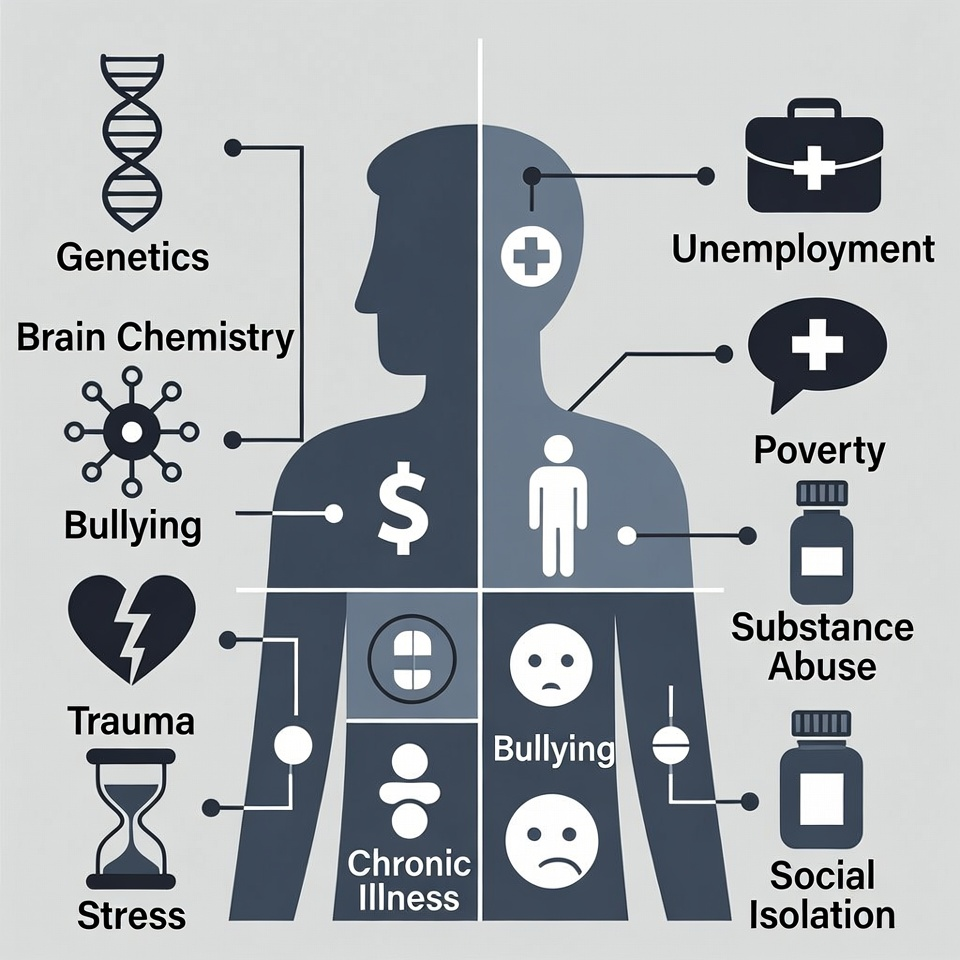
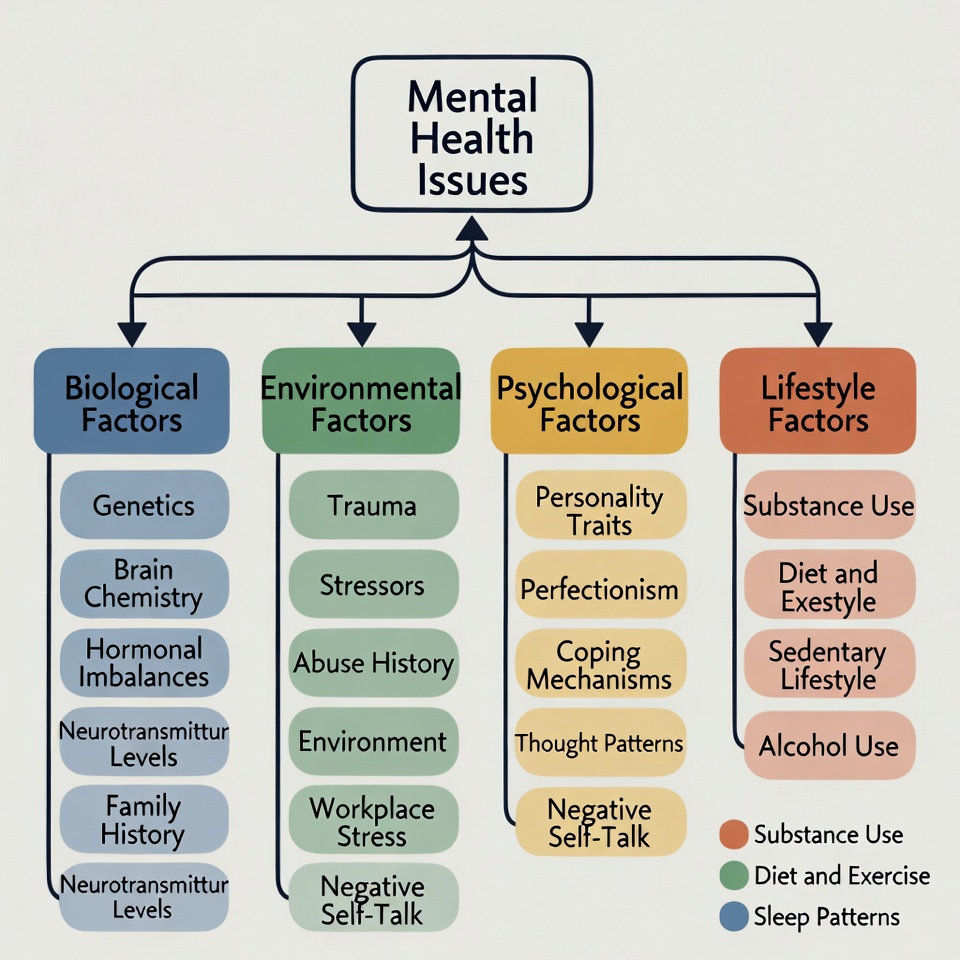
Causes and risk factors of mental health issues are rarely have a single cause. Instead, they usually develop from a combination of biological, psychological, and environmental factors. Think of it like a puzzle each piece alone may not create a full picture, but together, they shape a person’s mental health experience.

Some individuals may have a genetic predisposition to certain mental health disorders. Others may develop challenges due to trauma, chronic stress, or long-term exposure to adverse environments. Life events such as divorce, job loss, financial strain, or grief can also trigger symptoms.

Risk factors don’t guarantee someone will develop a mental health condition. They simply increase vulnerability. Protective factors like strong relationships, healthy coping skills, and supportive communities can significantly reduce risk.

Here are common categories of contributing factors:

  • Genetics and brain chemistry
  • Childhood experiences
  • Chronic stress
  • Substance use
  • Social isolation
  • Medical conditions

Understanding these causes helps remove blame and shame. Mental health struggles are not moral failures. They are complex interactions between mind, body, and environment.

Let’s explore the major categories more closely.


Biological Factors
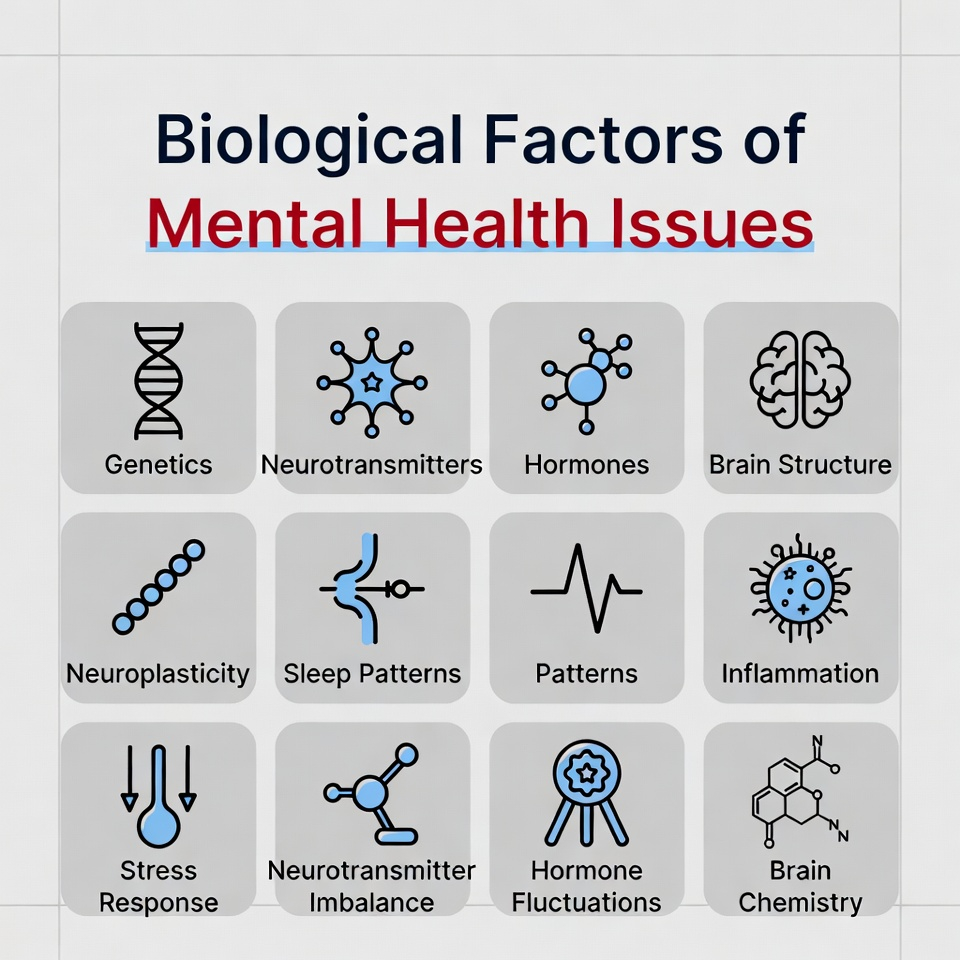
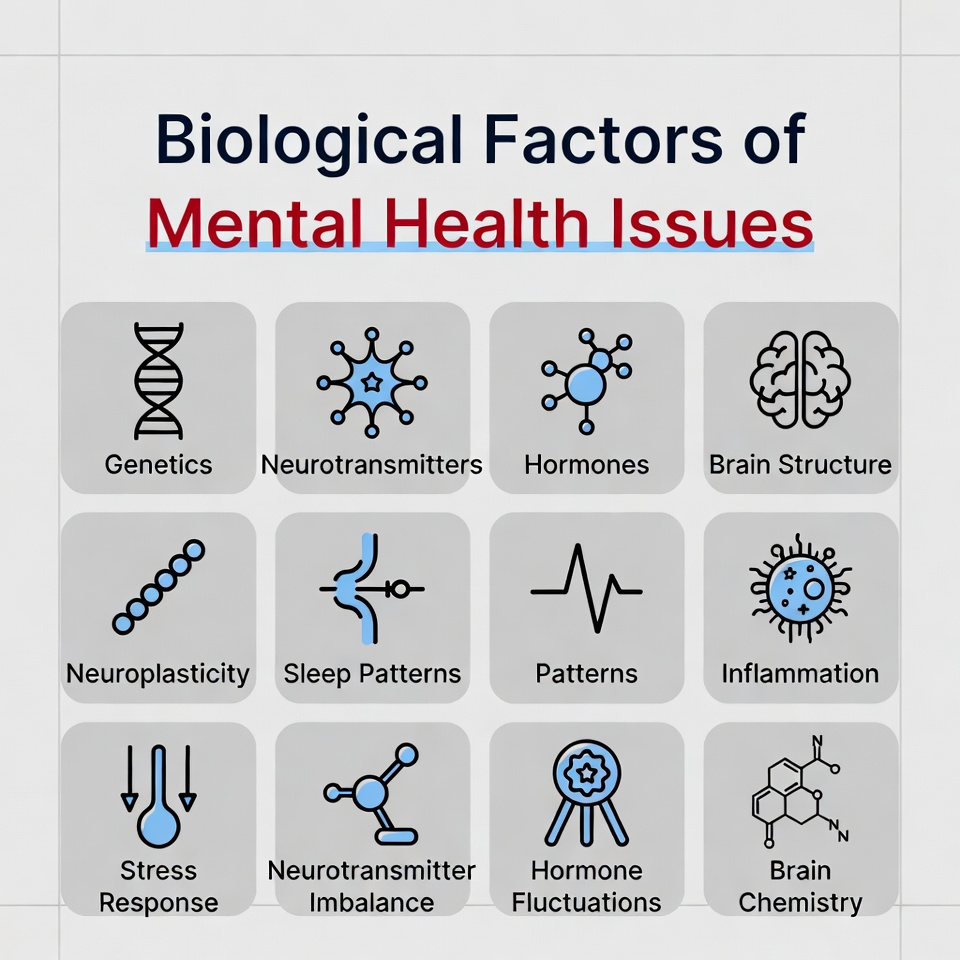
Causes and risk factors of mental health issues in Biology plays a substantial role in mental health. Genetics can influence how the brain processes chemicals like serotonin, dopamine, and norepinephrine—neurotransmitters that regulate mood and emotion.

If a close family member has depression, anxiety, or bipolar disorder, the likelihood of experiencing similar challenges increases. However, genetics alone do not determine destiny. Environment and lifestyle still matter greatly.

Brain structure and function can also impact mental health. For example, abnormalities in certain brain regions may influence emotional regulation or stress responses. Hormonal imbalances, thyroid issues, and chronic inflammation have also been linked to mood disorders.

Medical conditions such as:

  • Diabetes
  • Heart disease
  • Chronic pain
  • Neurological disorders

can increase the risk of mental health symptoms. Additionally, substance misuse can alter brain chemistry and trigger anxiety, depression, or psychosis.

Understanding biological factors reinforces the idea that mental health conditions are legitimate medical concerns. Just as diabetes involves insulin regulation, depression may involve neurotransmitter imbalances.

Biology sets the stage—but lifestyle and support determine much of the outcome.


Psychological Factors

Causes and risk factors of mental health issues Psychological influences often stem from early life experiences and personality traits. Childhood trauma, neglect, or emotional abuse can leave lasting effects on self-esteem and stress regulation.

Negative thought patterns also contribute. For example, consistently interpreting neutral situations as threatening can fuel anxiety. Persistent self-criticism can deepen depressive symptoms. Over time, these mental habits become automatic.

Common psychological risk factors include:

  • Low self-esteem
  • Perfectionism
  • Chronic pessimism
  • Difficulty regulating emotions
  • Poor coping skills

Cognitive distortions—such as black-and-white thinking or catastrophizing—can magnify stress. Therapy often focuses on identifying and reshaping these patterns.

Attachment style, developed in early childhood, also influences adult mental health. Insecure attachment may lead to fear of abandonment or difficulty trusting others.

The encouraging news? Psychological factors are often highly responsive to therapy and personal growth work. The brain is adaptable. New habits and thought patterns can be learned.


Social and Environmental Factors

Causes and risk factors of mental health issues in Environment shapes mental health more than we often acknowledge. Social determinants like income, education, neighborhood safety, and access to healthcare significantly impact emotional well-being.

Chronic stress from financial hardship, discrimination, or unstable housing can create ongoing anxiety. Social isolation—particularly in elderly populations—has been linked to depression and cognitive decline.

Environmental stressors include:

  • Workplace pressure
  • Relationship conflict
  • Bullying
  • Exposure to violence
  • Community instability

Cultural expectations also influence mental health. In some societies, emotional expression is discouraged, leading individuals to suppress feelings rather than seek support.

Technology has added another layer. Constant exposure to curated social media images can create unrealistic comparisons, lowering self-worth.

Supportive environments, however, act as protective buffers. Strong friendships, community engagement, and safe living conditions enhance resilience.

Your surroundings matter. The spaces and relationships you occupy influence how your mind feels each day.

The mind and body are not separate systems—they are deeply interconnected. When one suffers, the other often follows.

For example, chronic stress increases cortisol levels, which can weaken the immune system, disrupt sleep, and raise blood pressure. On the flip side, physical illnesses such as chronic pain or heart disease can increase the risk of depression.

Regular exercise has been shown to reduce symptoms of anxiety and depression. Why? Because movement releases endorphins—natural mood boosters. It also improves sleep, increases energy, and enhances self-esteem.

Nutrition plays a role too. Diets high in processed foods and sugar have been linked to mood instability, while balanced diets rich in whole foods support brain health.

Sleep is another major factor. Sleep deprivation affects concentration, emotional regulation, and stress tolerance. Even a few nights of poor sleep can amplify anxiety.

Here’s a quick comparison:

Physical HabitMental Health Impact
Regular exerciseReduced anxiety and depression
Balanced dietImproved mood stability
Adequate sleepBetter emotional regulation
Substance misuseIncreased mental health risk

Caring for your body is one of the most practical ways to protect your mind. They operate as one integrated system.


The Role of Stress in Mental Health

Stress is unavoidable. In small doses, it can even be motivating. But chronic stress is one of the biggest threats to mental health.

When you encounter stress, your body activates the “fight or flight” response. Heart rate increases. Muscles tense. Cortisol levels rise. This response is helpful in short bursts but damaging when constantly activated.

Long-term stress can lead to:

  • Anxiety disorders
  • Depression
  • Burnout
  • Sleep disturbances
  • Irritability

Modern life exposes us to ongoing stressors—deadlines, financial obligations, social expectations, and constant connectivity. Unlike ancient threats, these pressures rarely disappear completely.

Managing stress involves both external and internal strategies:

  • Setting boundaries
  • Practicing relaxation techniques
  • Prioritizing time management
  • Engaging in hobbies
  • Seeking support

Mindfulness practices help calm the nervous system. Even simple breathing exercises can reduce physiological stress responses.

Stress itself isn’t the enemy. Unmanaged stress is. Learning how to recover from stress is just as important as handling it.


How Social Media and Technology Affect Mental Health

Technology has transformed how we communicate, learn, and entertain ourselves. But it has also introduced new mental health challenges.

Social media platforms often highlight curated, idealized versions of life. Constant comparison can lead to feelings of inadequacy. “Why is everyone else so successful? So happy? So fit?” These comparisons are rarely accurate—but they feel real.

Excessive screen time has been linked to:

  • Sleep disruption
  • Increased anxiety
  • Reduced attention span
  • Social isolation

Cyberbullying is another major concern, particularly for adolescents. Online harassment can significantly impact self-esteem and emotional safety.

However, technology is not inherently harmful. It can provide community, access to mental health resources, and connection across distances.

The key lies in intentional use:

  • Limit screen time before bed
  • Curate your feed carefully
  • Take regular digital detox breaks
  • Engage in offline activities

Technology should enhance your life—not control it.


Practical Strategies to Improve Mental Health
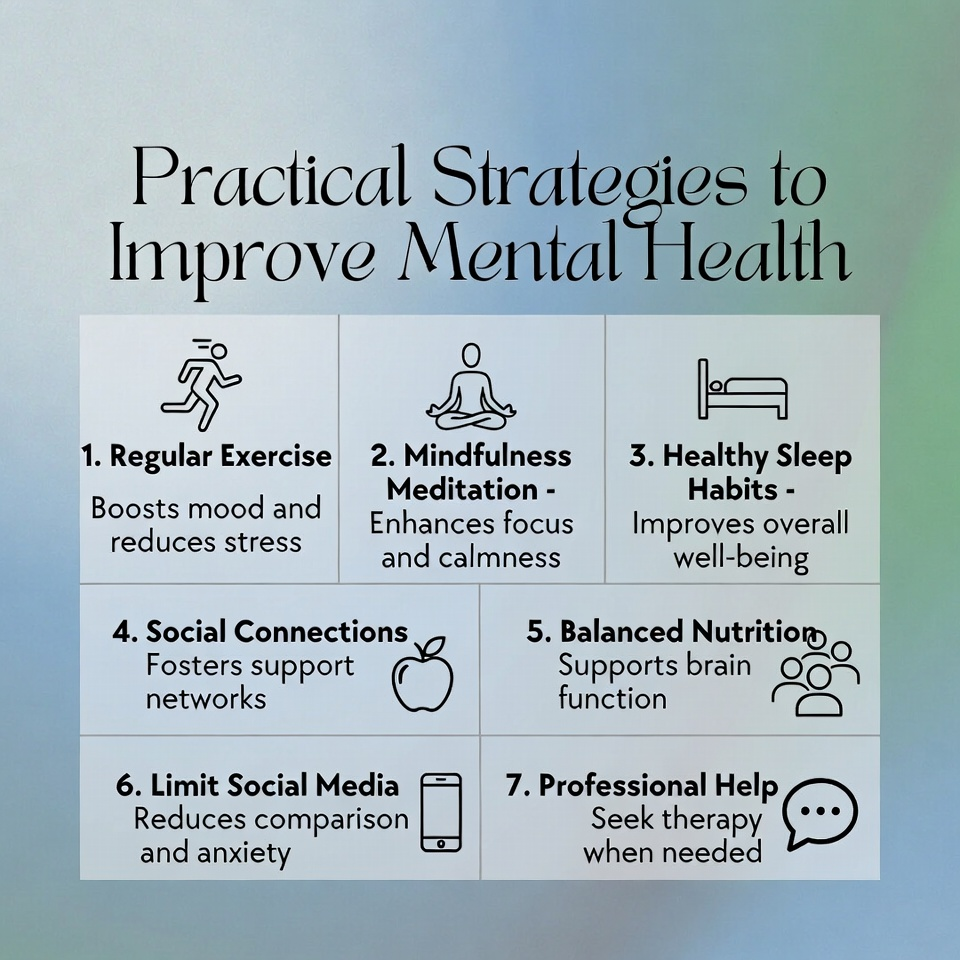
Improving mental health doesn’t require dramatic life changes. Small, consistent actions often create the most meaningful impact.

Think of mental health like physical fitness. You don’t build strength overnight—you build it through daily habits.

Effective strategies include:

  • Maintaining a consistent sleep schedule
  • Engaging in regular exercise
  • Practicing gratitude
  • Building supportive relationships
  • Setting realistic goals

Self-care isn’t indulgent. It’s maintenance. Just as you brush your teeth daily, mental hygiene requires regular attention.

Let’s explore specific methods in more detail.


Daily Habits That Strengthen Your Mind

Daily routines create stability. Simple habits like waking up at the same time, eating balanced meals, and scheduling relaxation periods provide structure.

Gratitude journaling can shift focus from what’s lacking to what’s present. Even noting three positive experiences daily can rewire thought patterns over time.

Limiting negative self-talk is equally powerful. Replace harsh inner criticism with balanced reflection.

Consistency matters more than intensity. Small actions, repeated daily, build mental resilience.


Mindfulness and Meditation

Mindfulness involves paying attention to the present moment without judgment. It reduces rumination—one of the key drivers of anxiety and depression.

Meditation strengthens attention control and emotional regulation. Even five to ten minutes daily can reduce stress levels.

Techniques include:

  • Deep breathing exercises
  • Body scans
  • Guided meditations
  • Progressive muscle relaxation

Over time, mindfulness creates mental space between thoughts and reactions. Instead of being swept away by emotions, you observe them.


Exercise and Nutrition

Exercise is one of the most powerful natural antidepressants available. Aerobic activity, strength training, and even walking release mood-enhancing chemicals.

Nutrition also affects neurotransmitter production. Omega-3 fatty acids, whole grains, leafy greens, and lean proteins support brain function.

Hydration matters too. Dehydration can worsen fatigue and irritability.

Taking care of your physical health directly supports emotional balance.


The Importance of Therapy and Professional Help

There comes a point when self-help strategies are not enough and that’s perfectly okay. Seeking professional support for mental health is not a last resort; it is a proactive and powerful step toward healing. Think of therapy as a gym for your mind. Just as a personal trainer helps strengthen your body safely and effectively, a therapist helps you build emotional strength, resilience, and clarity.

Therapy provides a structured, confidential space to explore thoughts, behaviors, and emotions without judgment. Many people hesitate because they believe their problems are not serious enough. But mental health care is not reserved only for crisis situations. You don’t need to be at your breaking point to benefit from guidance.

There are different types of therapy, including:

  • Cognitive Behavioral Therapy (CBT) Focuses on identifying and reshaping negative thought patterns
  • Psychodynamic Therapy Explores past experiences and unconscious influences
  • Humanistic Therapy Centers on self-growth and personal potential
  • Trauma-Focused Therapy Addresses past traumatic experiences

Medication may also be recommended in certain cases. Antidepressants, mood stabilizers, or anti-anxiety medications can help regulate brain chemistry when symptoms are severe. Medication does not change who you are it supports balance so you can function more effectively.

Professional help offers tools you may not discover alone. It teaches coping mechanisms, emotional regulation, and communication skills. Most importantly, it reminds you that you are not alone in your struggles.

Strength isn’t about enduring silently. It’s about recognizing when support can make the journey lighter.


Mental Health in Children and Teenagers
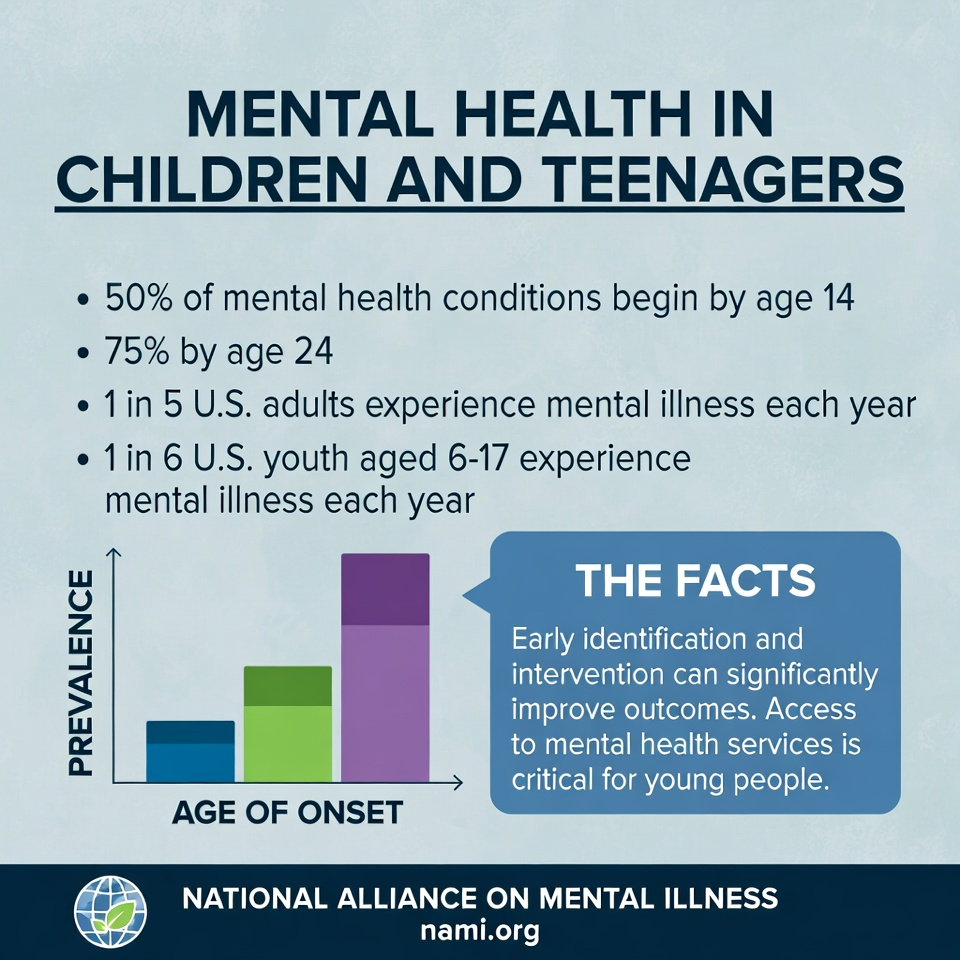
Mental health is not just an adult concern. In fact, many mental health conditions begin during childhood or adolescence. The early years shape emotional regulation, self-esteem, and coping skills that last into adulthood.

Children may not always have the vocabulary to explain how they feel. Instead, mental health challenges often appear through behavior. Irritability, withdrawal, academic decline, changes in sleep patterns, or sudden mood shifts can all be warning signs.

Teenagers face unique pressures:

  • Academic expectations
  • Social comparison
  • Identity development
  • Peer influence
  • Exposure to social media

Hormonal changes combined with environmental stress can intensify emotional responses. Anxiety and depression rates among adolescents have risen significantly in recent years, partly due to digital pressures and academic competition.

Parents and caregivers play a critical role in early intervention. Open communication is key. Instead of dismissing emotions as “just a phase,” listening without judgment fosters trust.

Schools also contribute to mental well-being. Programs that teach emotional intelligence, stress management, and conflict resolution can reduce long-term risk.

Early support makes a profound difference. When children learn healthy coping strategies early, they carry emotional resilience into adulthood. Mental health education should be as fundamental as math or science—because emotional literacy shapes every aspect of life.


Workplace Mental Health and Burnout Prevention
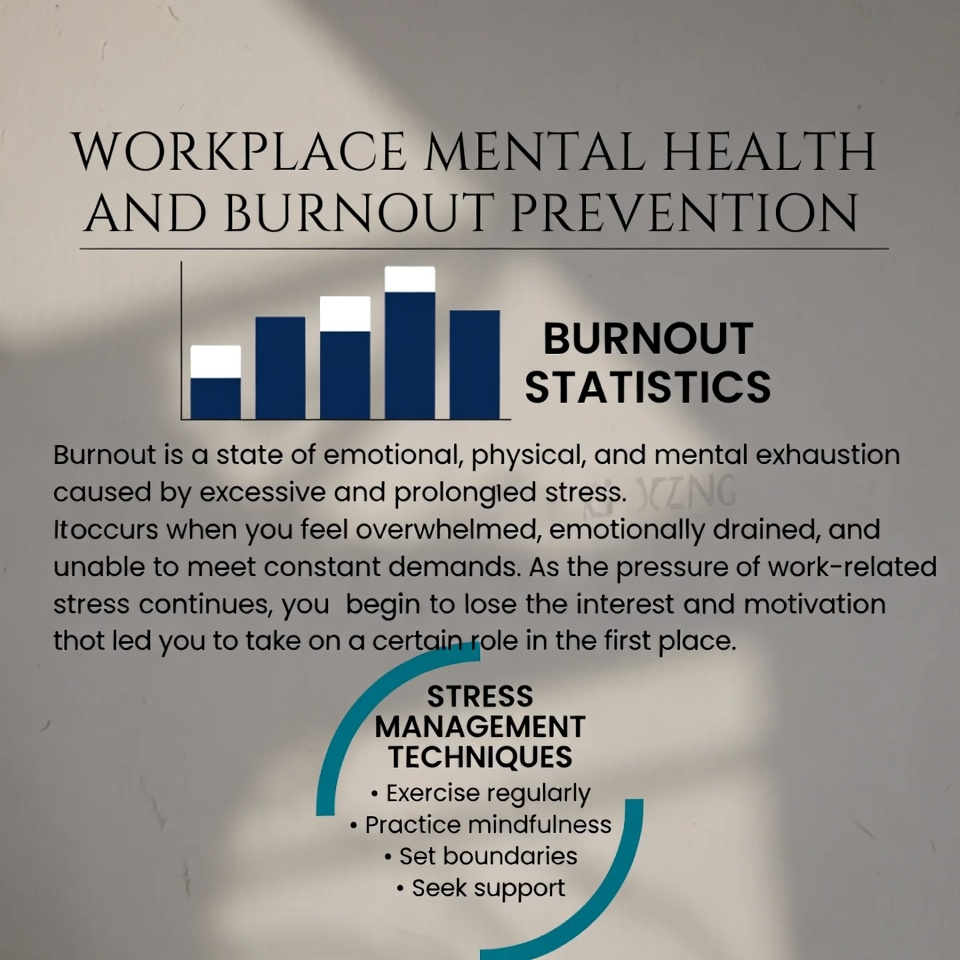
Work consumes a significant portion of our lives. When workplace stress becomes chronic, mental health inevitably suffers. Burnout, a state of emotional, physical, and mental exhaustion caused by prolonged stress, has become increasingly common.

Burnout is not simply being tired. It includes:

  • Emotional exhaustion
  • Reduced performance
  • Cynicism or detachment
  • Lack of motivation

High-pressure environments, long hours, unrealistic expectations, and poor management contribute heavily. Without boundaries, employees may feel constantly “on,” even outside office hours.

Preventing burnout requires both individual and organizational effort.

Individual strategies include:

  • Setting clear work-life boundaries
  • Taking regular breaks
  • Using vacation time
  • Prioritizing sleep
  • Communicating workload concerns

Organizational strategies include:

  • Promoting flexible schedules
  • Encouraging mental health days
  • Offering employee assistance programs
  • Fostering supportive leadership

Productivity thrives in environments where employees feel valued and supported. Mental well-being enhances creativity, collaboration, and innovation.

Work should challenge you—but it should not consume you. Sustainable success depends on protecting your mental energy as carefully as your physical stamina.


Breaking the Stigma Around Mental Health

Despite growing awareness, stigma around mental health still exists. Many people fear judgment if they admit struggling. Some worry about being labeled weak or unstable. This silence often prevents individuals from seeking help early.

Stigma thrives on misinformation. When mental health conditions are misunderstood, stereotypes develop. For example, people may assume depression is laziness or anxiety is overreacting. These misconceptions are harmful and inaccurate.

Breaking stigma begins with education. Understanding that mental health conditions are influenced by biology, environment, and psychology helps shift blame away from the individual.

Open conversations also make a difference. When public figures, community leaders, and everyday individuals share their experiences, it normalizes vulnerability. Talking about mental health should feel as natural as discussing physical health.

Here are ways to reduce stigma:

  • Use respectful, non-judgmental language
  • Avoid labeling or stereotyping
  • Encourage supportive dialogue
  • Share accurate information
  • Listen with empathy

Compassion changes culture. The more we treat mental health as a universal human experience, the less power stigma holds.

No one should feel ashamed for needing support. Seeking help is a sign of courage.


Building Emotional Resilience for Long-Term Well-Being

Life will always present challenges. Resilience doesn’t mean avoiding hardship—it means developing the strength to navigate it effectively.

Emotional resilience is the ability to adapt to stress, recover from setbacks, and maintain hope during difficult times. Think of it like a muscle. The more you practice coping skills, the stronger it becomes.

Key components of resilience include:

  • Optimism
  • Self-awareness
  • Flexibility
  • Problem-solving skills
  • Social support

Resilient individuals do not deny pain. Instead, they acknowledge it while believing in their ability to move forward.

Building resilience involves:

  1. Developing healthy coping strategies – such as journaling or exercise
  2. Strengthening relationships – support systems provide perspective
  3. Maintaining purpose – goals create motivation
  4. Practicing gratitude – focusing on positives builds emotional balance

Resilience doesn’t eliminate stress. It transforms your response to it. Instead of feeling overwhelmed by obstacles, you see them as temporary and manageable.

Over time, resilience creates mental durability—the capacity to bend without breaking.


Conclusion

Mental health is the silent foundation of every meaningful aspect of life. It influences how we think, feel, connect, and perform. It shapes our relationships, career paths, physical health, and sense of purpose.

Good mental health doesn’t mean constant happiness. It means balance. It means having the tools to navigate stress, cope with adversity, and build fulfilling relationships. It means recognizing when to rest and when to push forward.

From understanding common disorders to implementing daily self-care habits, mental health care is both preventative and restorative. Therapy, healthy routines, supportive communities, and open dialogue all play essential roles.

The mind is powerful—but it requires attention. Just as you care for your body, your mental well-being deserves consistent nurturing.

Prioritize it. Protect it. Strengthen it. Because when your mental health thrives, everything else becomes more manageable.


FAQs

1. What are the early signs of declining mental health?

Early signs may include persistent sadness, irritability, changes in sleep or appetite, difficulty concentrating, social withdrawal, and loss of motivation. Recognizing these symptoms early allows for timely intervention.

2. How can I improve my mental health naturally?

You can improve mental health by maintaining regular exercise, balanced nutrition, quality sleep, mindfulness practices, strong social connections, and structured daily routines.

3. When should someone seek professional help for mental health?

Professional help should be considered when symptoms persist for several weeks, interfere with daily functioning, or cause significant distress. Early support often leads to better outcomes.

4. Can physical exercise really help mental health?

Yes. Exercise releases endorphins, improves sleep, reduces stress hormones, and enhances self-esteem, all of which contribute positively to mental well-being.

5. Is mental health just as important as physical health?

Absolutely. Mental and physical health are interconnected. Poor mental health can lead to physical complications, and physical illness can impact emotional stability.


https://thewovenmind.com/wp-admin/post.php?post=470&action=edit

Leave a Reply

Your email address will not be published. Required fields are marked *

Share this content

Causes and Risk Factors of Mental Health Issues

Causes and risk factors of mental health issues are rarely have a single cause. Instead, they usually develop from a combination of biological, psychological, and environmental factors. Think of it like a puzzle each piece alone may not create a full picture, but together, they shape a person’s mental health experience.

Some individuals may have a genetic predisposition to certain mental health disorders. Others may develop challenges due to trauma, chronic stress, or long-term exposure to adverse environments. Life events such as divorce, job loss, financial strain, or grief can also trigger symptoms.

Risk factors don’t guarantee someone will develop a mental health condition. They simply increase vulnerability. Protective factors like strong relationships, healthy coping skills, and supportive communities can significantly reduce risk.

Here are common categories of contributing factors:

  • Genetics and brain chemistry
  • Childhood experiences
  • Chronic stress
  • Substance use
  • Social isolation
  • Medical conditions

Understanding these causes helps remove blame and shame. Mental health struggles are not moral failures. They are complex interactions between mind, body, and environment.

Let’s explore the major categories more closely.


Biological Factors

Causes and risk factors of mental health issues in Biology plays a substantial role in mental health. Genetics can influence how the brain processes chemicals like serotonin, dopamine, and norepinephrine—neurotransmitters that regulate mood and emotion.

If a close family member has depression, anxiety, or bipolar disorder, the likelihood of experiencing similar challenges increases. However, genetics alone do not determine destiny. Environment and lifestyle still matter greatly.

Brain structure and function can also impact mental health. For example, abnormalities in certain brain regions may influence emotional regulation or stress responses. Hormonal imbalances, thyroid issues, and chronic inflammation have also been linked to mood disorders.

Medical conditions such as:

  • Diabetes
  • Heart disease
  • Chronic pain
  • Neurological disorders

can increase the risk of mental health symptoms. Additionally, substance misuse can alter brain chemistry and trigger anxiety, depression, or psychosis.

Understanding biological factors reinforces the idea that mental health conditions are legitimate medical concerns. Just as diabetes involves insulin regulation, depression may involve neurotransmitter imbalances.

Biology sets the stage—but lifestyle and support determine much of the outcome.


Psychological Factors

Causes and risk factors of mental health issues Psychological influences often stem from early life experiences and personality traits. Childhood trauma, neglect, or emotional abuse can leave lasting effects on self-esteem and stress regulation.

Negative thought patterns also contribute. For example, consistently interpreting neutral situations as threatening can fuel anxiety. Persistent self-criticism can deepen depressive symptoms. Over time, these mental habits become automatic.

Common psychological risk factors include:

  • Low self-esteem
  • Perfectionism
  • Chronic pessimism
  • Difficulty regulating emotions
  • Poor coping skills

Cognitive distortions—such as black-and-white thinking or catastrophizing—can magnify stress. Therapy often focuses on identifying and reshaping these patterns.

Attachment style, developed in early childhood, also influences adult mental health. Insecure attachment may lead to fear of abandonment or difficulty trusting others.

The encouraging news? Psychological factors are often highly responsive to therapy and personal growth work. The brain is adaptable. New habits and thought patterns can be learned.


Social and Environmental Factors

Causes and risk factors of mental health issues in Environment shapes mental health more than we often acknowledge. Social determinants like income, education, neighborhood safety, and access to healthcare significantly impact emotional well-being.

Chronic stress from financial hardship, discrimination, or unstable housing can create ongoing anxiety. Social isolation—particularly in elderly populations—has been linked to depression and cognitive decline.

Environmental stressors include:

  • Workplace pressure
  • Relationship conflict
  • Bullying
  • Exposure to violence
  • Community instability

Cultural expectations also influence mental health. In some societies, emotional expression is discouraged, leading individuals to suppress feelings rather than seek support.

Technology has added another layer. Constant exposure to curated social media images can create unrealistic comparisons, lowering self-worth.

Supportive environments, however, act as protective buffers. Strong friendships, community engagement, and safe living conditions enhance resilience.

Your surroundings matter. The spaces and relationships you occupy influence how your mind feels each day.


The mind and body are not separate systems—they are deeply interconnected. When one suffers, the other often follows.

For example, chronic stress increases cortisol levels, which can weaken the immune system, disrupt sleep, and raise blood pressure. On the flip side, physical illnesses such as chronic pain or heart disease can increase the risk of depression.

Regular exercise has been shown to reduce symptoms of anxiety and depression. Why? Because movement releases endorphins—natural mood boosters. It also improves sleep, increases energy, and enhances self-esteem.

Nutrition plays a role too. Diets high in processed foods and sugar have been linked to mood instability, while balanced diets rich in whole foods support brain health.

Sleep is another major factor. Sleep deprivation affects concentration, emotional regulation, and stress tolerance. Even a few nights of poor sleep can amplify anxiety.

Here’s a quick comparison:

Physical Habit Mental Health Impact
Regular exercise Reduced anxiety and depression
Balanced diet Improved mood stability
Adequate sleep Better emotional regulation
Substance misuse Increased mental health risk

Caring for your body is one of the most practical ways to protect your mind. They operate as one integrated system.


The Role of Stress in Mental Health

Stress is unavoidable. In small doses, it can even be motivating. But chronic stress is one of the biggest threats to mental health.

When you encounter stress, your body activates the “fight or flight” response. Heart rate increases. Muscles tense. Cortisol levels rise. This response is helpful in short bursts but damaging when constantly activated.

Long-term stress can lead to:

  • Anxiety disorders
  • Depression
  • Burnout
  • Sleep disturbances
  • Irritability

Modern life exposes us to ongoing stressors—deadlines, financial obligations, social expectations, and constant connectivity. Unlike ancient threats, these pressures rarely disappear completely.

Managing stress involves both external and internal strategies:

  • Setting boundaries
  • Practicing relaxation techniques
  • Prioritizing time management
  • Engaging in hobbies
  • Seeking support

Mindfulness practices help calm the nervous system. Even simple breathing exercises can reduce physiological stress responses.

Stress itself isn’t the enemy. Unmanaged stress is. Learning how to recover from stress is just as important as handling it.


How Social Media and Technology Affect Mental Health

Technology has transformed how we communicate, learn, and entertain ourselves. But it has also introduced new mental health challenges.

Social media platforms often highlight curated, idealized versions of life. Constant comparison can lead to feelings of inadequacy. “Why is everyone else so successful? So happy? So fit?” These comparisons are rarely accurate—but they feel real.

Excessive screen time has been linked to:

  • Sleep disruption
  • Increased anxiety
  • Reduced attention span
  • Social isolation

Cyberbullying is another major concern, particularly for adolescents. Online harassment can significantly impact self-esteem and emotional safety.

However, technology is not inherently harmful. It can provide community, access to mental health resources, and connection across distances.

The key lies in intentional use:

  • Limit screen time before bed
  • Curate your feed carefully
  • Take regular digital detox breaks
  • Engage in offline activities

Technology should enhance your life—not control it.


Practical Strategies to Improve Mental Health

Improving mental health doesn’t require dramatic life changes. Small, consistent actions often create the most meaningful impact.

Think of mental health like physical fitness. You don’t build strength overnight—you build it through daily habits.

Effective strategies include:

  • Maintaining a consistent sleep schedule
  • Engaging in regular exercise
  • Practicing gratitude
  • Building supportive relationships
  • Setting realistic goals

Self-care isn’t indulgent. It’s maintenance. Just as you brush your teeth daily, mental hygiene requires regular attention.

Let’s explore specific methods in more detail.


Daily Habits That Strengthen Your Mind

Daily routines create stability. Simple habits like waking up at the same time, eating balanced meals, and scheduling relaxation periods provide structure.

Gratitude journaling can shift focus from what’s lacking to what’s present. Even noting three positive experiences daily can rewire thought patterns over time.

Limiting negative self-talk is equally powerful. Replace harsh inner criticism with balanced reflection.

Consistency matters more than intensity. Small actions, repeated daily, build mental resilience.


Mindfulness and Meditation

Mindfulness involves paying attention to the present moment without judgment. It reduces rumination—one of the key drivers of anxiety and depression.

Meditation strengthens attention control and emotional regulation. Even five to ten minutes daily can reduce stress levels.

Techniques include:

  • Deep breathing exercises
  • Body scans
  • Guided meditations
  • Progressive muscle relaxation

Over time, mindfulness creates mental space between thoughts and reactions. Instead of being swept away by emotions, you observe them.


Exercise and Nutrition

Exercise is one of the most powerful natural antidepressants available. Aerobic activity, strength training, and even walking release mood-enhancing chemicals.

Nutrition also affects neurotransmitter production. Omega-3 fatty acids, whole grains, leafy greens, and lean proteins support brain function.

Hydration matters too. Dehydration can worsen fatigue and irritability.

Taking care of your physical health directly supports emotional balance.


The Importance of Therapy and Professional Help

There comes a point when self-help strategies are not enough and that’s perfectly okay. Seeking professional support for mental health is not a last resort; it is a proactive and powerful step toward healing. Think of therapy as a gym for your mind. Just as a personal trainer helps strengthen your body safely and effectively, a therapist helps you build emotional strength, resilience, and clarity.

Therapy provides a structured, confidential space to explore thoughts, behaviors, and emotions without judgment. Many people hesitate because they believe their problems are not serious enough. But mental health care is not reserved only for crisis situations. You don’t need to be at your breaking point to benefit from guidance.

There are different types of therapy, including:

  • Cognitive Behavioral Therapy (CBT) Focuses on identifying and reshaping negative thought patterns
  • Psychodynamic Therapy Explores past experiences and unconscious influences
  • Humanistic Therapy Centers on self-growth and personal potential
  • Trauma-Focused Therapy Addresses past traumatic experiences

Medication may also be recommended in certain cases. Antidepressants, mood stabilizers, or anti-anxiety medications can help regulate brain chemistry when symptoms are severe. Medication does not change who you are it supports balance so you can function more effectively.

Professional help offers tools you may not discover alone. It teaches coping mechanisms, emotional regulation, and communication skills. Most importantly, it reminds you that you are not alone in your struggles.

Strength isn’t about enduring silently. It’s about recognizing when support can make the journey lighter.


Mental Health in Children and Teenagers

Mental health is not just an adult concern. In fact, many mental health conditions begin during childhood or adolescence. The early years shape emotional regulation, self-esteem, and coping skills that last into adulthood.

Children may not always have the vocabulary to explain how they feel. Instead, mental health challenges often appear through behavior. Irritability, withdrawal, academic decline, changes in sleep patterns, or sudden mood shifts can all be warning signs.

Teenagers face unique pressures:

  • Academic expectations
  • Social comparison
  • Identity development
  • Peer influence
  • Exposure to social media

Hormonal changes combined with environmental stress can intensify emotional responses. Anxiety and depression rates among adolescents have risen significantly in recent years, partly due to digital pressures and academic competition.

Parents and caregivers play a critical role in early intervention. Open communication is key. Instead of dismissing emotions as “just a phase,” listening without judgment fosters trust.

Schools also contribute to mental well-being. Programs that teach emotional intelligence, stress management, and conflict resolution can reduce long-term risk.

Early support makes a profound difference. When children learn healthy coping strategies early, they carry emotional resilience into adulthood. Mental health education should be as fundamental as math or science—because emotional literacy shapes every aspect of life.


Workplace Mental Health and Burnout Prevention

Work consumes a significant portion of our lives. When workplace stress becomes chronic, mental health inevitably suffers. Burnout, a state of emotional, physical, and mental exhaustion caused by prolonged stress, has become increasingly common.

Burnout is not simply being tired. It includes:

  • Emotional exhaustion
  • Reduced performance
  • Cynicism or detachment
  • Lack of motivation

High-pressure environments, long hours, unrealistic expectations, and poor management contribute heavily. Without boundaries, employees may feel constantly “on,” even outside office hours.

Preventing burnout requires both individual and organizational effort.

Individual strategies include:

  • Setting clear work-life boundaries
  • Taking regular breaks
  • Using vacation time
  • Prioritizing sleep
  • Communicating workload concerns

Organizational strategies include:

  • Promoting flexible schedules
  • Encouraging mental health days
  • Offering employee assistance programs
  • Fostering supportive leadership

Productivity thrives in environments where employees feel valued and supported. Mental well-being enhances creativity, collaboration, and innovation.

Work should challenge you—but it should not consume you. Sustainable success depends on protecting your mental energy as carefully as your physical stamina.


Breaking the Stigma Around Mental Health

Despite growing awareness, stigma around mental health still exists. Many people fear judgment if they admit struggling. Some worry about being labeled weak or unstable. This silence often prevents individuals from seeking help early.

Stigma thrives on misinformation. When mental health conditions are misunderstood, stereotypes develop. For example, people may assume depression is laziness or anxiety is overreacting. These misconceptions are harmful and inaccurate.

Breaking stigma begins with education. Understanding that mental health conditions are influenced by biology, environment, and psychology helps shift blame away from the individual.

Open conversations also make a difference. When public figures, community leaders, and everyday individuals share their experiences, it normalizes vulnerability. Talking about mental health should feel as natural as discussing physical health.

Here are ways to reduce stigma:

  • Use respectful, non-judgmental language
  • Avoid labeling or stereotyping
  • Encourage supportive dialogue
  • Share accurate information
  • Listen with empathy

Compassion changes culture. The more we treat mental health as a universal human experience, the less power stigma holds.

No one should feel ashamed for needing support. Seeking help is a sign of courage.


Building Emotional Resilience for Long-Term Well-Being

Life will always present challenges. Resilience doesn’t mean avoiding hardship—it means developing the strength to navigate it effectively.

Emotional resilience is the ability to adapt to stress, recover from setbacks, and maintain hope during difficult times. Think of it like a muscle. The more you practice coping skills, the stronger it becomes.

Key components of resilience include:

  • Optimism
  • Self-awareness
  • Flexibility
  • Problem-solving skills
  • Social support

Resilient individuals do not deny pain. Instead, they acknowledge it while believing in their ability to move forward.

Building resilience involves:

  1. Developing healthy coping strategies – such as journaling or exercise
  2. Strengthening relationships – support systems provide perspective
  3. Maintaining purpose – goals create motivation
  4. Practicing gratitude – focusing on positives builds emotional balance

Resilience doesn’t eliminate stress. It transforms your response to it. Instead of feeling overwhelmed by obstacles, you see them as temporary and manageable.

Over time, resilience creates mental durability—the capacity to bend without breaking.


Conclusion

Mental health is the silent foundation of every meaningful aspect of life. It influences how we think, feel, connect, and perform. It shapes our relationships, career paths, physical health, and sense of purpose.

Good mental health doesn’t mean constant happiness. It means balance. It means having the tools to navigate stress, cope with adversity, and build fulfilling relationships. It means recognizing when to rest and when to push forward.

From understanding common disorders to implementing daily self-care habits, mental health care is both preventative and restorative. Therapy, healthy routines, supportive communities, and open dialogue all play essential roles.

The mind is powerful—but it requires attention. Just as you care for your body, your mental well-being deserves consistent nurturing.

Prioritize it. Protect it. Strengthen it. Because when your mental health thrives, everything else becomes more manageable.


FAQs

1. What are the early signs of declining mental health?

Early signs may include persistent sadness, irritability, changes in sleep or appetite, difficulty concentrating, social withdrawal, and loss of motivation. Recognizing these symptoms early allows for timely intervention.

2. How can I improve my mental health naturally?

You can improve mental health by maintaining regular exercise, balanced nutrition, quality sleep, mindfulness practices, strong social connections, and structured daily routines.

3. When should someone seek professional help for mental health?

Professional help should be considered when symptoms persist for several weeks, interfere with daily functioning, or cause significant distress. Early support often leads to better outcomes.

4. Can physical exercise really help mental health?

Yes. Exercise releases endorphins, improves sleep, reduces stress hormones, and enhances self-esteem, all of which contribute positively to mental well-being.

5. Is mental health just as important as physical health?

Absolutely. Mental and physical health are interconnected. Poor mental health can lead to physical complications, and physical illness can impact emotional stability.


https://thewovenmind.com/wp-admin/post.php?post=470&action=edit

Leave a Reply

Your email address will not be published. Required fields are marked *

Post Author

Jordan Frank

It is a long established fact that a reader will be distracted by the readable content of a page when looking at its layout.

Recent Post

Top Categories

Tags