
News

Psychotherapy. You’ve probably heard the word. Maybe you’ve even thought about trying it. But what exactly is it? Is it just talking about your problems? Or is there something deeper happening behind that quiet office door?

Let’s break it down in simple words. No complicated jargon. Just real talk about talk therapy.


What Is Psychotherapy?

Definition and Core Concept

Psychotherapy is a structured conversation between a trained therapist and a client aimed at improving mental health, emotional well-being, and behavior. It’s not random chatting. It’s purposeful, guided, and based on psychological science.

Think of it like going to the gym—but for your mind. Just as physical exercise strengthens your body, psychotherapy strengthens your thoughts, emotions, and coping skills.

Why It Is Called Talk Therapy

It’s often called “talk therapy” because the main tool used is conversation. But don’t mistake it for casual talking. These conversations are intentional. They uncover patterns, challenge negative thinking, and help you build healthier habits.

Words, when used correctly, can heal.


The History and Evolution of Psychotherapy
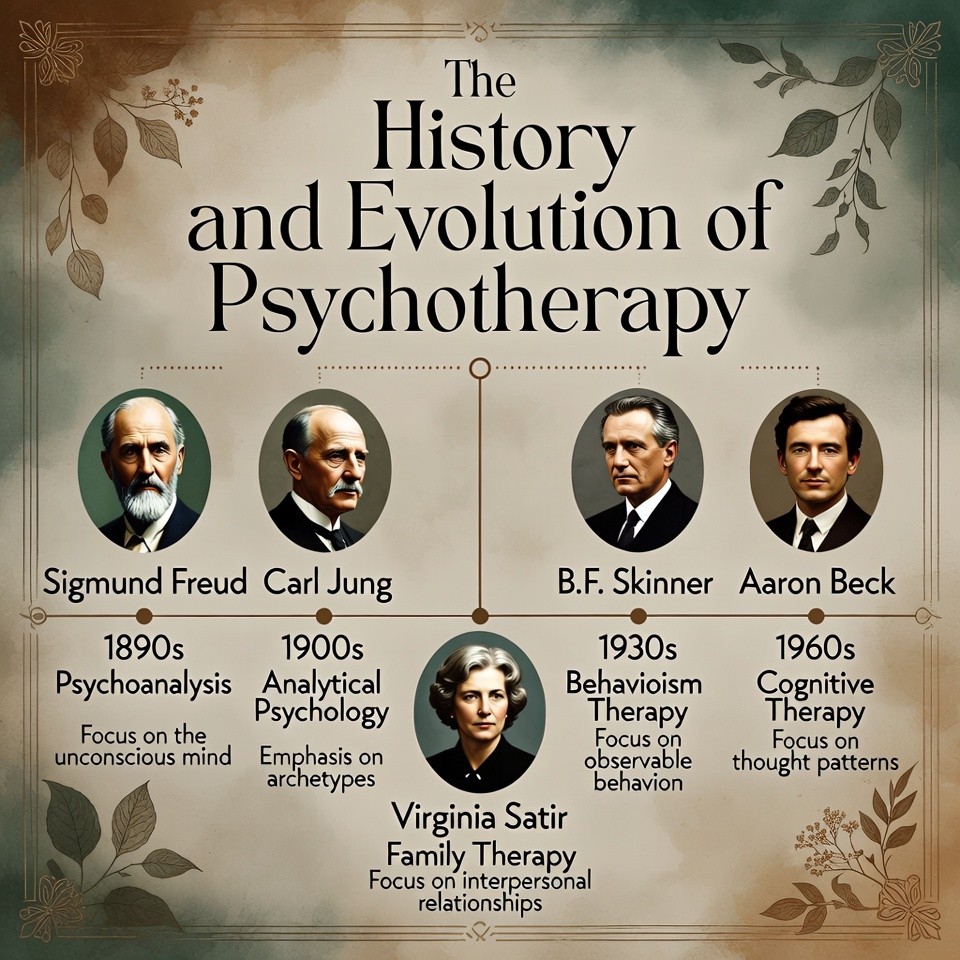
Early Foundations

Psychotherapy started with Sigmund Freud in the late 19th century. He believed that unconscious thoughts influence behavior. His method, psychoanalysis, involved exploring childhood memories and dreams.

Back then, therapy focused heavily on the past.

Modern Developments

Today, psychotherapy is more practical and evidence-based. Approaches like Cognitive Behavioral Therapy (CBT) focus on present thoughts and behaviors. Modern therapy is more structured, shorter-term, and goal-oriented.

It has evolved from long couch sessions to solution-focused conversations.


How Psychotherapy Works

The Therapeutic Relationship

The relationship between therapist and client is the foundation. Trust is everything. Without it, therapy doesn’t work.

A good therapist provides a safe, non-judgmental space. You can speak freely. No filters. No fear.

The Role of Communication

Communication in therapy goes beyond words.

Active Listening

Therapists listen deeply. Not just to respond—but to understand. They notice tone, pauses, body language.

Emotional Validation

Ever felt like no one truly understands you? In therapy, your emotions are validated. You feel heard. That alone can be powerful.


Types of Psychotherapy

There isn’t just one type of therapy. Different problems require different tools.

Cognitive Behavioral Therapy (CBT)

CBT focuses on identifying and changing negative thought patterns. If your mind is like a computer, CBT helps you update faulty software.

It’s highly effective for anxiety, depression, and stress.

Psychodynamic Therapy

This approach explores unconscious patterns rooted in childhood. It helps you understand why you behave the way you do.

It connects the dots between past and present.

Humanistic Therapy

Humanistic therapy focuses on personal growth and self-acceptance. It believes you have the potential to heal yourself—with the right support.

Behavioral Therapy

This method focuses on changing unhealthy behaviors through reinforcement strategies. It’s often used for phobias and addictions.

Integrative Therapy

Some therapists combine multiple approaches. They tailor therapy according to your needs.

Because no two people are the same.


Who Needs Psychotherapy?

Common Mental Health Conditions

Psychotherapy is helpful for:

  • Depression
  • Anxiety disorders
  • PTSD
  • OCD
  • Eating disorders
  • Personality disorders

Everyday Life Challenges

You don’t need a diagnosis to seek therapy.

Struggling with relationships? Career stress? Low self-esteem? Grief? Therapy helps with everyday life too.

You don’t have to be “broken” to seek support.


Benefits of Psychotherapy

Emotional Benefits

  • Improved mood
  • Reduced anxiety
  • Better emotional regulation

You learn how to manage feelings instead of being controlled by them.

Behavioral Benefits

Therapy helps you break harmful habits. You replace unhealthy coping strategies with healthier ones.

Relationship Benefits

When you understand yourself better, your relationships improve. Communication becomes clearer. Boundaries become stronger.


What Happens in a Therapy Session?

First Session Expectations

The first session is about understanding your concerns. The therapist asks questions about your history, goals, and expectations.

It may feel uncomfortable at first. That’s normal.

Ongoing Sessions

Future sessions focus on strategies, reflection, and progress. You might receive exercises or homework.

Yes—therapy sometimes gives homework!


How Long Does Psychotherapy Take?

It depends.

Some people benefit from 6–12 sessions. Others may continue for months or years.

It’s not a race. Healing takes time.


Online vs. In-Person Therapy

Online therapy has grown rapidly. It offers convenience and privacy. In-person therapy offers deeper personal connection.

Both can be effective. The choice depends on comfort and accessibility.


Myths and Misconceptions About Psychotherapy

Let’s clear some common myths:

  • Therapy is only for “crazy” people. (False.)
  • Talking about problems makes them worse. (False.)
  • Therapists give direct advice. (Not always.)

Therapy empowers you to find your own solutions.


How to Choose the Right Therapist

Qualifications to Look For

Look for licensed professionals with proper credentials in psychology, counseling, or psychiatry.

Questions to Ask

  • What is your specialization?
  • What therapy approach do you use?
  • How long are sessions?

Finding the right therapist is like finding the right pair of shoes—it needs to fit comfortably.


The Cost of Psychotherapy

Costs vary depending on location and therapist experience. Some insurance plans cover therapy. Many therapists offer sliding scale fees.

Consider it an investment in your mental health.


Is Psychotherapy Effective?

Research consistently shows that psychotherapy is effective for many mental health conditions. In many cases, it works as well as medication—sometimes even better long-term.

The key factor? Commitment.


Self-Help vs. Professional Therapy

Self-help books and videos are useful. But they can’t replace personalized therapy.

It’s like reading about swimming versus jumping into the pool with a coach.


When to Seek Immediate Help

If someone experiences:

  • Suicidal thoughts
  • Severe panic attacks
  • Hallucinations
  • Risk of harming self or others

Immediate professional help is necessary.

Mental health emergencies are real.


Conclusion

Psychotherapy is more than just talking. It’s a structured, evidence-based process that helps you understand yourself, heal emotional wounds, and build healthier patterns.

Life can feel overwhelming. Sometimes, your mind feels like a tangled knot. Therapy helps untangle it—thread by thread.

Seeking help isn’t weakness. It’s strength.

And maybe the bravest thing you can do is say, “I need support.”


FAQs

1. Is psychotherapy the same as counseling?

They are similar, but psychotherapy often focuses deeper on emotional patterns and long-term mental health issues.

2. How do I know if therapy is working?

You may notice improved mood, better coping skills, and healthier relationships over time.

3. Can therapy replace medication?

In some cases, yes. But sometimes therapy and medication work best together.

4. Is everything I say confidential?

Yes, with rare legal exceptions involving safety risks.

5. Can I stop therapy anytime?

Yes. Therapy is voluntary. You can discuss ending sessions whenever you feel ready.

https://thewovenmind.com/wp-admin/edit.php?action=rank_math_instant_index_post&index_post_id=456&method=bing_submit&_wpnonce=4513a20fd1

https://thewovenmind.com/wp-admin/edit.php?action=rank_math_instant_index_post&index_post_id=437&method=bing_submit&_wpnonce=4513a20fd1

Leave a Reply

Your email address will not be published. Required fields are marked *

Share this content

Psychotherapy Through Talk Therapy


Psychotherapy. You’ve probably heard the word. Maybe you’ve even thought about trying it. But what exactly is it? Is it just talking about your problems? Or is there something deeper happening behind that quiet office door?

Let’s break it down in simple words. No complicated jargon. Just real talk about talk therapy.


What Is Psychotherapy?

Definition and Core Concept

Psychotherapy is a structured conversation between a trained therapist and a client aimed at improving mental health, emotional well-being, and behavior. It’s not random chatting. It’s purposeful, guided, and based on psychological science.

Think of it like going to the gym—but for your mind. Just as physical exercise strengthens your body, psychotherapy strengthens your thoughts, emotions, and coping skills.

Why It Is Called Talk Therapy

It’s often called “talk therapy” because the main tool used is conversation. But don’t mistake it for casual talking. These conversations are intentional. They uncover patterns, challenge negative thinking, and help you build healthier habits.

Words, when used correctly, can heal.


The History and Evolution of Psychotherapy
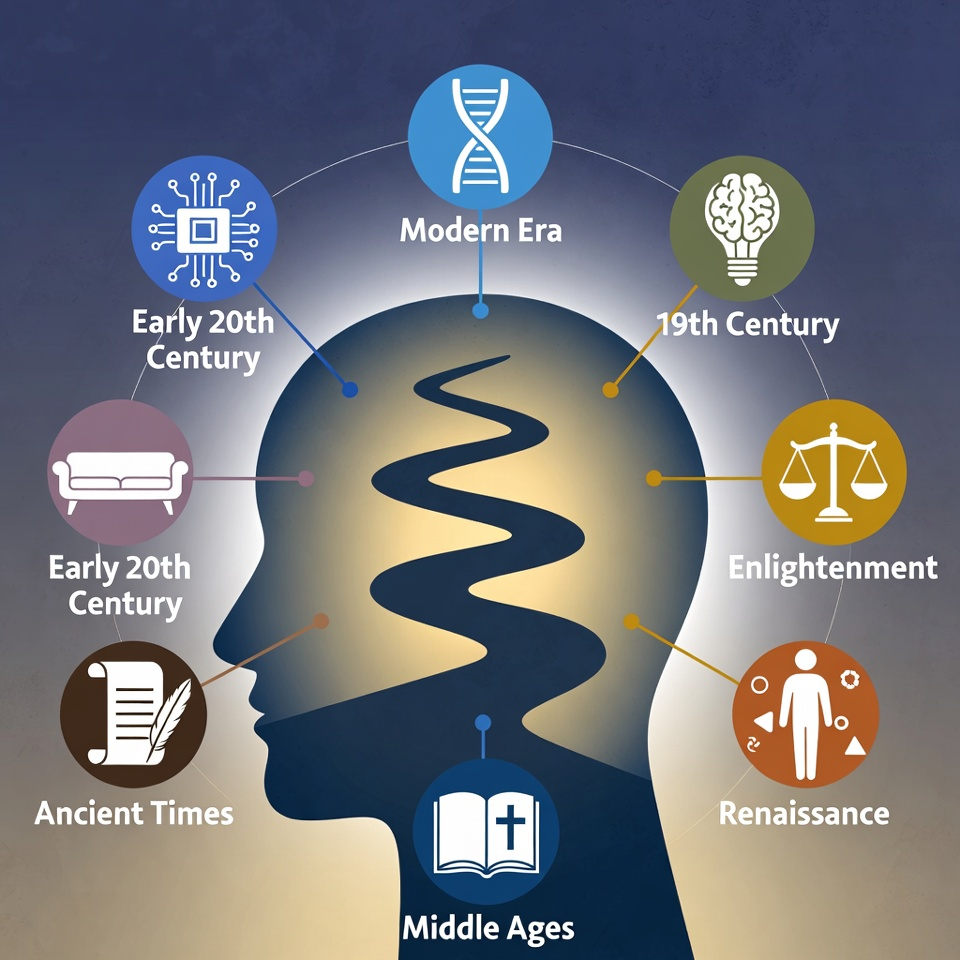
Early Foundations

Psychotherapy started with Sigmund Freud in the late 19th century. He believed that unconscious thoughts influence behavior. His method, psychoanalysis, involved exploring childhood memories and dreams.

Back then, therapy focused heavily on the past.

Modern Developments

Today, psychotherapy is more practical and evidence-based. Approaches like Cognitive Behavioral Therapy (CBT) focus on present thoughts and behaviors. Modern therapy is more structured, shorter-term, and goal-oriented.

It has evolved from long couch sessions to solution-focused conversations.


How Psychotherapy Works

The Therapeutic Relationship

The relationship between therapist and client is the foundation. Trust is everything. Without it, therapy doesn’t work.

A good therapist provides a safe, non-judgmental space. You can speak freely. No filters. No fear.

The Role of Communication

Communication in therapy goes beyond words.

Active Listening

Therapists listen deeply. Not just to respond—but to understand. They notice tone, pauses, body language.

Emotional Validation

Ever felt like no one truly understands you? In therapy, your emotions are validated. You feel heard. That alone can be powerful.


Types of Psychotherapy
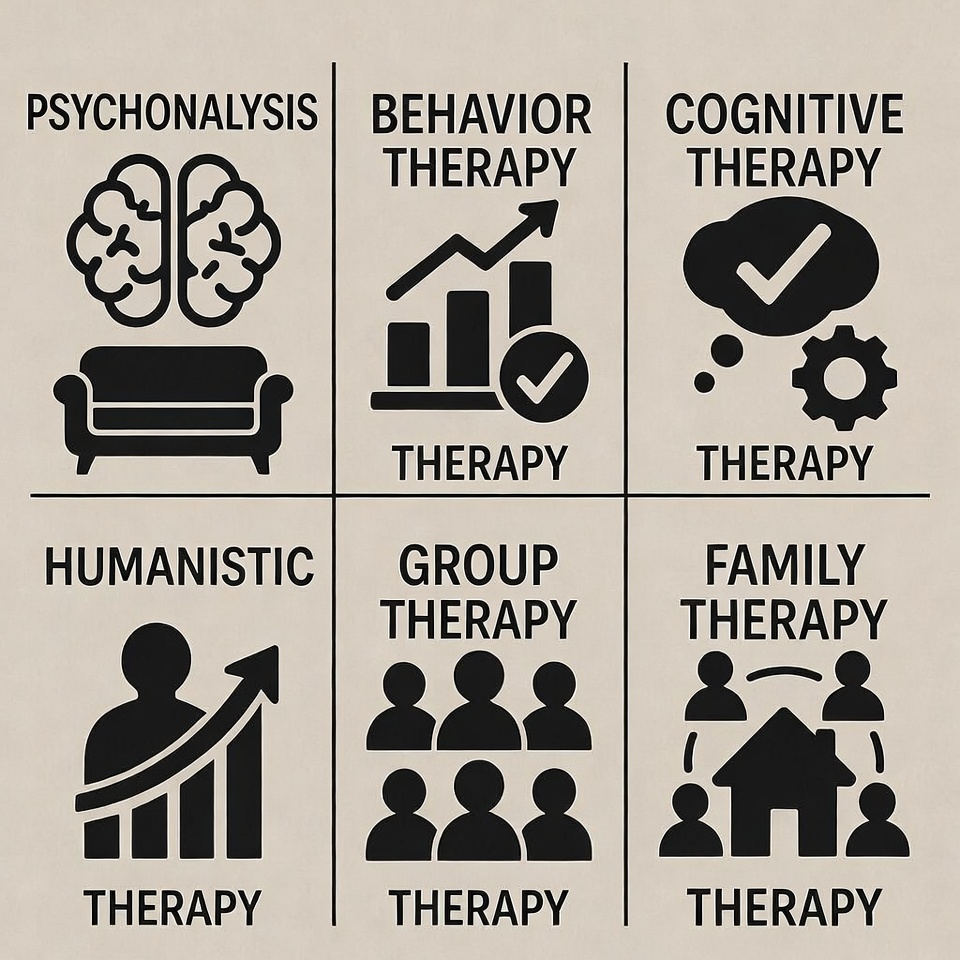
There isn’t just one type of therapy. Different problems require different tools.

Cognitive Behavioral Therapy (CBT)

CBT focuses on identifying and changing negative thought patterns. If your mind is like a computer, CBT helps you update faulty software.

It’s highly effective for anxiety, depression, and stress.

Psychodynamic Therapy

This approach explores unconscious patterns rooted in childhood. It helps you understand why you behave the way you do.

It connects the dots between past and present.

Humanistic Therapy

Humanistic therapy focuses on personal growth and self-acceptance. It believes you have the potential to heal yourself—with the right support.

Behavioral Therapy

This method focuses on changing unhealthy behaviors through reinforcement strategies. It’s often used for phobias and addictions.

Integrative Therapy

Some therapists combine multiple approaches. They tailor therapy according to your needs.

Because no two people are the same.


Who Needs Psychotherapy?

Common Mental Health Conditions

Psychotherapy is helpful for:

  • Depression
  • Anxiety disorders
  • PTSD
  • OCD
  • Eating disorders
  • Personality disorders

Everyday Life Challenges

You don’t need a diagnosis to seek therapy.

Struggling with relationships? Career stress? Low self-esteem? Grief? Therapy helps with everyday life too.

You don’t have to be “broken” to seek support.


Benefits of Psychotherapy

Emotional Benefits

  • Improved mood
  • Reduced anxiety
  • Better emotional regulation

You learn how to manage feelings instead of being controlled by them.

Behavioral Benefits

Therapy helps you break harmful habits. You replace unhealthy coping strategies with healthier ones.

Relationship Benefits

When you understand yourself better, your relationships improve. Communication becomes clearer. Boundaries become stronger.


What Happens in a Therapy Session?

First Session Expectations

The first session is about understanding your concerns. The therapist asks questions about your history, goals, and expectations.

It may feel uncomfortable at first. That’s normal.

Ongoing Sessions

Future sessions focus on strategies, reflection, and progress. You might receive exercises or homework.

Yes—therapy sometimes gives homework!


How Long Does Psychotherapy Take?

It depends.

Some people benefit from 6–12 sessions. Others may continue for months or years.

It’s not a race. Healing takes time.


Online vs. In-Person Therapy

Online therapy has grown rapidly. It offers convenience and privacy. In-person therapy offers deeper personal connection.

Both can be effective. The choice depends on comfort and accessibility.


Myths and Misconceptions About Psychotherapy

Let’s clear some common myths:

  • Therapy is only for “crazy” people. (False.)
  • Talking about problems makes them worse. (False.)
  • Therapists give direct advice. (Not always.)

Therapy empowers you to find your own solutions.


How to Choose the Right Therapist

Qualifications to Look For

Look for licensed professionals with proper credentials in psychology, counseling, or psychiatry.

Questions to Ask

  • What is your specialization?
  • What therapy approach do you use?
  • How long are sessions?

Finding the right therapist is like finding the right pair of shoes—it needs to fit comfortably.


The Cost of Psychotherapy

Costs vary depending on location and therapist experience. Some insurance plans cover therapy. Many therapists offer sliding scale fees.

Consider it an investment in your mental health.


Is Psychotherapy Effective?

Research consistently shows that psychotherapy is effective for many mental health conditions. In many cases, it works as well as medication—sometimes even better long-term.

The key factor? Commitment.


Self-Help vs. Professional Therapy

Self-help books and videos are useful. But they can’t replace personalized therapy.

It’s like reading about swimming versus jumping into the pool with a coach.


When to Seek Immediate Help

If someone experiences:

  • Suicidal thoughts
  • Severe panic attacks
  • Hallucinations
  • Risk of harming self or others

Immediate professional help is necessary.

Mental health emergencies are real.


Conclusion

Psychotherapy is more than just talking. It’s a structured, evidence-based process that helps you understand yourself, heal emotional wounds, and build healthier patterns.

Life can feel overwhelming. Sometimes, your mind feels like a tangled knot. Therapy helps untangle it—thread by thread.

Seeking help isn’t weakness. It’s strength.

And maybe the bravest thing you can do is say, “I need support.”


FAQs

1. Is psychotherapy the same as counseling?

They are similar, but psychotherapy often focuses deeper on emotional patterns and long-term mental health issues.

2. How do I know if therapy is working?

You may notice improved mood, better coping skills, and healthier relationships over time.

3. Can therapy replace medication?

In some cases, yes. But sometimes therapy and medication work best together.

4. Is everything I say confidential?

Yes, with rare legal exceptions involving safety risks.

5. Can I stop therapy anytime?

Yes. Therapy is voluntary. You can discuss ending sessions whenever you feel ready.

https://thewovenmind.com/wp-admin/edit.php?action=rank_math_instant_index_post&index_post_id=456&method=bing_submit&_wpnonce=4513a20fd1

https://thewovenmind.com/wp-admin/edit.php?action=rank_math_instant_index_post&index_post_id=437&method=bing_submit&_wpnonce=4513a20fd1

Leave a Reply

Your email address will not be published. Required fields are marked *

Post Author

Jordan Frank

It is a long established fact that a reader will be distracted by the readable content of a page when looking at its layout.

Recent Post

Top Categories

Tags