
 By SAIMA KHAN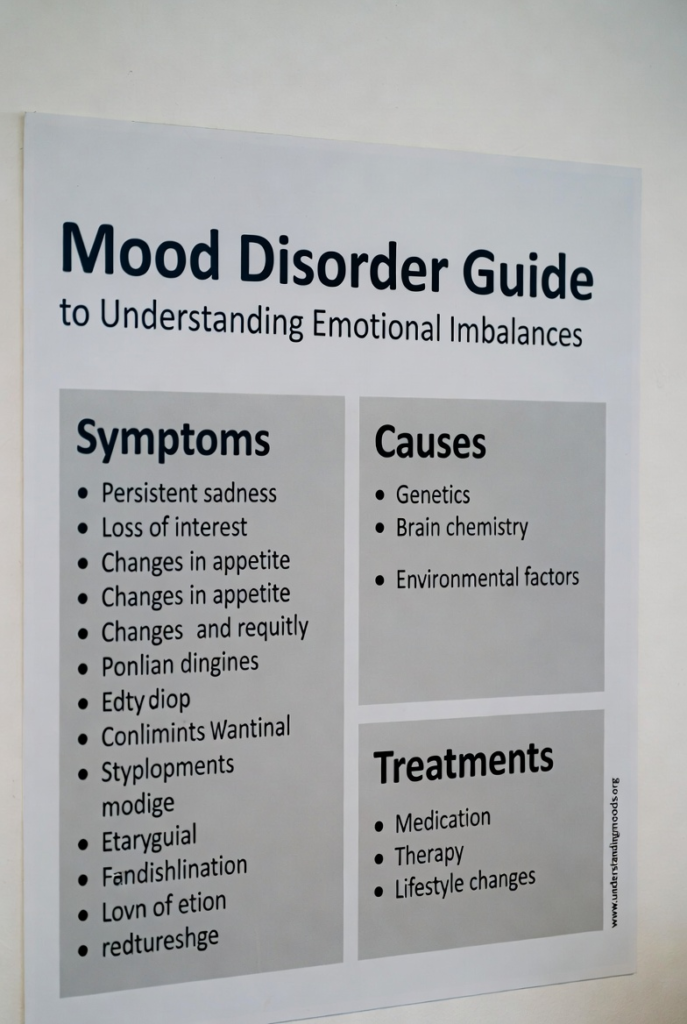
Introduction to Mood Disorder
Mood Disorder Guide to Understanding Emotional Imbalances . Mood disorders are more than just feeling sad on a bad day or excited when something good happens. They represent a deeper, often persistent disruption in how a person feels, thinks, and experiences life. Imagine your emotional thermostat being stuck on extreme heat or cold, no matter what the weather outside looks like. That’s how a mood disorder can feel—intense, confusing, and difficult to control.
In today’s fast-paced, always-connected world, conversations about mental health are becoming more common, and that’s a good thing. Mood disorders affect millions of people globally, cutting across age, gender, culture, and socioeconomic background. Yet, despite how common they are, they’re still widely misunderstood. Many people struggle in silence, unsure whether what they’re experiencing is “serious enough” to seek help or fearing judgment from others.
This guide is designed to break down mood disorders in a clear, relatable, and human way. We’ll explore what mood disorders really are, why they happen, how they show up in everyday life, and—most importantly—what can be done about them. Whether you’re experiencing symptoms yourself, supporting someone you care about, or simply trying to learn more, this article aims to give you practical knowledge and a sense of reassurance. You’re not alone, and understanding is the first step toward healing.
Understanding Mood and Emotional Regulation

The Science Behind Mood
Mood is like the background music of your life. Sometimes it’s upbeat and energizing, other times slow and heavy. Scientifically speaking, mood is influenced by a complex interaction between brain chemistry, neural circuits, hormones, and life experiences. Neurotransmitters such as serotonin, dopamine, and norepinephrine play a major role in regulating emotions, motivation, and pleasure. When these chemical messengers are out of balance, mood regulation can go off track.
But mood isn’t just about chemicals. The brain regions responsible for emotion, such as the amygdala and prefrontal cortex, also shape how we process stress, interpret events, and respond emotionally. Add genetics into the mix, and you begin to see why mood can be so deeply personal and, at times, unpredictable. Some people are biologically more sensitive to emotional shifts, making them more vulnerable to mood disorders.
Understanding the science behind mood helps remove blame. A mood disorder is not a weakness or a character flaw. It’s a legitimate health condition rooted in biology and brain function, influenced by life circumstances. When we look at mood through this lens, compassion replaces judgment, both for ourselves and for others.
How Mood Impacts Daily Life
Mood affects nearly every aspect of daily living. It shapes how you wake up in the morning, how you interact with people, how productive you feel, and even how your body feels physically. When mood is stable, life feels manageable. When it’s not, even simple tasks—like getting dressed or answering a text—can feel overwhelming.
Persistent low mood can drain energy, cloud thinking, and make the world seem dull or hopeless. On the flip side, elevated or irritable moods can lead to impulsive decisions, strained relationships, and burnout. Over time, unmanaged mood issues can disrupt sleep, appetite, concentration, and self-esteem. This ripple effect is why mood disorders are not just “emotional problems” but whole-life challenges that deserve attention and care.
What Is a Mood Disorder?
Clinical Definition
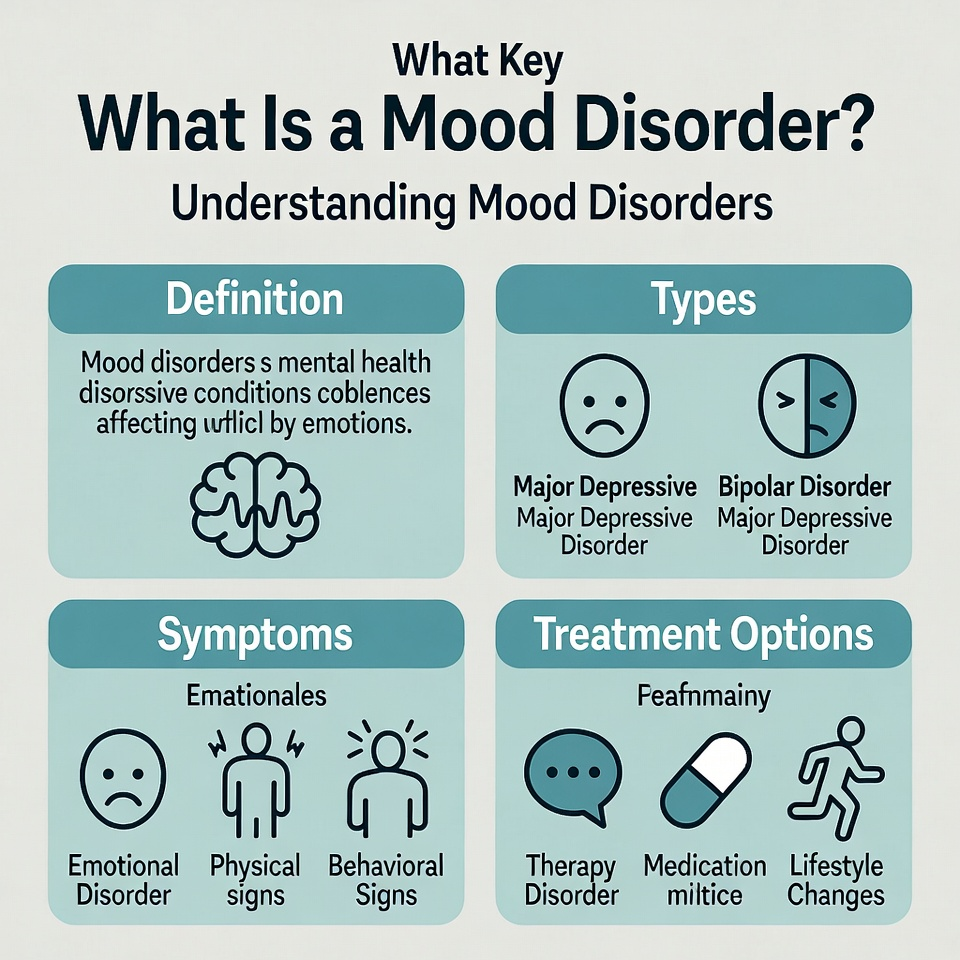
A mood disorder is a mental health condition characterized by a significant and persistent disturbance in a person’s emotional state. This disturbance goes beyond typical mood fluctuations and interferes with daily functioning. Clinically, mood disorders are diagnosed based on specific criteria related to the duration, intensity, and impact of mood symptoms.
These disorders may involve episodes of depression, episodes of elevated or irritable mood, or a combination of both. The key factor is persistence. Everyone feels sad, happy, or stressed at times. A mood disorder is present when these feelings stick around, intensify, and start affecting work, relationships, and overall quality of life.
Difference Between Normal Mood Changes and Disorders
It’s normal to feel down after a loss or excited about a new opportunity. These reactions are part of being human. The difference with mood disorders lies in scale and duration. Normal mood changes are usually temporary and tied to specific events. Mood disorders often appear without a clear trigger or last long after the situation has passed.
Another important difference is control. With a mood disorder, emotions can feel hijacked, as if they’re happening to you rather than being something you can manage. Recognizing this difference can help people seek help sooner instead of dismissing their struggles as “just a phase.”
Types of Mood Disorders


Major Depressive Disorder
Major depressive disorder is one of the most commonly diagnosed mood disorders. It involves persistent feelings of sadness, emptiness, or hopelessness that last for weeks or months. People with depression often lose interest in activities they once enjoyed and may struggle with motivation, concentration, and self-worth.
Emotional Symptoms
Emotionally, depression can feel like carrying a heavy weight that never lifts. There may be overwhelming sadness, guilt, or feelings of worthlessness. Many people describe feeling numb, as if their emotional range has been flattened.
Physical and Cognitive Symptoms
Depression isn’t just emotional. It often comes with physical symptoms like fatigue, changes in sleep or appetite, and unexplained aches and pains. Cognitively, negative thinking patterns take over, making it hard to see hope or imagine a better future.
Bipolar Disorder
Bipolar disorder is characterized by dramatic shifts in mood, energy, and activity levels. These shifts include episodes of depression and episodes of mania or hypomania.
Bipolar I Disorder
Bipolar I involves full manic episodes that may require hospitalization. During mania, individuals may feel euphoric, overly confident, and full of energy, often engaging in risky behaviors.
Bipolar II Disorder
Bipolar II includes hypomanic episodes, which are less severe than full mania, along with major depressive episodes. Because hypomania can feel productive or enjoyable, this form is often misdiagnosed.
Cyclothymic Disorder
Cyclothymic disorder involves chronic mood fluctuations that don’t meet full criteria for mania or depression but still disrupt daily life over time.
Persistent Depressive Disorder (Dysthymia)
Persistent depressive disorder is like a low-grade depression that lasts for years. Symptoms may be less intense than major depression, but their long-term nature can be just as damaging. People often describe it as feeling “always down” or never quite okay.
Seasonal Affective Disorder
Seasonal affective disorder is linked to changes in seasons, most commonly occurring during fall and winter. Reduced sunlight can disrupt circadian rhythms and serotonin levels, leading to depressive symptoms that improve when seasons change.
Disruptive Mood Dysregulation Disorder
This condition is primarily diagnosed in children and involves severe, recurrent temper outbursts and chronic irritability. It highlights how mood disorders can show up differently across age groups.
Causes and Risk Factors of Mood Disorders
Mood disorders rarely have a single cause. Instead, they develop from a complex mix of biological, psychological, and environmental factors that interact over time. Think of it like a three-legged stool: if one leg weakens, the whole structure becomes unstable. Understanding these causes helps remove self-blame and highlights why treatment must be personalized rather than one-size-fits-all.
Biological Factors
Biology plays a powerful role in mood disorders. Genetics can significantly increase vulnerability. If a close family member has experienced depression or bipolar disorder, the risk is higher—not because it’s guaranteed, but because certain genetic traits influence brain chemistry. Neurotransmitter imbalances, especially involving serotonin, dopamine, and norepinephrine, can disrupt emotional regulation, motivation, and reward processing.
Hormonal changes also matter. Thyroid disorders, postpartum hormonal shifts, and even chronic stress hormones like cortisol can influence mood stability. Brain structure and function are another piece of the puzzle. Research shows differences in how certain brain regions process emotions in people with mood disorders. These biological realities reinforce one key truth: mood disorders are medical conditions, not personal failures.
Psychological Factors
Psychological patterns developed early in life can shape emotional resilience. Trauma, neglect, or chronic criticism during childhood can affect how a person interprets stress and self-worth. People who tend to ruminate, self-blame, or expect the worst may be more vulnerable to mood disorders, especially during difficult life periods.
Personality traits such as perfectionism or high emotional sensitivity can also increase risk. While these traits aren’t negative by default, they can make emotional regulation more challenging under pressure. Over time, unaddressed psychological stress can snowball into a full-blown mood disorder.
Environmental and Social Triggers
Life events often act as triggers. Loss of a loved one, relationship breakdowns, financial stress, job loss, chronic illness, or social isolation can all contribute. Even positive changes, like moving or starting a new job, can be stressful enough to disrupt emotional balance. Long-term exposure to stress without adequate support significantly raises the risk of mood disorders.
Signs and Symptoms of Mood Disorders
Mood disorders don’t look the same for everyone. Symptoms vary in intensity, duration, and expression, which is why many people struggle for years without a clear diagnosis. Recognizing the signs early can make a huge difference in recovery.
Emotional Symptoms
Emotionally, individuals may experience persistent sadness, emptiness, irritability, or emotional numbness. Feelings of hopelessness and excessive guilt are common, especially in depressive disorders. In bipolar-related conditions, emotions may swing dramatically, shifting from deep despair to extreme optimism or agitation.
These emotional changes often feel uncontrollable. People may know their reactions are intense or unusual but feel powerless to change them. This disconnect can lead to shame, frustration, and withdrawal from others.
Behavioral Symptoms
Behaviorally, mood disorders can change how a person acts and interacts. Withdrawal from social activities, loss of interest in hobbies, decreased productivity, or reckless behavior may appear. In manic or hypomanic states, individuals may talk rapidly, sleep very little, overspend, or take unnecessary risks.
Changes in routine are often one of the first noticeable signs. When someone consistently avoids responsibilities or behaves out of character, it may be more than stress—it could be a mood disorder signaling the need for help.
Physical Symptoms
Physical symptoms are frequently overlooked but very real. Chronic fatigue, sleep disturbances, appetite changes, headaches, and digestive problems often accompany mood disorders. The mind and body are deeply connected, and emotional distress often finds a physical outlet.
Diagnosis of Mood Disorders
Diagnosing a mood disorder is a thoughtful process, not a quick label. Mental health professionals rely on detailed assessments to ensure accuracy and appropriate treatment.
Clinical Evaluation
A diagnosis usually begins with an in-depth conversation about symptoms, duration, and impact on daily life. Clinicians may ask about mood patterns, sleep, energy levels, family history, and recent life events. This comprehensive view helps distinguish between different mood disorders and rule out medical causes.
Diagnostic Criteria
Mental health professionals use established diagnostic guidelines to identify mood disorders. These criteria focus on how long symptoms last, how severe they are, and whether they significantly impair functioning. Accurate diagnosis is crucial, as treatment approaches differ widely between conditions like depression and bipolar disorder.
Common Challenges in Diagnosis
Misdiagnosis is not uncommon, especially with bipolar disorder, where depressive episodes often appear before manic symptoms. Stigma and fear may also prevent people from being fully honest about their experiences. Open communication and follow-up evaluations are essential for clarity.
Mood Disorders Across Different Age Groups
Mood disorders affect people at every stage of life, but their presentation can vary widely depending on age.
Children and Adolescents
In younger individuals, mood disorders may appear as irritability, behavioral issues, or academic decline rather than sadness. Because children may struggle to articulate emotions, symptoms are often misunderstood or dismissed as “phases.”
Adults
Adults typically experience more classic symptoms such as persistent sadness, burnout, or emotional instability. Work stress, relationship pressures, and caregiving responsibilities can intensify symptoms and delay treatment.
Older Adults
In older adults, mood disorders are sometimes mistaken for aging-related issues. Depression may present as memory problems, fatigue, or physical complaints. Proper diagnosis is essential to improve quality of life at any age.
Impact of Mood Disorders on Daily Life
Mood disorders don’t exist in isolation. They touch every part of a person’s life, often in ways that others can’t see.
Relationships and Social Life
Emotional instability can strain relationships. Withdrawal, irritability, or unpredictable behavior may create misunderstandings and conflict. Loved ones may feel helpless or unsure how to provide support.
Work and Academic Performance
Concentration difficulties, low motivation, and inconsistent energy levels can reduce productivity and confidence. Over time, this may lead to missed opportunities, job loss, or academic struggles, reinforcing negative self-beliefs.
Physical Health Consequences
Chronic stress linked to mood disorders can weaken the immune system, increase inflammation, and raise the risk of conditions like heart disease. Treating mood disorders is not just about mental health—it’s about overall well-being.
Treatment Options for Mood Disorders
Treating mood disorders is not about finding a quick fix. It’s about building a long-term, flexible plan that fits the individual’s needs, lifestyle, and experiences. Just like no two people have the same personality, no two treatment plans look exactly alike. The good news is that mood disorders are highly treatable, and many people go on to live full, meaningful lives with the right support.
Psychotherapy
Psychotherapy, often called talk therapy, is one of the most effective treatments for mood disorders. It provides a safe, structured space to explore emotions, thoughts, and behaviors without judgment. Through regular sessions, individuals learn how their thinking patterns influence their mood and how to challenge beliefs that keep them stuck.
Therapy is not just about talking—it’s about learning skills. People gain tools to manage stress, regulate emotions, improve communication, and build healthier relationships. Over time, therapy helps individuals reconnect with themselves and regain a sense of control over their emotional world.
Medications
Medication can play a crucial role, especially for moderate to severe mood disorders. Antidepressants, mood stabilizers, and other psychiatric medications help correct chemical imbalances in the brain. While medication doesn’t erase life’s problems, it can reduce symptom intensity enough to make therapy and daily functioning more manageable.
Finding the right medication often takes time and patience. Dosages may need adjustment, and side effects should be closely monitored. When managed properly by a qualified professional, medication can be life-changing.
Lifestyle and Behavioral Interventions
Lifestyle changes are powerful, often underestimated tools in mood disorder management. Regular sleep, balanced nutrition, physical activity, and stress reduction techniques all support emotional stability. These changes may seem simple, but their cumulative impact is significant.
Role of Therapy in Managing Mood Disorders
Therapy is often the backbone of recovery. It doesn’t just treat symptoms—it addresses the root causes and teaches sustainable coping strategies.
Cognitive Behavioral Therapy
Cognitive behavioral therapy focuses on identifying and changing unhelpful thought patterns. By learning how thoughts influence emotions and behaviors, individuals can break cycles of negativity and develop healthier responses to stress.
Interpersonal Therapy
Interpersonal therapy emphasizes relationships and social roles. It helps people navigate conflict, grief, and life transitions that may trigger or worsen mood symptoms. Stronger relationships often lead to improved emotional well-being.
Other Evidence-Based Therapies
Other approaches, such as dialectical behavior therapy and psychodynamic therapy, may also be effective depending on individual needs. The key is finding a therapeutic style that resonates with the person.
Medications Used for Mood Disorders
Medication is not a sign of weakness. It’s a medical tool, just like insulin for diabetes or inhalers for asthma.
Antidepressants
Antidepressants help regulate neurotransmitters linked to mood and emotion. They are commonly prescribed for depressive disorders and some anxiety-related conditions. Consistency and follow-up are essential for effectiveness.
Mood Stabilizers
Mood stabilizers are particularly important for bipolar disorder. They help prevent extreme mood swings and maintain emotional balance over time.
Antipsychotic Medications
In certain cases, antipsychotic medications are used to manage severe mood episodes, especially those involving psychosis or intense mania. When used appropriately, they can significantly improve quality of life.
Coping Strategies and Self-Help Techniques
Living with a mood disorder means learning how to support yourself on a daily basis. Small, consistent habits often make the biggest difference.
Emotional Coping Skills
Developing emotional awareness helps individuals recognize early warning signs of mood shifts. Journaling, mindfulness, and grounding exercises can reduce emotional overwhelm and improve self-understanding.
Stress Management Techniques
Stress is a major trigger for mood symptoms. Techniques such as deep breathing, meditation, and time management can lower stress levels and increase resilience.
Daily Habits That Support Mental Health
Healthy routines create stability. Regular sleep schedules, social connection, limiting alcohol, and engaging in meaningful activities all support emotional balance.
Living With a Mood Disorder
A mood disorder doesn’t define a person—it’s just one part of their story. With proper management, many people find strength, insight, and empathy through their experiences.
Long-Term Management
Long-term management focuses on consistency, self-awareness, and flexibility. Symptoms may come and go, but having a plan in place reduces setbacks.
Building a Support System
Support systems matter. Friends, family, therapists, and support groups all play a role in recovery. Connection reminds people they’re not alone.
Reducing Stigma Around Mood Disorders
Stigma remains one of the biggest barriers to seeking help. Many people suffer silently due to fear of judgment or misunderstanding.
Why Stigma Exists
Stigma often comes from lack of education and outdated beliefs about mental health. Misinformation leads to fear, which leads to discrimination.
How Awareness Can Change Lives
Open conversations, education, and empathy can transform lives. When people feel safe to speak up, early intervention becomes possible.
Prevention and Early Intervention
While not all mood disorders can be prevented, early action can reduce severity and duration.
Recognizing Early Warning Signs
Changes in sleep, mood, energy, or behavior may signal the beginning of a mood disorder. Early support leads to better outcomes.
Importance of Mental Health Education
Mental health education empowers individuals to seek help without shame and support others effectively.
Future Research and Advancements in Mood Disorder Treatment
Research continues to improve understanding and treatment of mood disorders. Advances in neuroscience, personalized medicine, and digital mental health tools are expanding options for care.
Extended Insights: Real-Life Experiences With Mood Disorders
Mood disorders don’t exist only in textbooks or diagnostic manuals—they live in real people, real homes, and real daily routines. Understanding lived experiences adds depth and empathy to everything discussed so far. When people talk about mood disorders, they often describe an invisible battle. From the outside, everything may look fine, but internally, emotions can feel overwhelming, confusing, or completely shut down.
Many individuals with depression describe waking up already exhausted, as if sleep never truly happened. Simple decisions—what to eat, whether to shower, answering a message—can feel like climbing a mountain. Others with bipolar disorder explain how manic phases feel like being plugged into a power source that never turns off, followed by crushing crashes into depression. These cycles can strain relationships and self-trust, especially when people feel embarrassed by things they said or did during extreme mood states.
What stands out most in real-life stories is resilience. Despite setbacks, many people learn to recognize early warning signs, advocate for their needs, and build routines that support emotional stability. Hearing these experiences reminds us that mood disorders are not abstract conditions—they are human journeys filled with struggle, learning, and growth.
Mood Disorders and Co-Occurring Conditions
Mood disorders often don’t appear alone. They frequently exist alongside other mental or physical health conditions, which can complicate diagnosis and treatment.
Anxiety Disorders
Anxiety and mood disorders commonly overlap. Persistent worry, panic attacks, and social anxiety can intensify depressive symptoms and vice versa. Treating both conditions together leads to better outcomes.
Substance Use Disorders
Some individuals use alcohol or drugs to cope with emotional pain or extreme mood shifts. While substances may offer temporary relief, they often worsen mood instability over time and interfere with treatment effectiveness.
Chronic Physical Illness
Living with chronic illness increases the risk of mood disorders. Pain, fatigue, and lifestyle limitations can take an emotional toll, while depression can worsen physical symptoms. Integrated care is essential in these cases.
The Role of Family and Caregivers
Family members and caregivers play a crucial role in supporting individuals with mood disorders. Their understanding, patience, and education can significantly influence recovery.
Supporting someone with a mood disorder requires balance. It means offering empathy without enabling harmful behaviors, encouraging treatment without forcing it, and taking care of one’s own mental health in the process. Caregiver burnout is real, and support systems are just as important for supporters as they are for those diagnosed.
Open communication, setting boundaries, and learning about the condition can reduce conflict and strengthen relationships. When families work together, recovery becomes a shared effort rather than a solitary struggle.
Digital Tools and Technology in Mood Disorder Management
Technology is transforming how mood disorders are monitored and managed. Mobile apps, online therapy platforms, and wearable devices offer new ways to track symptoms and access support.
Mood-tracking apps help individuals identify patterns related to sleep, stress, and emotional changes. Teletherapy increases access to care, especially for those in remote areas or with mobility challenges. While technology is not a replacement for professional care, it can be a powerful supplement when used wisely.
Workplace Mental Health and Mood Disorders
Workplaces play a major role in mental well-being. Long hours, high pressure, lack of autonomy, and poor work-life balance can trigger or worsen mood disorders.
Supportive workplaces that promote mental health awareness, flexible scheduling, and reasonable accommodations help employees thrive. When employees feel safe discussing mental health, productivity and morale improve. Addressing mood disorders in the workplace benefits both individuals and organizations.
Cultural Perspectives on Mood Disorders
Cultural beliefs shape how mood disorders are perceived, discussed, and treated. In some cultures, mental health struggles are stigmatized or expressed through physical symptoms rather than emotional language.
Culturally sensitive care respects these differences and adapts treatment accordingly. Increasing global awareness helps bridge gaps in understanding and encourages more people to seek help without fear or shame.
Final Reflection
Mood disorders are complex, layered, and deeply human experiences. They affect thoughts, emotions, bodies, relationships, and identities. Yet, with understanding, treatment, and support, people can and do recover, adapt, and thrive. Awareness replaces stigma, education replaces fear, and compassion opens the door to healing.
Conclusion
Mood disorders are complex, deeply human experiences that affect millions of lives. They are not signs of weakness, failure, or lack of effort. With understanding, compassion, and proper treatment, recovery is not only possible—it’s common. By breaking stigma and prioritizing mental health, we create a world where emotional well-being is valued as much as physical health.
FAQs
1. Are mood disorders permanent conditions?
Mood disorders are often long-term but manageable. Many people experience significant improvement with treatment.
2. Can mood disorders go away without treatment?
Some symptoms may ease, but untreated mood disorders often return or worsen over time.
3. Are mood disorders the same as personality disorders?
No, they are different categories with distinct causes, symptoms, and treatments.
4. Can children really have mood disorders?
Yes, mood disorders can affect children and adolescents, though symptoms may look different.
5. How do I know when to seek professional help?
If mood changes persist, interfere with daily life, or cause distress, it’s time to seek support.
https://thewovenmind.com/wp-admin/post.php?post=320&action=edit