
 By SAIMA KHAN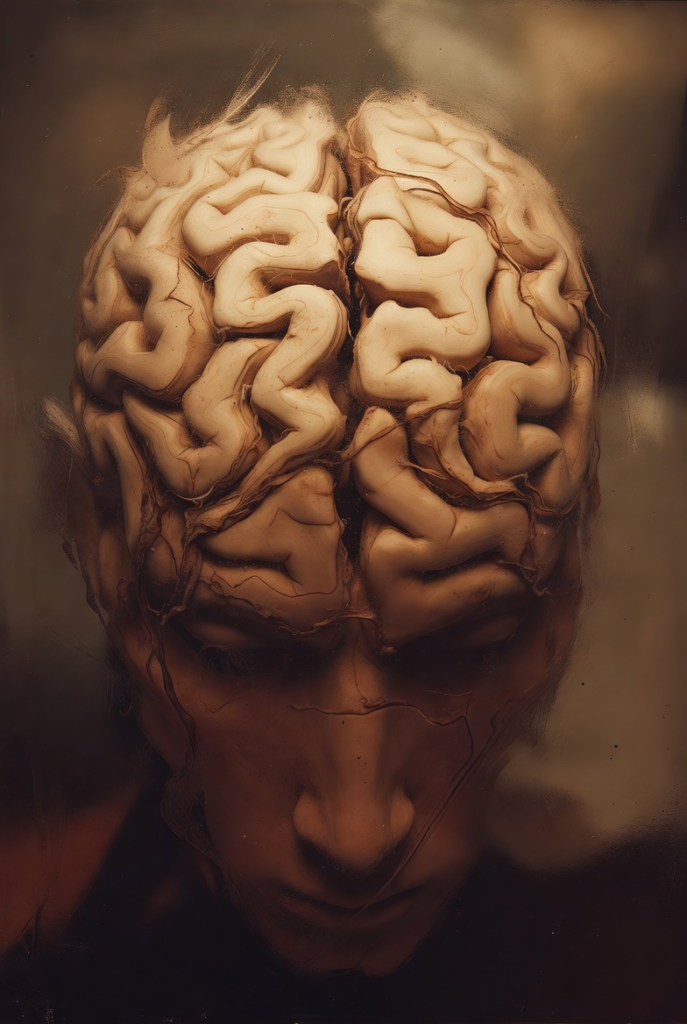
Introduction to a Beautiful Mind

What Does “A Beautiful Mind” Truly Mean?
When we hear the phrase a beautiful mind, we often imagine intelligence, brilliance, or genius. But a beautiful mind is much more than high IQ or academic success. It’s a mind that can think deeply, feel strongly, adapt gracefully, and still remain kind. Just like a piece of art, the beauty of the mind lies in its complexity, not perfection.
Why the Human Mind Fascinates Us
The human mind is like an endless universe. It creates ideas, dreams, fears, and innovations. One moment it’s solving problems, the next it’s imagining a world that doesn’t exist yet. This limitless ability is what keeps us curious about how the mind works and how it can become something truly beautiful.
The Human Mind as a Masterpiece

The Brain vs. The Mind
The brain is physical. You can touch it, scan it, and study it. The mind, however, is invisible. It’s where thoughts, beliefs, emotions, and consciousness live. Think of the brain as the hardware and the mind as the software. A beautiful mind is not about having a perfect brain, but about how that brain is used.
How Thoughts Shape Reality
Your thoughts act like a lens through which you see the world. Change the lens, and the world looks different. Positive thoughts don’t magically erase problems, but they change how you respond to them. That response is where mental beauty begins.
Intelligence Beyond IQ

Emotional Intelligence and Empathy
Being smart isn’t only about solving equations. Emotional intelligence—understanding your emotions and those of others—is a key trait of a beautiful mind. Empathy allows you to connect, heal, and build meaningful relationships. It’s intelligence with a heart.
Creativity as a Sign of a Beautiful Mind
Creativity is intelligence having fun. A creative mind finds new paths where others see dead ends. Whether it’s art, writing, problem-solving, or thinking differently, creativity adds color and depth to the mind.
A Beautiful Mind in Psychology

Cognitive Strength and Mental Flexibility
Psychology teaches us that mental flexibility—the ability to adapt and rethink—is crucial. A rigid mind breaks under pressure. A flexible mind bends, learns, and grows stronger.
The Role of Self-Awareness
Self-awareness is like holding a mirror to your thoughts. When you understand why you think and feel the way you do, you gain control. A beautiful mind doesn’t ignore flaws; it understands them.
Mental Health and Inner Beauty
Struggles That Shape the Mind
Mental struggles don’t make the mind weak. Often, they shape it. Anxiety, depression, and stress can deepen understanding and compassion. Beauty is not the absence of struggle, but growth through it.
Strength in Vulnerability
Opening up takes courage. Vulnerability allows healing and connection. A beautiful mind knows that asking for help is a strength, not a failure.
Inspiration from the Film “A Beautiful Mind”
John Nash and the Power of Perseverance
The movie A Beautiful Mind tells the story of John Nash, a brilliant mathematician who lived with schizophrenia. His journey shows that the mind can be both powerful and fragile at the same time.
Lessons We Can Apply in Real Life
The film teaches us resilience, patience, and the importance of support. Even when the mind struggles, it can still create, love, and succeed.
The Science Behind a Beautiful Mind
Neuroplasticity and Growth
The brain can change. This ability, called neuroplasticity, means you’re never stuck. New habits, thoughts, and skills can literally rewire the brain at any age.
How Habits Rewire the Brain
Small daily habits—reading, reflecting, exercising—shape the mind over time. Consistency is the quiet architect of mental beauty.
Mindset Matters
Growth Mindset vs. Fixed Mindset
A growth mindset believes abilities can improve. A fixed mindset believes they can’t. A beautiful mind chooses growth, learning from mistakes instead of fearing them.
The Impact of Positive Thinking
Positive thinking doesn’t mean ignoring reality. It means believing you can handle it. That belief changes everything.
The Role of Emotions
Understanding Emotional Balance
Emotions aren’t enemies. They’re messengers. Understanding them helps maintain balance instead of chaos.
Managing Negative Thoughts
Negative thoughts come to everyone. The difference lies in not letting them stay. A beautiful mind observes thoughts without becoming them.
Creativity and Imagination
Why Creative Minds Are Powerful
Creative minds imagine solutions before they exist. They turn limitations into opportunities.
Imagination as Mental Freedom
Imagination frees the mind from the present moment. It’s where innovation and hope are born.
Mindfulness and Inner Peace
Living in the Present Moment
Mindfulness teaches us to be here, now. Not stuck in the past or anxious about the future.
Meditation and Mental Clarity
Even a few minutes of silence can clear mental noise. Calmness sharpens the mind.
Building a Beautiful Mind Daily
Healthy Mental Habits
Reading, journaling, gratitude, and movement feed the mind. Just like the body, the mind needs care.
The Importance of Rest and Reflection
Rest is not laziness. It’s repair. Reflection turns experience into wisdom.
Challenges That Test the Mind
Stress, Anxiety, and Overthinking
Life is demanding. A beautiful mind learns when to push and when to pause.
Turning Pain into Wisdom
Pain can either harden or educate. The mind chooses the outcome.
A Beautiful Mind in Everyday Life
Relationships and Understanding Others
Listening is a mental skill. Understanding others strengthens emotional intelligence.
Compassion as Mental Strength
Kindness requires awareness and effort. That effort reflects mental beauty.
The Connection Between Mind and Success
Discipline, Focus, and Purpose
Success starts in the mind. Clear goals and focus turn dreams into action.
Redefining Success Mentally
Success isn’t only money or status. Peace, fulfillment, and growth matter more.
Extended Insights: Going Deeper into A Beautiful Mind
The Role of Education in Shaping the Mind
Learning as a Lifelong Journey
Education doesn’t stop at school or university. A beautiful mind stays curious for life. It asks questions, seeks understanding, and never assumes it knows everything. Learning becomes less about grades and more about growth.
Critical Thinking Over Memorization
Memorizing facts fills the mind, but critical thinking sharpens it. A beautiful mind analyzes information, questions assumptions, and forms independent opinions. It doesn’t blindly follow; it thoughtfully chooses.
The Influence of Environment on the Mind
Surroundings That Nourish Mental Growth
Your environment quietly shapes your thoughts. Supportive people, positive spaces, and healthy routines help the mind flourish. A toxic environment, on the other hand, can cloud even the brightest mind.
The Power of Language and Words
Words are seeds. Repeated often enough, they grow into beliefs. Encouraging language strengthens confidence, while negative words weaken it. A beautiful mind learns to speak kindly—to others and to itself.
Technology and the Modern Mind
Digital Overload and Mental Fatigue
In today’s world, the mind is constantly stimulated. Notifications, screens, and endless information can exhaust mental energy. A beautiful mind knows when to disconnect to reconnect with itself.
Using Technology Wisely
Technology can either distract or empower. When used intentionally—for learning, creativity, and connection—it enhances mental beauty instead of diminishing it.
The Spiritual Dimension of a Beautiful Mind
Meaning, Purpose, and Inner Fulfillment
Many people find mental peace through spirituality or personal beliefs. Purpose gives direction to thoughts. When the mind knows why, it handles the how more calmly.
Faith, Hope, and Mental Strength
Hope is a powerful mental force. It keeps the mind standing when circumstances try to break it. A beautiful mind holds onto hope, even in uncertainty.
Leadership and a Beautiful Mind
Leading with Wisdom, Not Ego
True leaders don’t dominate minds; they inspire them. A beautiful mind leads with understanding, patience, and vision rather than fear or control.
Decision-Making with Clarity
Clear thinking under pressure is a sign of mental maturity. A beautiful mind pauses, reflects, and chooses wisely—even when emotions run high.
The Mind Across Different Life Stages
A Beautiful Mind in Childhood
Curiosity, imagination, and play shape young minds. Encouraging exploration instead of fear builds confidence early.
Mental Growth in Adulthood
Adult minds face responsibility, pressure, and expectations. Growth comes from balance—ambition paired with self-care.
Wisdom in Later Years
With age comes perspective. A beautiful mind in later life values peace, reflection, and meaningful connection over constant achievement.
Cultural Perspectives on a Beautiful Mind
Eastern vs. Western Views
Some cultures emphasize mindfulness and inner peace, while others value productivity and innovation. A truly beautiful mind blends both—inner calm with outward action.
Collective Wisdom and Shared Knowledge
Learning from different cultures expands mental horizons. Diversity of thought enriches the mind.
Final Reflection: The Ever-Evolving Mind
A beautiful mind is not a destination; it’s a journey. It evolves with experience, shaped by challenges, relationships, and choices. Some days it shines brightly, other days it feels heavy—but both are part of its beauty. When you choose awareness over ignorance, growth over fear, and compassion over judgment, you are already nurturing a beautiful mind.
Additional FAQs
6. Can stress damage a beautiful mind?
Stress doesn’t ruin the mind, but unmanaged stress can cloud it. Awareness and coping skills protect mental beauty.
7. How long does it take to build a strong mind?
Mental growth is gradual. Small daily efforts create lasting change over time.
8. Is intelligence genetic or developed?
Both. Genetics play a role, but habits, learning, and mindset shape intelligence significantly.
9. Does self-discipline improve mental beauty?
Yes. Discipline creates focus, clarity, and confidence.
10. What is the simplest way to start improving the mind today?
Start by observing your thoughts without judgment. Awareness is the first step.
Conclusion
Embracing the Beauty Within the Mind
A beautiful mind is not born; it’s built. Through awareness, resilience, creativity, and compassion, anyone can develop mental beauty. The mind is a garden—what you plant, nurture, and protect will grow.
FAQs
1. What defines a beautiful mind?
A beautiful mind combines intelligence, emotional awareness, creativity, and resilience.
2. Can anyone develop a beautiful mind?
Yes, through habits, mindset, and self-awareness, anyone can grow mentally.
3. Is mental health part of a beautiful mind?
Absolutely. Caring for mental health strengthens inner beauty.
4. How does creativity relate to the mind?
Creativity reflects flexible thinking and emotional depth.
5. Why is mindset important for mental growth?
Mindset shapes how you face challenges and learn from them.