
News

Feeling: The Core of Human Emotion and Experience

Young sportive girl in sport outfits holding a smiling and tongue out emoji pillows .

Introduction: What Does “Feeling” Really Mean?
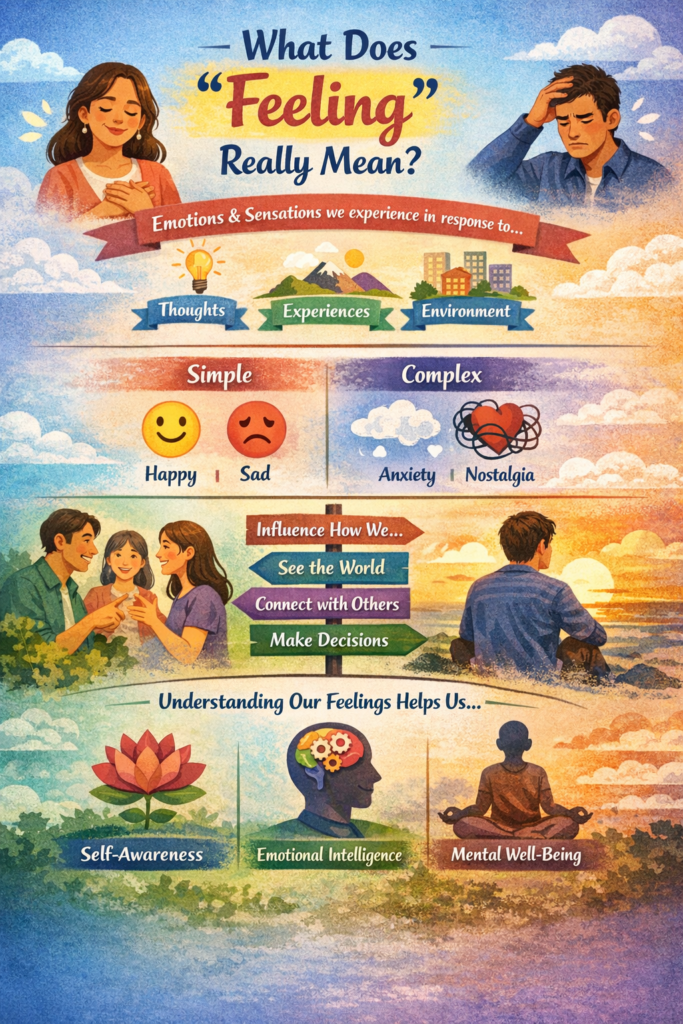
Feeling is one of those words we use every single day without stopping to think about what it truly means. “I feel happy.” “I feel tired.” “I feel something is off.” These simple phrases carry enormous weight, yet the concept behind them is incredibly complex. Feeling is not just an emotional reaction; it’s the invisible thread connecting our thoughts, bodies, memories, and experiences. It shapes how we see the world and how the world responds to us.

At its core, feeling is the way we experience life internally. It’s the warmth in your chest when you see someone you love, the knot in your stomach before an important decision, and even the quiet sense of peace when everything feels right. Without feeling, life would be mechanical, predictable, and hollow—like a song without melody.

In content marketing and SEO terms, “feeling” is also what drives engagement. People don’t connect with cold facts alone; they connect with how content makes them feel. That’s why understanding feeling isn’t just important for psychology or philosophy—it’s essential for communication, storytelling, branding, and human connection.

In this article, we’ll explore feeling from every possible angle: scientific, emotional, cultural, and practical. We’ll unpack how feelings work, why they matter, and how learning to understand them can transform your personal life, relationships, and mental well-being. Think of this as a deep dive into the most human part of being human.


The Concept of Feeling

Defining Feeling in Psychology and Everyday Life

Feeling, in psychological terms, refers to the subjective experience of emotions and physical sensations. It’s how your mind interprets what’s happening inside your body and around you. In everyday life, though, feeling is much more fluid. We use the word to describe emotions (“I feel happy”), bodily sensations (“I feel cold”), intuitions (“I feel this is right”), and even vague inner states we can’t fully explain.

What makes feeling so fascinating is that it exists at the intersection of mind and body. A feeling can start as a physical sensation—like a racing heart—and turn into an emotional experience, such as anxiety or excitement. Conversely, an emotional feeling like sadness can manifest physically as fatigue or heaviness in the chest.

Another important aspect of feeling is awareness. Some feelings are loud and obvious, while others quietly influence us beneath the surface. You may not consciously feel stressed, yet your body might show signs through tension, headaches, or irritability. This is why psychologists often emphasize emotional awareness: you can’t manage what you don’t recognize.

Feeling also plays a critical role in memory. We are far more likely to remember experiences tied to strong feelings. That’s why emotionally charged events—both positive and negative—tend to stay with us longer than neutral ones. Feeling gives meaning to experience, turning moments into memories.


Feeling vs Emotion vs Mood
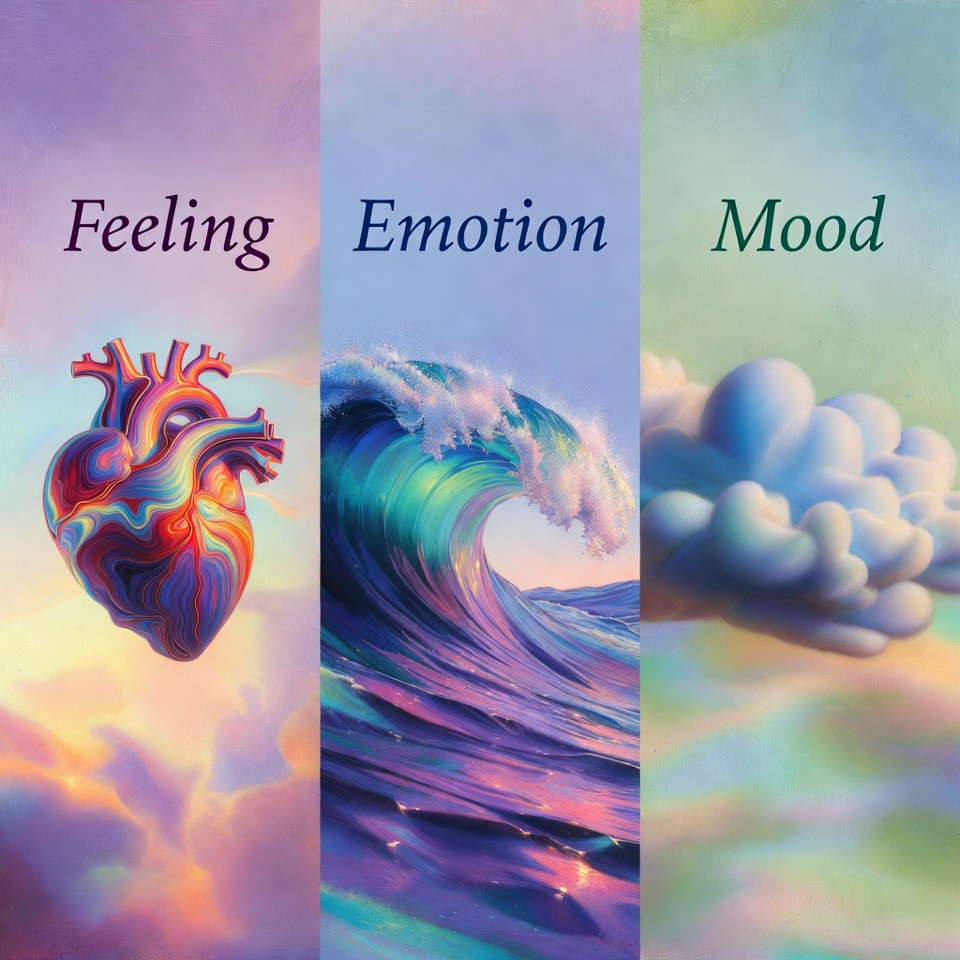
Although people often use these terms interchangeably, feeling, emotion, and mood are not exactly the same. Understanding the difference can dramatically improve emotional clarity and communication.

Emotion is typically a short-term, intense response to a specific stimulus. For example, fear when you hear a loud noise or joy when you receive good news. Emotions are automatic and often universal, rooted in biology.

Feeling, on the other hand, is the conscious experience of that emotion. It’s how you interpret and label what’s happening inside you. Two people can experience the same emotion but feel it differently based on their past experiences, beliefs, and mindset.

Mood is more like the emotional background music of your life. It’s less intense than emotion but lasts longer. You might wake up in a low mood without knowing why, and that mood can subtly influence how you feel about everything throughout the day.

These three constantly interact. An emotion sparks a feeling, and repeated feelings can shape your mood over time. Understanding this relationship helps you respond rather than react. Instead of saying, “I am angry,” you might recognize, “I’m feeling anger because I feel unheard.” That small shift creates space for growth and healthier responses.


The Science Behind Feeling
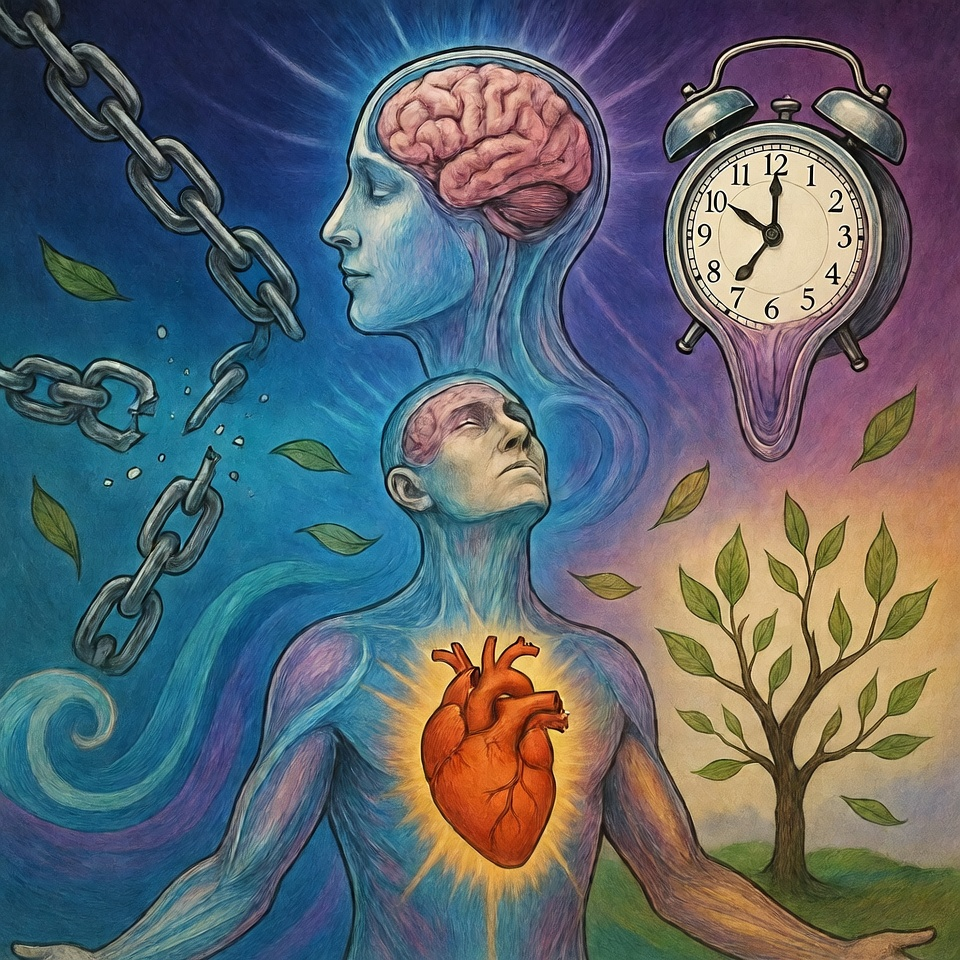
How the Brain Processes Feelings
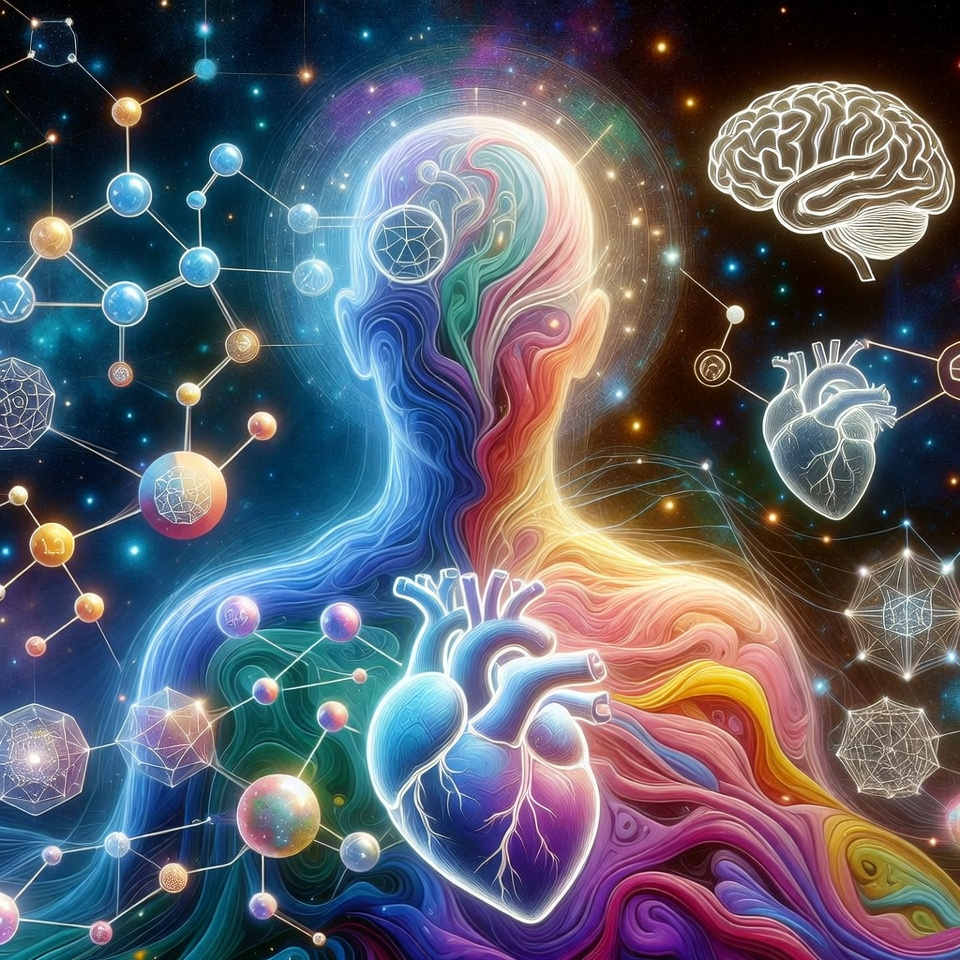
Feelings don’t come out of nowhere. They are the result of complex processes in the brain, particularly within the limbic system. This system includes structures like the amygdala, hippocampus, and hypothalamus, all of which play crucial roles in emotional processing.

The amygdala acts like an emotional alarm system. It scans incoming information for potential threats or rewards and reacts almost instantly. That’s why you can feel fear before you even consciously understand what scared you. The hippocampus helps link feelings to memories, giving emotional context to past experiences.

Neurotransmitters such as dopamine, serotonin, and norepinephrine are chemical messengers that influence how we feel. Dopamine is often associated with pleasure and motivation, serotonin with mood stability and well-being, and norepinephrine with alertness and stress response. An imbalance in these chemicals can significantly alter feelings, sometimes leading to anxiety or depression.

What’s fascinating is that the brain doesn’t just react to reality—it reacts to your perception of reality. Two people can face the same situation and feel completely different about it. This is why mindset, beliefs, and past experiences play such a powerful role in shaping feelings.


Body–Mind Connection

Feelings are not confined to the brain. The body plays an equally important role. Ever had “butterflies” in your stomach or felt your chest tighten with anxiety? That’s the body responding to emotional signals.

The nervous system, especially the autonomic nervous system, regulates these responses. When you feel threatened, your body enters fight-or-flight mode. When you feel safe, it shifts into rest-and-digest mode. These physical states heavily influence emotional feelings.

Interestingly, the relationship works both ways. Changing your physical state can change how you feel emotionally. Simple actions like deep breathing, stretching, or going for a walk can shift your emotional state. This is why practices like yoga and mindfulness are so effective—they bridge the gap between body and feeling.

Understanding the body–mind connection empowers you to work with your feelings rather than against them. Instead of asking, “What’s wrong with me?” you start asking, “What is my body trying to tell me?”


Types of Feelings
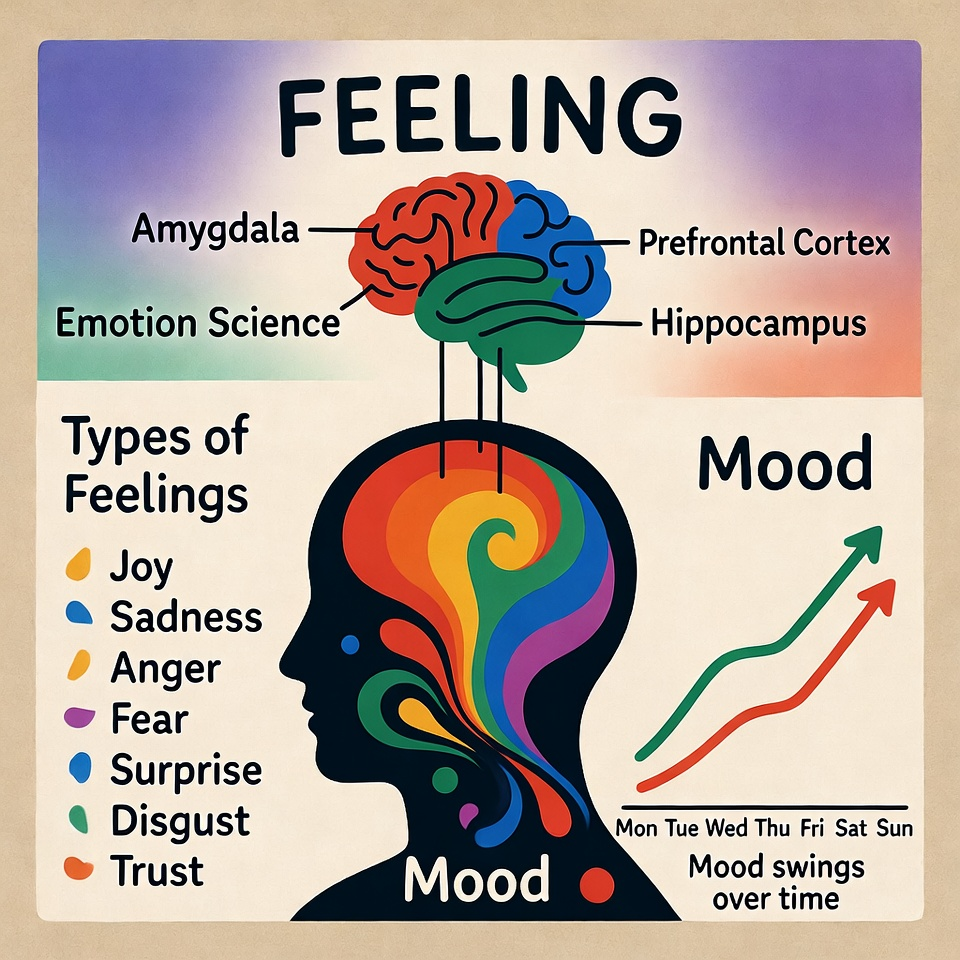
Positive Feelings

Positive feelings are often seen as the highlights of human experience. They include emotions and sensations like joy, love, gratitude, excitement, peace, hope, and contentment. These feelings don’t just make life enjoyable; they also play a crucial role in physical health, mental resilience, and social bonding.

When you experience positive feelings, your brain releases chemicals such as dopamine, serotonin, and oxytocin. These neurotransmitters help reduce stress, strengthen immune function, and improve overall well-being. That’s why moments of genuine happiness often leave you feeling energized and alive, even if nothing physically changed around you.

Positive feelings also broaden your perspective. Psychologists call this the “broaden-and-build” effect. When you feel good, you’re more open to new ideas, more creative, and more willing to connect with others. Think about how differently you approach challenges when you feel hopeful versus when you feel defeated. The situation may be the same, but the feeling changes everything.

However, positive feelings aren’t meant to be constant. Chasing happiness nonstop can actually backfire, creating pressure and disappointment. Healthy emotional life isn’t about feeling good all the time; it’s about allowing positive feelings to arise naturally and appreciating them when they do. Even small moments—like enjoying a cup of coffee or sharing a laugh—can have a powerful cumulative effect over time.


Negative Feelings

Negative feelings often get a bad reputation, but they are just as important as positive ones. Fear, anger, sadness, guilt, shame, and frustration all serve specific purposes. They are signals, not flaws. Fear alerts you to danger, anger signals boundary violations, and sadness helps you process loss.

The problem arises not from having negative feelings, but from suppressing or misinterpreting them. When negative feelings are ignored, they don’t disappear; they go underground. Over time, this can lead to stress-related illnesses, emotional numbness, or sudden emotional outbursts that feel uncontrollable.

Negative feelings also carry valuable information. For example, persistent frustration might point to unmet needs, while recurring sadness may signal unresolved grief. Instead of asking, “How do I get rid of this feeling?” a more helpful question is, “What is this feeling trying to tell me?”

In content strategy and communication, acknowledging negative feelings builds trust. People resonate with honesty and vulnerability more than forced positivity. When handled with empathy, negative feelings can deepen connection, promote self-awareness, and ultimately lead to personal growth.


Neutral and Mixed Feelings

Not all feelings are dramatic or easy to label. Many emotional states fall into neutral or mixed categories. You might feel calm but slightly bored, or excited yet anxious at the same time. These blended feelings reflect emotional complexity, which is a sign of psychological maturity rather than confusion.

Ambivalence—feeling two opposing emotions at once—is incredibly common. You might feel proud of a new opportunity while also feeling scared of change. Rather than trying to simplify these feelings, it’s often healthier to allow them to coexist. Life is rarely black and white, and feelings mirror that reality.

Neutral feelings, such as emotional calm or indifference, are often misunderstood. They aren’t a lack of feeling but a balanced state where emotions aren’t overwhelming. These states can be restorative, allowing the nervous system to reset and recharge.

Recognizing mixed and neutral feelings improves emotional literacy. The more accurately you can name what you feel, the more control and clarity you gain over your responses.


The Role of Feeling in Human Behavior
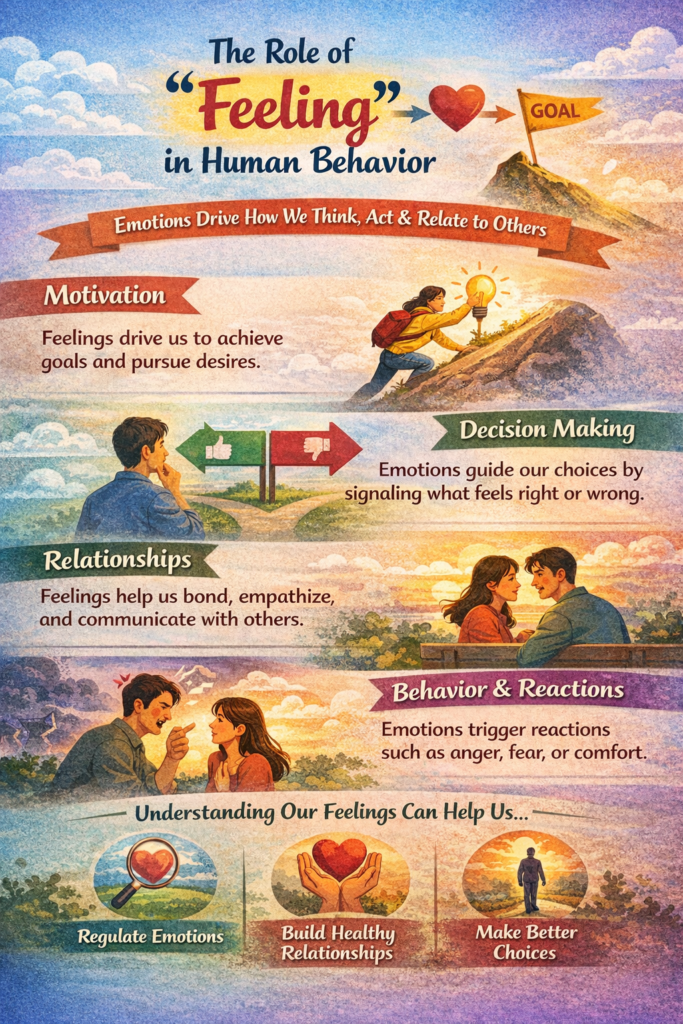
How Feelings Drive Decisions

Despite what we like to believe, humans are not purely rational beings. Feelings play a massive role in decision-making, often behind the scenes. Research shows that people with impaired emotional processing struggle to make even simple decisions, highlighting how essential feeling is to judgment.

When faced with choices, your brain quickly generates emotional signals based on past experiences. These “gut feelings” help you evaluate options faster than logic alone ever could. While not always accurate, they are incredibly efficient.

Marketing, branding, and storytelling rely heavily on this principle. People may justify decisions with logic, but they are usually driven by how something makes them feel. Trust, excitement, fear, and belonging all influence buying behavior and long-term loyalty.

Understanding this doesn’t mean ignoring logic; it means integrating feeling with thinking. The best decisions often come from a balance of emotional insight and rational analysis.


Feeling and Motivation

Motivation is fueled by feeling. You’re more likely to pursue goals that excite you emotionally or align with your values. On the flip side, tasks associated with dread or boredom are easy to avoid, even if they’re important.

Positive feelings like enthusiasm and curiosity increase persistence, while negative feelings like fear or shame can either motivate action or cause paralysis, depending on how they’re managed. For example, healthy concern can push you to prepare better, while overwhelming anxiety may stop you from starting at all.

Sustainable motivation comes from understanding the feelings behind your goals. When you connect tasks to deeper emotional rewards—such as purpose, growth, or contribution—they become easier to maintain over time.


Feeling in Relationships and Social Bonds

Feelings are the glue that holds relationships together. Love, trust, empathy, and affection create bonds that logic alone cannot sustain. At the same time, unresolved feelings like resentment or jealousy can slowly erode even the strongest connections.

Emotional communication is key. Relationships thrive when people feel seen, heard, and understood. This doesn’t mean constant agreement; it means emotional validation. Simply acknowledging someone’s feeling can defuse conflict and build intimacy.

In social dynamics, humans are highly sensitive to emotional cues. Tone of voice, facial expressions, and body language often matter more than words. Being aware of both your own feelings and those of others enhances social intelligence and reduces misunderstandings.


Feeling and Mental Health

Healthy vs Suppressed Feelings

Healthy emotional processing involves allowing feelings to arise, acknowledging them, and responding thoughtfully. Suppression, on the other hand, involves pushing feelings away because they feel uncomfortable or inconvenient.

While suppression might work short-term, it often leads to long-term consequences. Unexpressed feelings can manifest as chronic stress, anxiety, depression, or even physical illness. The body remembers what the mind avoids.

Healthy emotional expression doesn’t mean acting on every feeling. It means recognizing feelings without judgment and choosing constructive responses. This skill takes practice but is essential for mental well-being.


Emotional Awareness and Regulation

Emotional awareness is the ability to recognize and label what you’re feeling in the moment. Emotional regulation is the ability to manage those feelings effectively. Together, they form the foundation of emotional intelligence.

Simple practices like journaling, mindfulness, and therapy can significantly improve emotional regulation. These tools help create space between feeling and action, allowing you to respond rather than react.

People with strong emotional regulation tend to experience better relationships, higher resilience, and greater life satisfaction. They aren’t immune to difficult feelings—they’re just better equipped to handle them.


Feeling Disorders and Emotional Imbalance

When feelings become overwhelming, persistent, or disconnected from reality, they may indicate emotional or mental health disorders. Conditions like depression, anxiety disorders, and mood disorders involve disruptions in emotional processing.

It’s important to recognize that these conditions are not personal failures. They are complex interactions between biology, environment, and experience. Seeking professional support is a sign of strength, not weakness.

Early intervention and emotional education play a critical role in prevention and recovery. Understanding feelings reduces stigma and encourages healthier conversations around mental health.


Cultural and Social Influence on Feeling

How Culture Shapes Emotional Expression

Feelings are universal, but how they are expressed, interpreted, and even allowed varies greatly across cultures. In some cultures, openly expressing emotions like joy or sadness is encouraged and seen as healthy. In others, emotional restraint is valued, and feelings are expected to be managed privately. Neither approach is inherently right or wrong—they are simply different emotional languages shaped by history, values, and social norms.

Culture influences which feelings are considered acceptable. For example, anger may be seen as strength in one culture and disrespect in another. Similarly, showing vulnerability might be viewed as honesty in some societies and weakness in others. These cultural expectations often become internalized, shaping how individuals experience and judge their own feelings.

This cultural conditioning can create emotional conflict, especially in multicultural environments. Someone may feel intense emotions but struggle with guilt or confusion about expressing them. Understanding cultural context helps normalize these experiences and fosters empathy in cross-cultural communication.

In content creation and SEO-driven storytelling, cultural sensitivity is essential. Messaging that resonates emotionally in one region may fall flat or even offend in another. Effective communication acknowledges emotional diversity while focusing on shared human experiences.


Social Conditioning and Gender Norms

From an early age, society teaches us which feelings are acceptable based on gender roles. Phrases like “boys don’t cry” or “be nice” subtly shape emotional expression, often limiting emotional range. Over time, these messages can lead to emotional suppression or imbalance.

Men may struggle to express sadness or vulnerability, while women may feel discouraged from expressing anger or assertiveness. These patterns don’t reflect emotional reality; they reflect social conditioning. The result is often misunderstood feelings, unmet needs, and communication breakdowns.

Breaking free from restrictive norms starts with awareness. When people are encouraged to experience and express the full spectrum of feelings, emotional health improves across the board. Healthy societies are those that allow emotional authenticity without judgment.


Feeling in Childhood and Development

Early Emotional Development

Feelings begin shaping us long before we can put words to them. In childhood, emotions are intense, immediate, and unfiltered. Children rely on caregivers to help them understand and regulate what they feel. This process, known as emotional co-regulation, lays the foundation for lifelong emotional health.

When children are taught that their feelings are valid, even when their behavior needs guidance, they develop emotional confidence. They learn that feelings are not something to fear or suppress. On the other hand, when feelings are dismissed or punished, children may grow up disconnected from their emotional world.

Early experiences also shape emotional patterns. A child who grows up in a supportive environment may develop secure emotional attachments, while inconsistent or neglectful environments can lead to emotional insecurity. These early feelings don’t disappear; they evolve and often influence adult relationships.


How Childhood Feelings Shape Adulthood

Unresolved childhood feelings often show up in adult life, sometimes in unexpected ways. Patterns of fear, abandonment, or low self-worth can trace back to early emotional experiences. Without awareness, adults may repeat emotional cycles without understanding their origins.

The good news is that emotional growth is possible at any age. By revisiting and reprocessing past feelings—often with the help of therapy or self-reflection—individuals can reshape emotional responses and build healthier relationships.

Understanding the emotional roots of behavior fosters compassion, both for yourself and others. It shifts the narrative from blame to understanding, which is essential for healing.


Feeling in the Digital Age

Social Media and Emotional Triggers

The digital world has transformed how we experience and express feelings. Social media platforms are designed to trigger emotional responses—likes, shares, outrage, admiration—all compressed into seconds. While this can create connection, it can also amplify insecurity, comparison, and emotional volatility.

Constant exposure to curated lives can distort emotional reality. People may feel inadequate or anxious, even when their own lives are stable. This emotional dissonance often goes unrecognized, silently affecting self-esteem and mood.

Mindful digital consumption is key. Recognizing emotional triggers and setting boundaries around screen time can protect emotional well-being without disconnecting entirely.


Emotional Overload and Numbness

With constant notifications, news cycles, and information streams, emotional overload has become common. When feelings are constantly stimulated, the nervous system may respond by shutting down, leading to emotional numbness.

Numbness isn’t the absence of feeling; it’s a protective response. It signals the need for rest, reflection, and reconnection with the body and present moment. Slowing down, engaging in offline activities, and practicing mindfulness can help restore emotional balance.


How to Understand and Manage Feelings

Emotional Intelligence Explained

Emotional intelligence is the ability to recognize, understand, and manage your own feelings while also being aware of others’ emotions. It’s a skill that influences leadership, relationships, and personal fulfillment more than raw intelligence ever could.

High emotional intelligence allows you to navigate conflict calmly, communicate clearly, and respond to challenges with resilience. It doesn’t eliminate difficult feelings—it equips you to handle them effectively.

Developing emotional intelligence starts with curiosity. Asking yourself, “What am I feeling right now?” creates awareness. From there, regulation and empathy naturally follow.


Practical Techniques for Emotional Awareness

Simple practices can dramatically improve your relationship with feelings:

  • Journaling: Writing helps externalize feelings, making them easier to understand.
  • Mindfulness: Observing feelings without judgment reduces emotional reactivity.
  • Therapy and Counseling: Professional guidance provides tools and perspective for deeper emotional work.

These practices don’t require perfection—only consistency. Over time, they build emotional clarity and confidence.


Feeling and Creativity

Why Strong Feelings Fuel Art and Innovation

Some of the world’s greatest art, music, and ideas were born from intense feelings. Creativity thrives on emotional depth. Whether it’s joy, heartbreak, or longing, feeling provides the raw material for expression.

Creative work allows feelings to move rather than stagnate. It transforms inner experience into something tangible, meaningful, and often healing. This is why creative outlets are powerful tools for emotional processing.


Using Feeling as a Creative Tool

Harnessing feeling doesn’t mean waiting for inspiration to strike. It means paying attention to emotional shifts and using them intentionally. Even uncomfortable feelings can become sources of insight and innovation when approached with curiosity.

Creativity teaches us that no feeling is wasted. Every emotional experience carries potential meaning.


Spiritual and Philosophical Perspectives on Feeling

Feeling in Philosophy

Philosophers have long debated the role of feeling in human life. Some viewed emotion as a distraction from reason, while others saw it as essential to moral understanding. Modern perspectives recognize that feeling and thinking are deeply interconnected.

Feeling provides values, while thinking provides structure. Together, they guide meaningful action.


Feeling in Spiritual Practices

Many spiritual traditions emphasize awareness of feeling as a path to insight. Practices like meditation, prayer, and contemplation encourage individuals to observe feelings without attachment, fostering inner peace.

These approaches don’t deny emotion; they deepen understanding of it.


Feeling vs Thinking

Balancing Logic and Emotion

Logic helps us analyze, but feeling helps us care. When balanced, they create wisdom. Overreliance on either leads to imbalance—cold rationality or emotional impulsivity.

Learning when to trust your feelings and when to question them is a lifelong skill. Reflection bridges the gap.


The Future of Understanding Feeling

AI, Neuroscience, and Emotional Research

Advances in neuroscience and artificial intelligence are reshaping how we study feeling. While machines can recognize emotional patterns, true feeling remains uniquely human—rooted in consciousness and lived experience.

As research evolves, emotional literacy will become even more important in a rapidly changing world.


Conclusion: Embracing the Power of Feeling

Feeling is not a weakness; it is the foundation of meaning, connection, and growth. By understanding and honoring our feelings, we learn how to live more fully and authentically. When we stop fighting our inner world and start listening to it, life becomes richer, clearer, and more human.


FAQs

1. What is the difference between feeling and emotion?
Emotion is the automatic response; feeling is the conscious experience of that response.

2. Are negative feelings bad?
No. Negative feelings provide important signals and help guide healthy change.

3. Can feelings affect physical health?
Yes. Chronic emotional stress can influence immune function, digestion, and heart health.

4. How can I improve emotional awareness?
Practices like journaling, mindfulness, and therapy are highly effective.

5. Why are feelings important in relationships?
They foster empathy, trust, and deeper emotional connection.


https://thewovenmind.com/definition-psychology-types-branches-and-future-scope/

Leave a Reply

Your email address will not be published. Required fields are marked *

Share this content

Feeling: The Core of Human Emotion and Experience

Young sportive girl in sport outfits holding a smiling and tongue out emoji pillows .

Introduction: What Does “Feeling” Really Mean?

Feeling is one of those words we use every single day without stopping to think about what it truly means. “I feel happy.” “I feel tired.” “I feel something is off.” These simple phrases carry enormous weight, yet the concept behind them is incredibly complex. Feeling is not just an emotional reaction; it’s the invisible thread connecting our thoughts, bodies, memories, and experiences. It shapes how we see the world and how the world responds to us.

At its core, feeling is the way we experience life internally. It’s the warmth in your chest when you see someone you love, the knot in your stomach before an important decision, and even the quiet sense of peace when everything feels right. Without feeling, life would be mechanical, predictable, and hollow—like a song without melody.

In content marketing and SEO terms, “feeling” is also what drives engagement. People don’t connect with cold facts alone; they connect with how content makes them feel. That’s why understanding feeling isn’t just important for psychology or philosophy—it’s essential for communication, storytelling, branding, and human connection.

In this article, we’ll explore feeling from every possible angle: scientific, emotional, cultural, and practical. We’ll unpack how feelings work, why they matter, and how learning to understand them can transform your personal life, relationships, and mental well-being. Think of this as a deep dive into the most human part of being human.


The Concept of Feeling

Defining Feeling in Psychology and Everyday Life

Feeling, in psychological terms, refers to the subjective experience of emotions and physical sensations. It’s how your mind interprets what’s happening inside your body and around you. In everyday life, though, feeling is much more fluid. We use the word to describe emotions (“I feel happy”), bodily sensations (“I feel cold”), intuitions (“I feel this is right”), and even vague inner states we can’t fully explain.

What makes feeling so fascinating is that it exists at the intersection of mind and body. A feeling can start as a physical sensation—like a racing heart—and turn into an emotional experience, such as anxiety or excitement. Conversely, an emotional feeling like sadness can manifest physically as fatigue or heaviness in the chest.

Another important aspect of feeling is awareness. Some feelings are loud and obvious, while others quietly influence us beneath the surface. You may not consciously feel stressed, yet your body might show signs through tension, headaches, or irritability. This is why psychologists often emphasize emotional awareness: you can’t manage what you don’t recognize.

Feeling also plays a critical role in memory. We are far more likely to remember experiences tied to strong feelings. That’s why emotionally charged events—both positive and negative—tend to stay with us longer than neutral ones. Feeling gives meaning to experience, turning moments into memories.


Feeling vs Emotion vs Mood

Although people often use these terms interchangeably, feeling, emotion, and mood are not exactly the same. Understanding the difference can dramatically improve emotional clarity and communication.

Emotion is typically a short-term, intense response to a specific stimulus. For example, fear when you hear a loud noise or joy when you receive good news. Emotions are automatic and often universal, rooted in biology.

Feeling, on the other hand, is the conscious experience of that emotion. It’s how you interpret and label what’s happening inside you. Two people can experience the same emotion but feel it differently based on their past experiences, beliefs, and mindset.

Mood is more like the emotional background music of your life. It’s less intense than emotion but lasts longer. You might wake up in a low mood without knowing why, and that mood can subtly influence how you feel about everything throughout the day.

These three constantly interact. An emotion sparks a feeling, and repeated feelings can shape your mood over time. Understanding this relationship helps you respond rather than react. Instead of saying, “I am angry,” you might recognize, “I’m feeling anger because I feel unheard.” That small shift creates space for growth and healthier responses.


The Science Behind Feeling

How the Brain Processes Feelings

Feelings don’t come out of nowhere. They are the result of complex processes in the brain, particularly within the limbic system. This system includes structures like the amygdala, hippocampus, and hypothalamus, all of which play crucial roles in emotional processing.

The amygdala acts like an emotional alarm system. It scans incoming information for potential threats or rewards and reacts almost instantly. That’s why you can feel fear before you even consciously understand what scared you. The hippocampus helps link feelings to memories, giving emotional context to past experiences.

Neurotransmitters such as dopamine, serotonin, and norepinephrine are chemical messengers that influence how we feel. Dopamine is often associated with pleasure and motivation, serotonin with mood stability and well-being, and norepinephrine with alertness and stress response. An imbalance in these chemicals can significantly alter feelings, sometimes leading to anxiety or depression.

What’s fascinating is that the brain doesn’t just react to reality—it reacts to your perception of reality. Two people can face the same situation and feel completely different about it. This is why mindset, beliefs, and past experiences play such a powerful role in shaping feelings.


Body–Mind Connection

Feelings are not confined to the brain. The body plays an equally important role. Ever had “butterflies” in your stomach or felt your chest tighten with anxiety? That’s the body responding to emotional signals.

The nervous system, especially the autonomic nervous system, regulates these responses. When you feel threatened, your body enters fight-or-flight mode. When you feel safe, it shifts into rest-and-digest mode. These physical states heavily influence emotional feelings.

Interestingly, the relationship works both ways. Changing your physical state can change how you feel emotionally. Simple actions like deep breathing, stretching, or going for a walk can shift your emotional state. This is why practices like yoga and mindfulness are so effective—they bridge the gap between body and feeling.

Understanding the body–mind connection empowers you to work with your feelings rather than against them. Instead of asking, “What’s wrong with me?” you start asking, “What is my body trying to tell me?”


Types of Feelings

Positive Feelings

Positive feelings are often seen as the highlights of human experience. They include emotions and sensations like joy, love, gratitude, excitement, peace, hope, and contentment. These feelings don’t just make life enjoyable; they also play a crucial role in physical health, mental resilience, and social bonding.

When you experience positive feelings, your brain releases chemicals such as dopamine, serotonin, and oxytocin. These neurotransmitters help reduce stress, strengthen immune function, and improve overall well-being. That’s why moments of genuine happiness often leave you feeling energized and alive, even if nothing physically changed around you.

Positive feelings also broaden your perspective. Psychologists call this the “broaden-and-build” effect. When you feel good, you’re more open to new ideas, more creative, and more willing to connect with others. Think about how differently you approach challenges when you feel hopeful versus when you feel defeated. The situation may be the same, but the feeling changes everything.

However, positive feelings aren’t meant to be constant. Chasing happiness nonstop can actually backfire, creating pressure and disappointment. Healthy emotional life isn’t about feeling good all the time; it’s about allowing positive feelings to arise naturally and appreciating them when they do. Even small moments—like enjoying a cup of coffee or sharing a laugh—can have a powerful cumulative effect over time.


Negative Feelings

Negative feelings often get a bad reputation, but they are just as important as positive ones. Fear, anger, sadness, guilt, shame, and frustration all serve specific purposes. They are signals, not flaws. Fear alerts you to danger, anger signals boundary violations, and sadness helps you process loss.

The problem arises not from having negative feelings, but from suppressing or misinterpreting them. When negative feelings are ignored, they don’t disappear; they go underground. Over time, this can lead to stress-related illnesses, emotional numbness, or sudden emotional outbursts that feel uncontrollable.

Negative feelings also carry valuable information. For example, persistent frustration might point to unmet needs, while recurring sadness may signal unresolved grief. Instead of asking, “How do I get rid of this feeling?” a more helpful question is, “What is this feeling trying to tell me?”

In content strategy and communication, acknowledging negative feelings builds trust. People resonate with honesty and vulnerability more than forced positivity. When handled with empathy, negative feelings can deepen connection, promote self-awareness, and ultimately lead to personal growth.


Neutral and Mixed Feelings

Not all feelings are dramatic or easy to label. Many emotional states fall into neutral or mixed categories. You might feel calm but slightly bored, or excited yet anxious at the same time. These blended feelings reflect emotional complexity, which is a sign of psychological maturity rather than confusion.

Ambivalence—feeling two opposing emotions at once—is incredibly common. You might feel proud of a new opportunity while also feeling scared of change. Rather than trying to simplify these feelings, it’s often healthier to allow them to coexist. Life is rarely black and white, and feelings mirror that reality.

Neutral feelings, such as emotional calm or indifference, are often misunderstood. They aren’t a lack of feeling but a balanced state where emotions aren’t overwhelming. These states can be restorative, allowing the nervous system to reset and recharge.

Recognizing mixed and neutral feelings improves emotional literacy. The more accurately you can name what you feel, the more control and clarity you gain over your responses.


The Role of Feeling in Human Behavior

How Feelings Drive Decisions

Despite what we like to believe, humans are not purely rational beings. Feelings play a massive role in decision-making, often behind the scenes. Research shows that people with impaired emotional processing struggle to make even simple decisions, highlighting how essential feeling is to judgment.

When faced with choices, your brain quickly generates emotional signals based on past experiences. These “gut feelings” help you evaluate options faster than logic alone ever could. While not always accurate, they are incredibly efficient.

Marketing, branding, and storytelling rely heavily on this principle. People may justify decisions with logic, but they are usually driven by how something makes them feel. Trust, excitement, fear, and belonging all influence buying behavior and long-term loyalty.

Understanding this doesn’t mean ignoring logic; it means integrating feeling with thinking. The best decisions often come from a balance of emotional insight and rational analysis.


Feeling and Motivation

Motivation is fueled by feeling. You’re more likely to pursue goals that excite you emotionally or align with your values. On the flip side, tasks associated with dread or boredom are easy to avoid, even if they’re important.

Positive feelings like enthusiasm and curiosity increase persistence, while negative feelings like fear or shame can either motivate action or cause paralysis, depending on how they’re managed. For example, healthy concern can push you to prepare better, while overwhelming anxiety may stop you from starting at all.

Sustainable motivation comes from understanding the feelings behind your goals. When you connect tasks to deeper emotional rewards—such as purpose, growth, or contribution—they become easier to maintain over time.


Feeling in Relationships and Social Bonds

Feelings are the glue that holds relationships together. Love, trust, empathy, and affection create bonds that logic alone cannot sustain. At the same time, unresolved feelings like resentment or jealousy can slowly erode even the strongest connections.

Emotional communication is key. Relationships thrive when people feel seen, heard, and understood. This doesn’t mean constant agreement; it means emotional validation. Simply acknowledging someone’s feeling can defuse conflict and build intimacy.

In social dynamics, humans are highly sensitive to emotional cues. Tone of voice, facial expressions, and body language often matter more than words. Being aware of both your own feelings and those of others enhances social intelligence and reduces misunderstandings.


Feeling and Mental Health

Healthy vs Suppressed Feelings

Healthy emotional processing involves allowing feelings to arise, acknowledging them, and responding thoughtfully. Suppression, on the other hand, involves pushing feelings away because they feel uncomfortable or inconvenient.

While suppression might work short-term, it often leads to long-term consequences. Unexpressed feelings can manifest as chronic stress, anxiety, depression, or even physical illness. The body remembers what the mind avoids.

Healthy emotional expression doesn’t mean acting on every feeling. It means recognizing feelings without judgment and choosing constructive responses. This skill takes practice but is essential for mental well-being.


Emotional Awareness and Regulation

Emotional awareness is the ability to recognize and label what you’re feeling in the moment. Emotional regulation is the ability to manage those feelings effectively. Together, they form the foundation of emotional intelligence.

Simple practices like journaling, mindfulness, and therapy can significantly improve emotional regulation. These tools help create space between feeling and action, allowing you to respond rather than react.

People with strong emotional regulation tend to experience better relationships, higher resilience, and greater life satisfaction. They aren’t immune to difficult feelings—they’re just better equipped to handle them.


Feeling Disorders and Emotional Imbalance

When feelings become overwhelming, persistent, or disconnected from reality, they may indicate emotional or mental health disorders. Conditions like depression, anxiety disorders, and mood disorders involve disruptions in emotional processing.

It’s important to recognize that these conditions are not personal failures. They are complex interactions between biology, environment, and experience. Seeking professional support is a sign of strength, not weakness.

Early intervention and emotional education play a critical role in prevention and recovery. Understanding feelings reduces stigma and encourages healthier conversations around mental health.


Cultural and Social Influence on Feeling

How Culture Shapes Emotional Expression

Feelings are universal, but how they are expressed, interpreted, and even allowed varies greatly across cultures. In some cultures, openly expressing emotions like joy or sadness is encouraged and seen as healthy. In others, emotional restraint is valued, and feelings are expected to be managed privately. Neither approach is inherently right or wrong—they are simply different emotional languages shaped by history, values, and social norms.

Culture influences which feelings are considered acceptable. For example, anger may be seen as strength in one culture and disrespect in another. Similarly, showing vulnerability might be viewed as honesty in some societies and weakness in others. These cultural expectations often become internalized, shaping how individuals experience and judge their own feelings.

This cultural conditioning can create emotional conflict, especially in multicultural environments. Someone may feel intense emotions but struggle with guilt or confusion about expressing them. Understanding cultural context helps normalize these experiences and fosters empathy in cross-cultural communication.

In content creation and SEO-driven storytelling, cultural sensitivity is essential. Messaging that resonates emotionally in one region may fall flat or even offend in another. Effective communication acknowledges emotional diversity while focusing on shared human experiences.


Social Conditioning and Gender Norms

From an early age, society teaches us which feelings are acceptable based on gender roles. Phrases like “boys don’t cry” or “be nice” subtly shape emotional expression, often limiting emotional range. Over time, these messages can lead to emotional suppression or imbalance.

Men may struggle to express sadness or vulnerability, while women may feel discouraged from expressing anger or assertiveness. These patterns don’t reflect emotional reality; they reflect social conditioning. The result is often misunderstood feelings, unmet needs, and communication breakdowns.

Breaking free from restrictive norms starts with awareness. When people are encouraged to experience and express the full spectrum of feelings, emotional health improves across the board. Healthy societies are those that allow emotional authenticity without judgment.


Feeling in Childhood and Development

Early Emotional Development

Feelings begin shaping us long before we can put words to them. In childhood, emotions are intense, immediate, and unfiltered. Children rely on caregivers to help them understand and regulate what they feel. This process, known as emotional co-regulation, lays the foundation for lifelong emotional health.

When children are taught that their feelings are valid, even when their behavior needs guidance, they develop emotional confidence. They learn that feelings are not something to fear or suppress. On the other hand, when feelings are dismissed or punished, children may grow up disconnected from their emotional world.

Early experiences also shape emotional patterns. A child who grows up in a supportive environment may develop secure emotional attachments, while inconsistent or neglectful environments can lead to emotional insecurity. These early feelings don’t disappear; they evolve and often influence adult relationships.


How Childhood Feelings Shape Adulthood

Unresolved childhood feelings often show up in adult life, sometimes in unexpected ways. Patterns of fear, abandonment, or low self-worth can trace back to early emotional experiences. Without awareness, adults may repeat emotional cycles without understanding their origins.

The good news is that emotional growth is possible at any age. By revisiting and reprocessing past feelings—often with the help of therapy or self-reflection—individuals can reshape emotional responses and build healthier relationships.

Understanding the emotional roots of behavior fosters compassion, both for yourself and others. It shifts the narrative from blame to understanding, which is essential for healing.


Feeling in the Digital Age

Social Media and Emotional Triggers

The digital world has transformed how we experience and express feelings. Social media platforms are designed to trigger emotional responses—likes, shares, outrage, admiration—all compressed into seconds. While this can create connection, it can also amplify insecurity, comparison, and emotional volatility.

Constant exposure to curated lives can distort emotional reality. People may feel inadequate or anxious, even when their own lives are stable. This emotional dissonance often goes unrecognized, silently affecting self-esteem and mood.

Mindful digital consumption is key. Recognizing emotional triggers and setting boundaries around screen time can protect emotional well-being without disconnecting entirely.


Emotional Overload and Numbness

With constant notifications, news cycles, and information streams, emotional overload has become common. When feelings are constantly stimulated, the nervous system may respond by shutting down, leading to emotional numbness.

Numbness isn’t the absence of feeling; it’s a protective response. It signals the need for rest, reflection, and reconnection with the body and present moment. Slowing down, engaging in offline activities, and practicing mindfulness can help restore emotional balance.


How to Understand and Manage Feelings

Emotional Intelligence Explained

Emotional intelligence is the ability to recognize, understand, and manage your own feelings while also being aware of others’ emotions. It’s a skill that influences leadership, relationships, and personal fulfillment more than raw intelligence ever could.

High emotional intelligence allows you to navigate conflict calmly, communicate clearly, and respond to challenges with resilience. It doesn’t eliminate difficult feelings—it equips you to handle them effectively.

Developing emotional intelligence starts with curiosity. Asking yourself, “What am I feeling right now?” creates awareness. From there, regulation and empathy naturally follow.


Practical Techniques for Emotional Awareness

Simple practices can dramatically improve your relationship with feelings:

  • Journaling: Writing helps externalize feelings, making them easier to understand.
  • Mindfulness: Observing feelings without judgment reduces emotional reactivity.
  • Therapy and Counseling: Professional guidance provides tools and perspective for deeper emotional work.

These practices don’t require perfection—only consistency. Over time, they build emotional clarity and confidence.


Feeling and Creativity

Why Strong Feelings Fuel Art and Innovation

Some of the world’s greatest art, music, and ideas were born from intense feelings. Creativity thrives on emotional depth. Whether it’s joy, heartbreak, or longing, feeling provides the raw material for expression.

Creative work allows feelings to move rather than stagnate. It transforms inner experience into something tangible, meaningful, and often healing. This is why creative outlets are powerful tools for emotional processing.


Using Feeling as a Creative Tool

Harnessing feeling doesn’t mean waiting for inspiration to strike. It means paying attention to emotional shifts and using them intentionally. Even uncomfortable feelings can become sources of insight and innovation when approached with curiosity.

Creativity teaches us that no feeling is wasted. Every emotional experience carries potential meaning.


Spiritual and Philosophical Perspectives on Feeling

Feeling in Philosophy

Philosophers have long debated the role of feeling in human life. Some viewed emotion as a distraction from reason, while others saw it as essential to moral understanding. Modern perspectives recognize that feeling and thinking are deeply interconnected.

Feeling provides values, while thinking provides structure. Together, they guide meaningful action.


Feeling in Spiritual Practices

Many spiritual traditions emphasize awareness of feeling as a path to insight. Practices like meditation, prayer, and contemplation encourage individuals to observe feelings without attachment, fostering inner peace.

These approaches don’t deny emotion; they deepen understanding of it.


Feeling vs Thinking

Balancing Logic and Emotion

Logic helps us analyze, but feeling helps us care. When balanced, they create wisdom. Overreliance on either leads to imbalance—cold rationality or emotional impulsivity.

Learning when to trust your feelings and when to question them is a lifelong skill. Reflection bridges the gap.


The Future of Understanding Feeling

AI, Neuroscience, and Emotional Research

Advances in neuroscience and artificial intelligence are reshaping how we study feeling. While machines can recognize emotional patterns, true feeling remains uniquely human—rooted in consciousness and lived experience.

As research evolves, emotional literacy will become even more important in a rapidly changing world.


Conclusion: Embracing the Power of Feeling

Feeling is not a weakness; it is the foundation of meaning, connection, and growth. By understanding and honoring our feelings, we learn how to live more fully and authentically. When we stop fighting our inner world and start listening to it, life becomes richer, clearer, and more human.


FAQs

1. What is the difference between feeling and emotion?
Emotion is the automatic response; feeling is the conscious experience of that response.

2. Are negative feelings bad?
No. Negative feelings provide important signals and help guide healthy change.

3. Can feelings affect physical health?
Yes. Chronic emotional stress can influence immune function, digestion, and heart health.

4. How can I improve emotional awareness?
Practices like journaling, mindfulness, and therapy are highly effective.

5. Why are feelings important in relationships?
They foster empathy, trust, and deeper emotional connection.


https://thewovenmind.com/definition-psychology-types-branches-and-future-scope/

Leave a Reply

Your email address will not be published. Required fields are marked *

Post Author

Jordan Frank

It is a long established fact that a reader will be distracted by the readable content of a page when looking at its layout.

Recent Post

Top Categories

Tags