News

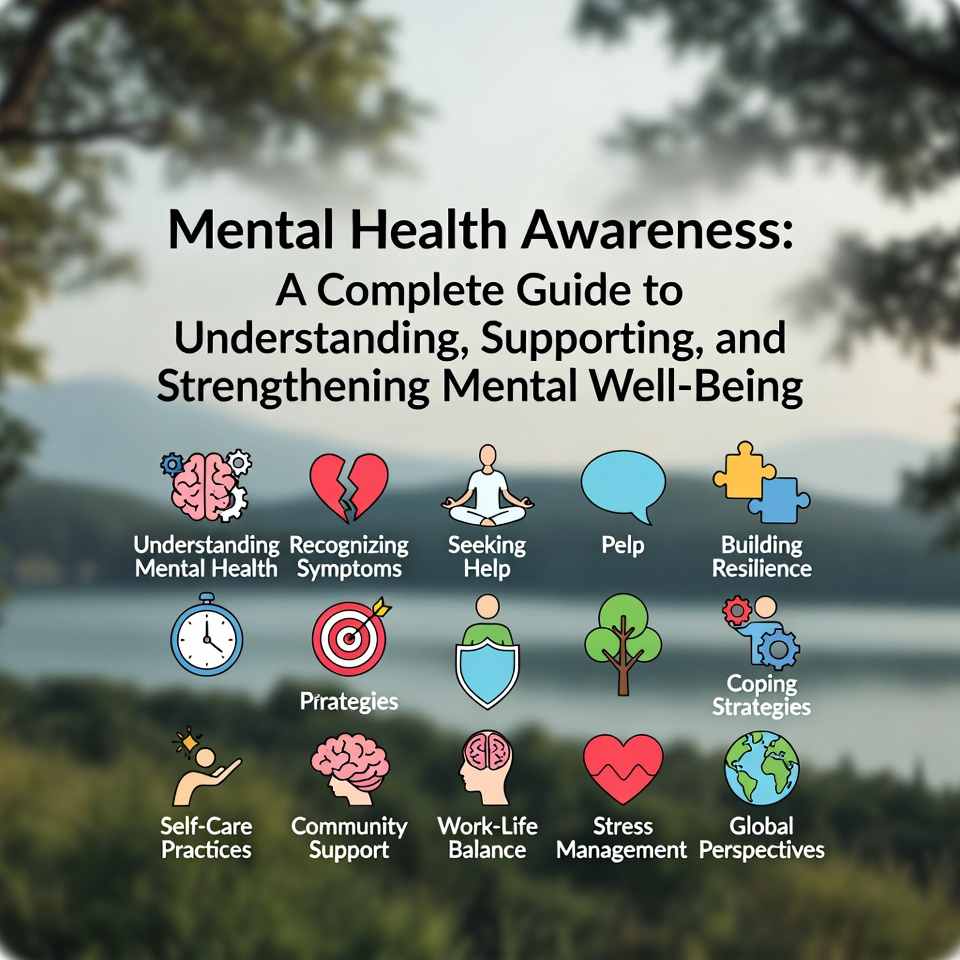
Mental Health Awareness: A Complete Guide to Understanding, Supporting, and Strengthening Mental Well-Being

Introduction: Why Mental Health Awareness Matters More Than Ever
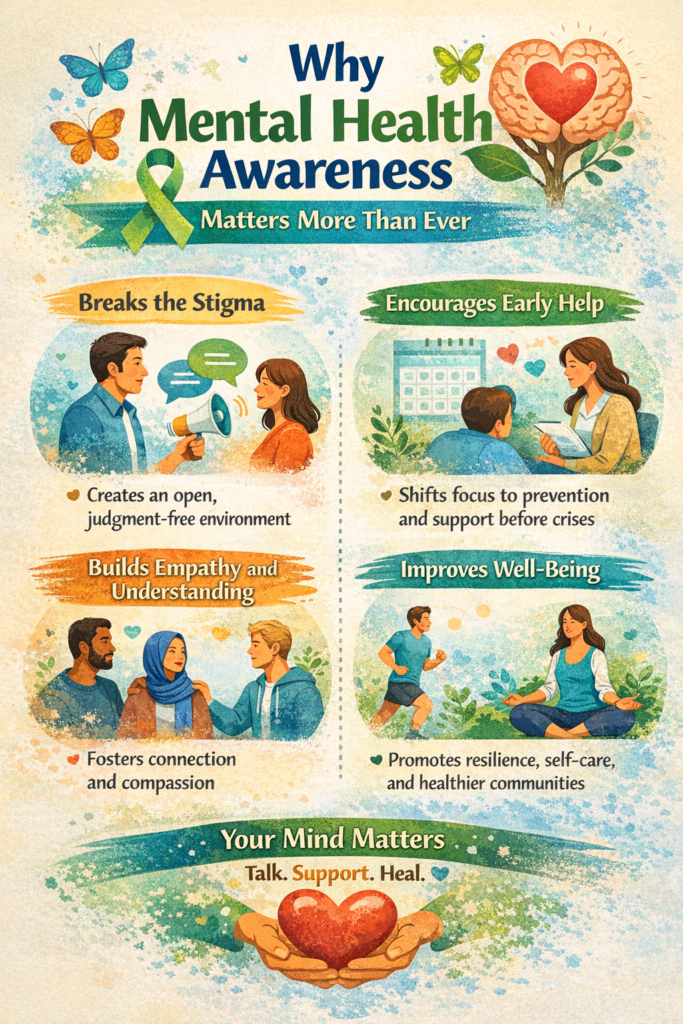
Mental health awareness isn’t just a trending phrase or a once-a-year campaign—it’s a fundamental part of living a healthy, balanced, and meaningful life. Just like physical health, mental health influences how we think, feel, act, and interact with the world around us. Yet, for decades, mental health was pushed into the shadows, wrapped in stigma, misunderstanding, and silence. Today, that silence is slowly breaking, and that’s a powerful thing.

We live in a fast-paced world filled with constant notifications, endless responsibilities, financial pressures, social expectations, and global uncertainties. All of this takes a toll on the mind. Anxiety, depression, stress, and burnout have become common experiences, not rare exceptions. Mental health awareness helps people recognize that struggling mentally doesn’t mean weakness—it means being human. When we talk openly about mental health, we create space for healing, understanding, and support.

Raising awareness also saves lives. Early recognition of mental health challenges can prevent conditions from worsening and reduce the risk of self-harm or suicide. It empowers individuals to seek help without shame and encourages communities, workplaces, and governments to invest in mental health resources. Think of awareness as a light in a dark room—the more light we have, the easier it becomes to see clearly and move forward safely.

Mental health awareness matters because it reminds us that everyone has a mind that needs care. Whether you’re thriving, surviving, or struggling, your mental well-being deserves attention. This guide dives deep into every aspect of mental health awareness, offering knowledge, empathy, and practical insights to help build a mentally healthier world—one conversation at a time.


Understanding Mental Health

Mental health is often misunderstood, oversimplified, or incorrectly associated only with mental illness. In reality, mental health is a broad and dynamic concept that affects every single person, every single day. At its core, mental health refers to our emotional, psychological, and social well-being. It shapes how we handle stress, relate to others, make decisions, and cope with life’s ups and downs.

Good mental health doesn’t mean feeling happy all the time. Life naturally includes sadness, frustration, fear, and grief. Being mentally healthy means having the ability to experience these emotions, process them, and continue functioning without becoming overwhelmed. It’s about resilience, adaptability, and balance—not perfection. Just like physical fitness, mental well-being exists on a spectrum and can change over time.

One of the most important distinctions to understand is the difference between mental health and mental illness. Mental health is something everyone has, while mental illness refers to specific conditions that affect thinking, mood, or behavior. You can have poor mental health without a diagnosed illness, and you can live a fulfilling life even while managing a mental health disorder. This distinction helps reduce fear and encourages people to focus on wellness, not labels.

Unfortunately, myths still surround mental health. Some believe mental health problems are rare, untreatable, or caused by personal failure. These misconceptions prevent people from seeking help and contribute to stigma. In truth, mental health conditions are common, treatable, and influenced by a complex mix of biology, environment, and life experiences.

Understanding mental health is the first step toward awareness. When we educate ourselves, we become more compassionate toward others and kinder to ourselves. Knowledge replaces judgment, and awareness becomes the foundation for healthier individuals and stronger communities.


The Global State of Mental Health

Mental health care sketch diagram

Mental health challenges are not confined to one country, culture, or age group—they are a global concern. According to international health organizations, hundreds of millions of people worldwide live with mental health conditions. Anxiety and depression alone affect a significant portion of the global population, making them among the leading causes of disability across the world.

Children and adolescents are particularly vulnerable. Academic pressure, social media influence, family stress, and identity struggles contribute to rising mental health issues among young people. Early exposure to stress without proper support can have long-term effects on emotional development and overall well-being. Adults, too, face mental health challenges linked to work stress, financial instability, relationship issues, and caregiving responsibilities.

The workplace has become a major contributor to mental health concerns. Long hours, unrealistic expectations, job insecurity, and lack of work-life balance lead to burnout, anxiety, and depression. Mental health-related absenteeism and reduced productivity cost economies billions each year, highlighting the urgent need for supportive work environments.

Globally, access to mental health care remains uneven. In many regions, mental health services are underfunded, understaffed, or inaccessible. Cultural stigma and lack of awareness further prevent people from seeking help. This gap between need and care underscores why mental health awareness is not just a personal issue but a public health priority.

By understanding the global state of mental health, we see the bigger picture. Awareness helps drive policy changes, funding, and innovation. It reminds us that mental health is a universal human issue—one that requires collective responsibility, compassion, and action.


Common Mental Health Disorders
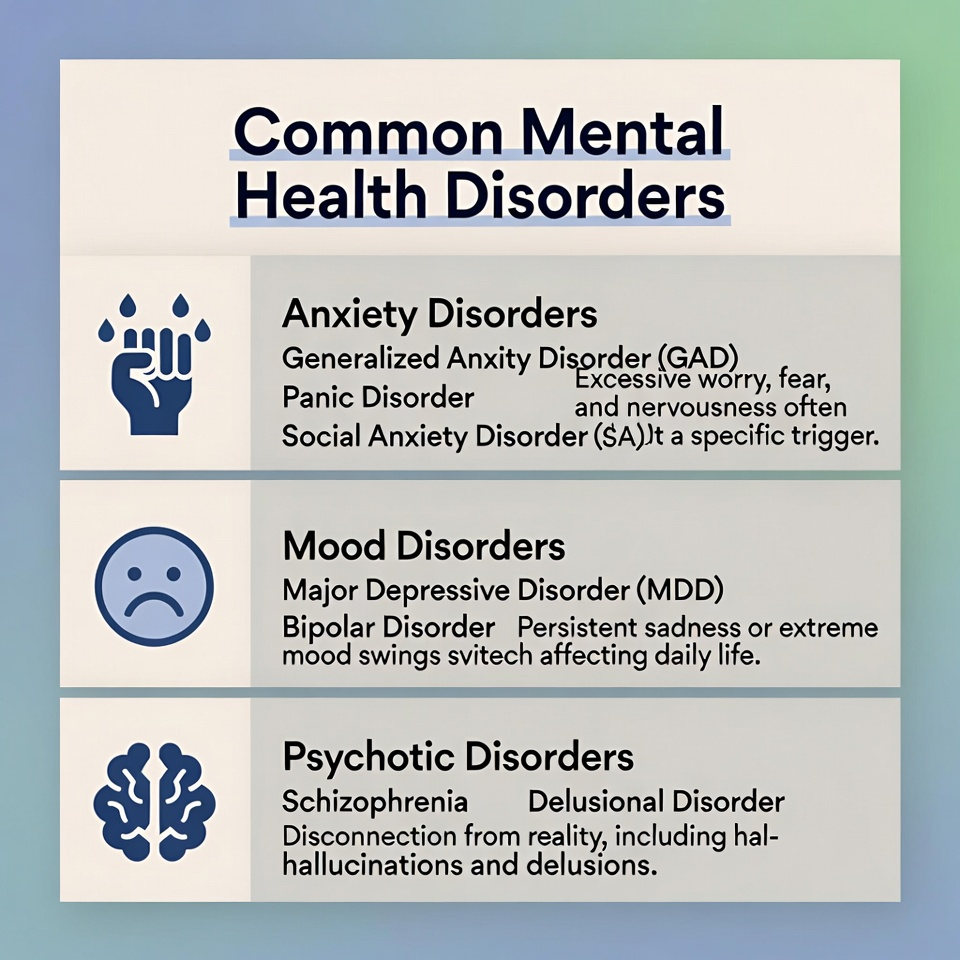
Mental health disorders come in many forms, each with unique symptoms, causes, and treatment approaches. Understanding these conditions helps reduce fear and misinformation while encouraging empathy and early support. One of the most common categories is anxiety disorders, which include generalized anxiety disorder, panic disorder, and social anxiety. These conditions are characterized by excessive worry, fear, and physical symptoms like rapid heartbeat or restlessness.

Depression is another widespread mental health disorder that goes beyond temporary sadness. Major depressive disorder can affect mood, energy levels, sleep, appetite, and self-worth, often making daily activities feel overwhelming. Persistent depressive disorder, a long-term form of depression, may be less intense but lasts for years, silently affecting quality of life.

Bipolar disorder involves extreme mood swings, ranging from emotional highs (mania or hypomania) to deep lows (depression). These shifts can impact relationships, work, and decision-making if left untreated. Post-traumatic stress disorder, or PTSD, develops after experiencing or witnessing traumatic events and can cause flashbacks, nightmares, and emotional numbness.

Eating disorders, such as anorexia nervosa, bulimia nervosa, and binge-eating disorder, are complex conditions involving unhealthy relationships with food, body image, and self-control. Schizophrenia and other psychotic disorders affect perception, thinking, and behavior, often involving hallucinations or delusions.

Recognizing these disorders as medical conditions—not personal flaws—is essential. With proper treatment, support, and understanding, people living with mental health disorders can lead meaningful, productive lives. Awareness replaces fear with facts and opens the door to recovery and hope.


Causes and Risk Factors of Mental Health Issues
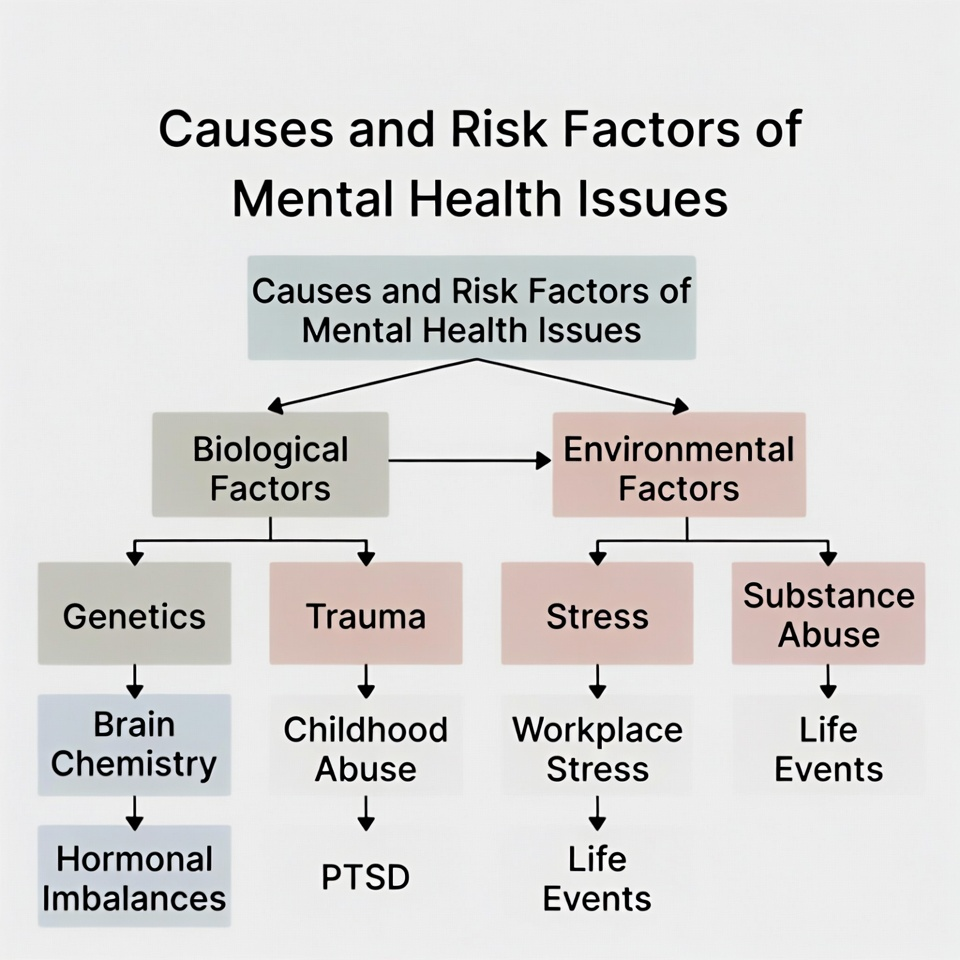
Mental health challenges rarely have a single cause. Instead, they develop through a complex interaction of biological, psychological, and social factors. Understanding these causes and risk factors is a crucial part of mental health awareness because it helps people move away from blame and toward prevention and early support.

Biological factors include genetics, brain chemistry, and hormonal imbalances. If mental health conditions run in a family, an individual may have a higher risk, though genetics alone do not determine outcomes. Neurotransmitters—chemical messengers in the brain—play a vital role in regulating mood and emotions. When these systems are disrupted, conditions like depression or anxiety may develop.

Psychological factors are equally influential. Trauma, unresolved grief, chronic stress, low self-esteem, and negative thought patterns can all contribute to mental health struggles. Experiences such as childhood neglect, abuse, or significant loss can leave lasting emotional imprints that affect mental well-being well into adulthood.

Social and environmental factors also play a powerful role. Poverty, unemployment, discrimination, social isolation, and unstable living conditions increase the risk of mental health issues. Even seemingly ordinary pressures—like academic stress, workplace demands, or relationship conflicts—can accumulate over time and overwhelm coping mechanisms.

In today’s world, lifestyle and digital influences cannot be ignored. Excessive screen time, social media comparison, lack of physical activity, poor sleep, and unhealthy diets all affect mental health. Awareness of these risk factors empowers individuals to make informed choices, seek help early, and create environments that support mental well-being rather than undermine it.


Signs and Symptoms of Mental Health Challenges
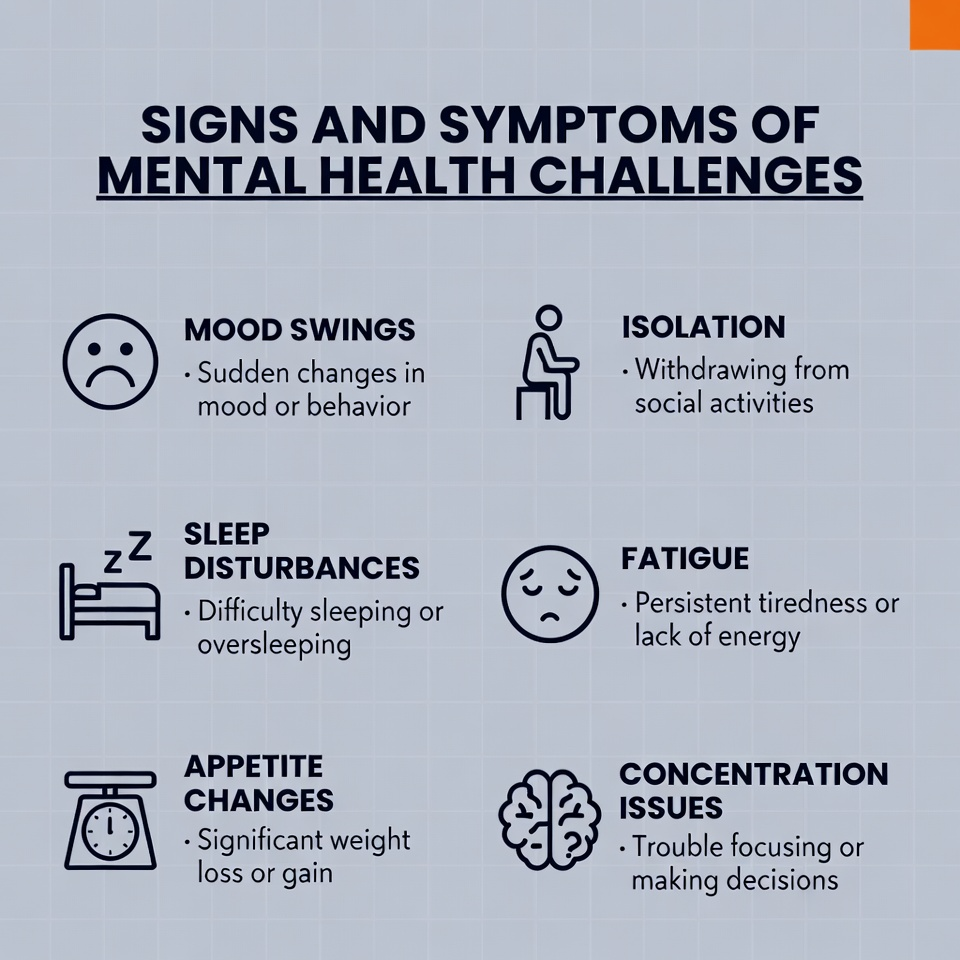
Mental health issues often develop quietly, making early signs easy to overlook. That’s why awareness of symptoms is so important. Emotional symptoms may include persistent sadness, irritability, excessive fear, mood swings, or feelings of emptiness. These emotions may linger longer than expected or feel disproportionate to the situation.

Physical symptoms are also common and frequently misunderstood. Headaches, digestive problems, chronic fatigue, muscle tension, and sleep disturbances can all be linked to mental health conditions. Because these symptoms appear physical, people may seek medical help without realizing the underlying psychological cause.

Behavioral changes are another key indicator. Withdrawing from social activities, changes in eating habits, neglecting responsibilities, substance misuse, or sudden drops in performance at work or school can signal deeper struggles. Some individuals may become unusually quiet, while others may display increased anger or restlessness.

Certain warning signs require immediate attention, such as thoughts of self-harm, suicidal ideation, or drastic changes in behavior. Mental health awareness teaches us to take these signs seriously and respond with compassion rather than judgment.

Recognizing symptoms early allows for timely intervention, which often leads to better outcomes. When people know what to look for, they can seek help sooner, support others more effectively, and reduce the long-term impact of mental health challenges.


The Importance of Mental Health Awareness

Mental health awareness is more than education—it’s a cultural shift. One of its most powerful impacts is reducing stigma. When mental health is openly discussed, it becomes normalized, and people feel safer admitting when they’re struggling. This openness replaces shame with understanding and silence with support.

Awareness also encourages early intervention. Many mental health conditions are highly treatable, especially when addressed early. When people recognize symptoms and know where to seek help, they are less likely to reach crisis points. Early support can prevent conditions from becoming more severe and improve long-term quality of life.

Another key benefit is empathy. Awareness helps people understand experiences different from their own, fostering compassion in families, workplaces, schools, and communities. It reminds us that mental health struggles are not signs of weakness but part of the human experience.

Ultimately, mental health awareness improves overall well-being. When societies prioritize mental health, individuals are more resilient, productive, and fulfilled. Awareness lays the groundwork for healthier relationships, stronger communities, and a more humane world.


Mental Health and Physical Health Connection

The connection between mental and physical health is deep and undeniable. The mind and body are not separate systems—they constantly influence each other. Chronic stress, anxiety, and depression can weaken the immune system, increase inflammation, and raise the risk of conditions like heart disease and diabetes.

Mental health challenges often affect lifestyle habits. People struggling emotionally may find it harder to exercise, eat well, or get enough sleep. These behaviors, in turn, can worsen both physical and mental health, creating a cycle that’s difficult to break without support.

Chronic physical illnesses can also impact mental well-being. Living with ongoing pain, mobility limitations, or serious diagnoses can lead to anxiety, depression, or feelings of helplessness. This highlights the need for integrated healthcare approaches that address both mental and physical needs.

Mental health awareness encourages holistic care. When people understand the mind-body connection, they are more likely to seek comprehensive treatment and adopt healthier lifestyles that support overall well-being.


Mental Health Awareness in Different Communities

Mental health experiences vary across different communities, shaped by culture, gender, age, and social context. Children and adolescents face unique challenges related to development, peer pressure, and academic stress. Early mental health education can equip them with coping skills that last a lifetime.

Adults often struggle with work-life balance, financial responsibilities, and caregiving roles. Seniors may face isolation, loss, or cognitive changes that affect mental health. Men’s mental health is frequently overlooked due to societal expectations around emotional expression, leading many men to suffer in silence.

Women may experience mental health challenges linked to hormonal changes, caregiving burdens, or gender-based discrimination. Marginalized communities often face additional stressors, including racism, inequality, and limited access to care.

Awareness must be inclusive and culturally sensitive. Recognizing diverse experiences ensures that mental health support reaches everyone, not just a select few.


Mental Health in the Digital Age

Technology has transformed how we live, work, and connect—but it has also reshaped mental health. Social media can foster connection, yet constant comparison, online harassment, and unrealistic standards often contribute to anxiety and low self-esteem.

Excessive screen time can disrupt sleep patterns, reduce physical activity, and increase feelings of isolation. Cyberbullying, especially among young people, has become a serious mental health concern with lasting emotional effects.

Mental health awareness in the digital age involves promoting healthy online habits. Setting boundaries, practicing digital detoxes, and using technology mindfully can help protect mental well-being while still enjoying the benefits of modern life.


Mental Health in the Workplace

Workplaces are a major influence on mental health. Chronic stress, burnout, lack of recognition, and poor management can erode well-being over time. Mental health awareness encourages organizations to create supportive environments where employees feel valued and heard.

Healthy workplaces promote work-life balance, provide mental health resources, and foster open communication. Employers benefit too—mentally healthy employees are more engaged, productive, and loyal.

Employees also play a role by setting boundaries, seeking support, and supporting colleagues. Awareness turns the workplace into a space of growth rather than pressure.


Coping Strategies and Self-Care Practices

Self-care is not selfish—it’s essential. Daily habits like regular exercise, balanced nutrition, and adequate sleep form the foundation of mental well-being. Mindfulness practices such as meditation and deep breathing help calm the mind and reduce stress.

Creative outlets, social connection, and time in nature also support emotional health. Coping strategies vary from person to person, and awareness helps individuals discover what works best for them.

Self-care doesn’t replace professional help, but it complements it. Together, they create a sustainable approach to mental wellness.


Professional Help and Treatment Options

Professional support is a vital part of mental health care. Therapy and counseling provide safe spaces to explore emotions, develop coping skills, and gain insight. Medication may be helpful for some conditions, especially when combined with therapy.

Alternative approaches, such as yoga, art therapy, or holistic practices, can also support recovery. Mental health awareness encourages people to seek help without fear and to view treatment as a strength, not a failure.


How to Support Someone with Mental Health Challenges

Supporting someone with mental health challenges starts with listening. Offering empathy, patience, and understanding can make a profound difference. Avoid minimizing their feelings or offering quick fixes.

Encourage professional help when needed and remain a consistent presence. Awareness teaches us that sometimes, just being there is enough.


Mental Health Awareness Campaigns and Initiatives

Global initiatives like World Mental Health Day bring attention to mental well-being and inspire action. Community programs, educational efforts, and media representation all play roles in spreading awareness.

These initiatives remind us that mental health is a shared responsibility and that collective action can drive meaningful change.


Breaking the Stigma Around Mental Health

Stigma thrives on silence and misinformation. Open conversations, inclusive language, and accurate representation help dismantle harmful stereotypes.

When mental health is treated with the same respect as physical health, people feel empowered to seek support and share their stories.


The Future of Mental Health Awareness

The future of mental health awareness is hopeful. Advances in technology, teletherapy, and research are expanding access to care. Policy changes and advocacy efforts continue to push mental health higher on global agendas.

A more compassionate, informed society is possible—and awareness is the path forward.


Conclusion: Making Mental Health Awareness a Daily Priority

Mental health awareness is not a destination; it’s an ongoing journey. By educating ourselves, supporting one another, and challenging stigma, we create a world where mental well-being is valued and protected. Every conversation matters. Every act of empathy counts. Mental health awareness starts with us—and it continues with how we choose to live, connect, and care.


FAQs

1. What is mental health awareness?
Mental health awareness involves understanding mental well-being, recognizing challenges, and promoting support and acceptance.

2. Why is mental health awareness important?
It reduces stigma, encourages early intervention, and improves overall quality of life.

3. How can I improve my mental health daily?
Practice self-care, maintain healthy habits, seek connection, and ask for help when needed.

4. When should someone seek professional help?
If symptoms persist, worsen, or interfere with daily life, professional support is recommended.

5. How can society support mental health awareness?
Through education, inclusive policies, open dialogue, and accessible mental health services.


Leave a Reply

Your email address will not be published. Required fields are marked *

Share this content

Mental Health Awareness: A Complete Guide to Understanding, Supporting, and Strengthening Mental Well-Being

Introduction: Why Mental Health Awareness Matters More Than Ever

Mental health awareness isn’t just a trending phrase or a once-a-year campaign—it’s a fundamental part of living a healthy, balanced, and meaningful life. Just like physical health, mental health influences how we think, feel, act, and interact with the world around us. Yet, for decades, mental health was pushed into the shadows, wrapped in stigma, misunderstanding, and silence. Today, that silence is slowly breaking, and that’s a powerful thing.

We live in a fast-paced world filled with constant notifications, endless responsibilities, financial pressures, social expectations, and global uncertainties. All of this takes a toll on the mind. Anxiety, depression, stress, and burnout have become common experiences, not rare exceptions. Mental health awareness helps people recognize that struggling mentally doesn’t mean weakness—it means being human. When we talk openly about mental health, we create space for healing, understanding, and support.

Raising awareness also saves lives. Early recognition of mental health challenges can prevent conditions from worsening and reduce the risk of self-harm or suicide. It empowers individuals to seek help without shame and encourages communities, workplaces, and governments to invest in mental health resources. Think of awareness as a light in a dark room—the more light we have, the easier it becomes to see clearly and move forward safely.

Mental health awareness matters because it reminds us that everyone has a mind that needs care. Whether you’re thriving, surviving, or struggling, your mental well-being deserves attention. This guide dives deep into every aspect of mental health awareness, offering knowledge, empathy, and practical insights to help build a mentally healthier world—one conversation at a time.


Understanding Mental Health

Mental health is often misunderstood, oversimplified, or incorrectly associated only with mental illness. In reality, mental health is a broad and dynamic concept that affects every single person, every single day. At its core, mental health refers to our emotional, psychological, and social well-being. It shapes how we handle stress, relate to others, make decisions, and cope with life’s ups and downs.

Good mental health doesn’t mean feeling happy all the time. Life naturally includes sadness, frustration, fear, and grief. Being mentally healthy means having the ability to experience these emotions, process them, and continue functioning without becoming overwhelmed. It’s about resilience, adaptability, and balance—not perfection. Just like physical fitness, mental well-being exists on a spectrum and can change over time.

One of the most important distinctions to understand is the difference between mental health and mental illness. Mental health is something everyone has, while mental illness refers to specific conditions that affect thinking, mood, or behavior. You can have poor mental health without a diagnosed illness, and you can live a fulfilling life even while managing a mental health disorder. This distinction helps reduce fear and encourages people to focus on wellness, not labels.

Unfortunately, myths still surround mental health. Some believe mental health problems are rare, untreatable, or caused by personal failure. These misconceptions prevent people from seeking help and contribute to stigma. In truth, mental health conditions are common, treatable, and influenced by a complex mix of biology, environment, and life experiences.

Understanding mental health is the first step toward awareness. When we educate ourselves, we become more compassionate toward others and kinder to ourselves. Knowledge replaces judgment, and awareness becomes the foundation for healthier individuals and stronger communities.


The Global State of Mental Health

Mental health care sketch diagram

Mental health challenges are not confined to one country, culture, or age group—they are a global concern. According to international health organizations, hundreds of millions of people worldwide live with mental health conditions. Anxiety and depression alone affect a significant portion of the global population, making them among the leading causes of disability across the world.

Children and adolescents are particularly vulnerable. Academic pressure, social media influence, family stress, and identity struggles contribute to rising mental health issues among young people. Early exposure to stress without proper support can have long-term effects on emotional development and overall well-being. Adults, too, face mental health challenges linked to work stress, financial instability, relationship issues, and caregiving responsibilities.

The workplace has become a major contributor to mental health concerns. Long hours, unrealistic expectations, job insecurity, and lack of work-life balance lead to burnout, anxiety, and depression. Mental health-related absenteeism and reduced productivity cost economies billions each year, highlighting the urgent need for supportive work environments.

Globally, access to mental health care remains uneven. In many regions, mental health services are underfunded, understaffed, or inaccessible. Cultural stigma and lack of awareness further prevent people from seeking help. This gap between need and care underscores why mental health awareness is not just a personal issue but a public health priority.

By understanding the global state of mental health, we see the bigger picture. Awareness helps drive policy changes, funding, and innovation. It reminds us that mental health is a universal human issue—one that requires collective responsibility, compassion, and action.


Common Mental Health Disorders

Mental health disorders come in many forms, each with unique symptoms, causes, and treatment approaches. Understanding these conditions helps reduce fear and misinformation while encouraging empathy and early support. One of the most common categories is anxiety disorders, which include generalized anxiety disorder, panic disorder, and social anxiety. These conditions are characterized by excessive worry, fear, and physical symptoms like rapid heartbeat or restlessness.

Depression is another widespread mental health disorder that goes beyond temporary sadness. Major depressive disorder can affect mood, energy levels, sleep, appetite, and self-worth, often making daily activities feel overwhelming. Persistent depressive disorder, a long-term form of depression, may be less intense but lasts for years, silently affecting quality of life.

Bipolar disorder involves extreme mood swings, ranging from emotional highs (mania or hypomania) to deep lows (depression). These shifts can impact relationships, work, and decision-making if left untreated. Post-traumatic stress disorder, or PTSD, develops after experiencing or witnessing traumatic events and can cause flashbacks, nightmares, and emotional numbness.

Eating disorders, such as anorexia nervosa, bulimia nervosa, and binge-eating disorder, are complex conditions involving unhealthy relationships with food, body image, and self-control. Schizophrenia and other psychotic disorders affect perception, thinking, and behavior, often involving hallucinations or delusions.

Recognizing these disorders as medical conditions—not personal flaws—is essential. With proper treatment, support, and understanding, people living with mental health disorders can lead meaningful, productive lives. Awareness replaces fear with facts and opens the door to recovery and hope.


Causes and Risk Factors of Mental Health Issues

Mental health challenges rarely have a single cause. Instead, they develop through a complex interaction of biological, psychological, and social factors. Understanding these causes and risk factors is a crucial part of mental health awareness because it helps people move away from blame and toward prevention and early support.

Biological factors include genetics, brain chemistry, and hormonal imbalances. If mental health conditions run in a family, an individual may have a higher risk, though genetics alone do not determine outcomes. Neurotransmitters—chemical messengers in the brain—play a vital role in regulating mood and emotions. When these systems are disrupted, conditions like depression or anxiety may develop.

Psychological factors are equally influential. Trauma, unresolved grief, chronic stress, low self-esteem, and negative thought patterns can all contribute to mental health struggles. Experiences such as childhood neglect, abuse, or significant loss can leave lasting emotional imprints that affect mental well-being well into adulthood.

Social and environmental factors also play a powerful role. Poverty, unemployment, discrimination, social isolation, and unstable living conditions increase the risk of mental health issues. Even seemingly ordinary pressures—like academic stress, workplace demands, or relationship conflicts—can accumulate over time and overwhelm coping mechanisms.

In today’s world, lifestyle and digital influences cannot be ignored. Excessive screen time, social media comparison, lack of physical activity, poor sleep, and unhealthy diets all affect mental health. Awareness of these risk factors empowers individuals to make informed choices, seek help early, and create environments that support mental well-being rather than undermine it.


Signs and Symptoms of Mental Health Challenges

Mental health issues often develop quietly, making early signs easy to overlook. That’s why awareness of symptoms is so important. Emotional symptoms may include persistent sadness, irritability, excessive fear, mood swings, or feelings of emptiness. These emotions may linger longer than expected or feel disproportionate to the situation.

Physical symptoms are also common and frequently misunderstood. Headaches, digestive problems, chronic fatigue, muscle tension, and sleep disturbances can all be linked to mental health conditions. Because these symptoms appear physical, people may seek medical help without realizing the underlying psychological cause.

Behavioral changes are another key indicator. Withdrawing from social activities, changes in eating habits, neglecting responsibilities, substance misuse, or sudden drops in performance at work or school can signal deeper struggles. Some individuals may become unusually quiet, while others may display increased anger or restlessness.

Certain warning signs require immediate attention, such as thoughts of self-harm, suicidal ideation, or drastic changes in behavior. Mental health awareness teaches us to take these signs seriously and respond with compassion rather than judgment.

Recognizing symptoms early allows for timely intervention, which often leads to better outcomes. When people know what to look for, they can seek help sooner, support others more effectively, and reduce the long-term impact of mental health challenges.


The Importance of Mental Health Awareness

Mental health awareness is more than education—it’s a cultural shift. One of its most powerful impacts is reducing stigma. When mental health is openly discussed, it becomes normalized, and people feel safer admitting when they’re struggling. This openness replaces shame with understanding and silence with support.

Awareness also encourages early intervention. Many mental health conditions are highly treatable, especially when addressed early. When people recognize symptoms and know where to seek help, they are less likely to reach crisis points. Early support can prevent conditions from becoming more severe and improve long-term quality of life.

Another key benefit is empathy. Awareness helps people understand experiences different from their own, fostering compassion in families, workplaces, schools, and communities. It reminds us that mental health struggles are not signs of weakness but part of the human experience.

Ultimately, mental health awareness improves overall well-being. When societies prioritize mental health, individuals are more resilient, productive, and fulfilled. Awareness lays the groundwork for healthier relationships, stronger communities, and a more humane world.


Mental Health and Physical Health Connection

The connection between mental and physical health is deep and undeniable. The mind and body are not separate systems—they constantly influence each other. Chronic stress, anxiety, and depression can weaken the immune system, increase inflammation, and raise the risk of conditions like heart disease and diabetes.

Mental health challenges often affect lifestyle habits. People struggling emotionally may find it harder to exercise, eat well, or get enough sleep. These behaviors, in turn, can worsen both physical and mental health, creating a cycle that’s difficult to break without support.

Chronic physical illnesses can also impact mental well-being. Living with ongoing pain, mobility limitations, or serious diagnoses can lead to anxiety, depression, or feelings of helplessness. This highlights the need for integrated healthcare approaches that address both mental and physical needs.

Mental health awareness encourages holistic care. When people understand the mind-body connection, they are more likely to seek comprehensive treatment and adopt healthier lifestyles that support overall well-being.


Mental Health Awareness in Different Communities

Mental health experiences vary across different communities, shaped by culture, gender, age, and social context. Children and adolescents face unique challenges related to development, peer pressure, and academic stress. Early mental health education can equip them with coping skills that last a lifetime.

Adults often struggle with work-life balance, financial responsibilities, and caregiving roles. Seniors may face isolation, loss, or cognitive changes that affect mental health. Men’s mental health is frequently overlooked due to societal expectations around emotional expression, leading many men to suffer in silence.

Women may experience mental health challenges linked to hormonal changes, caregiving burdens, or gender-based discrimination. Marginalized communities often face additional stressors, including racism, inequality, and limited access to care.

Awareness must be inclusive and culturally sensitive. Recognizing diverse experiences ensures that mental health support reaches everyone, not just a select few.


Mental Health in the Digital Age

Technology has transformed how we live, work, and connect—but it has also reshaped mental health. Social media can foster connection, yet constant comparison, online harassment, and unrealistic standards often contribute to anxiety and low self-esteem.

Excessive screen time can disrupt sleep patterns, reduce physical activity, and increase feelings of isolation. Cyberbullying, especially among young people, has become a serious mental health concern with lasting emotional effects.

Mental health awareness in the digital age involves promoting healthy online habits. Setting boundaries, practicing digital detoxes, and using technology mindfully can help protect mental well-being while still enjoying the benefits of modern life.


Mental Health in the Workplace

Workplaces are a major influence on mental health. Chronic stress, burnout, lack of recognition, and poor management can erode well-being over time. Mental health awareness encourages organizations to create supportive environments where employees feel valued and heard.

Healthy workplaces promote work-life balance, provide mental health resources, and foster open communication. Employers benefit too—mentally healthy employees are more engaged, productive, and loyal.

Employees also play a role by setting boundaries, seeking support, and supporting colleagues. Awareness turns the workplace into a space of growth rather than pressure.


Coping Strategies and Self-Care Practices

Self-care is not selfish—it’s essential. Daily habits like regular exercise, balanced nutrition, and adequate sleep form the foundation of mental well-being. Mindfulness practices such as meditation and deep breathing help calm the mind and reduce stress.

Creative outlets, social connection, and time in nature also support emotional health. Coping strategies vary from person to person, and awareness helps individuals discover what works best for them.

Self-care doesn’t replace professional help, but it complements it. Together, they create a sustainable approach to mental wellness.


Professional Help and Treatment Options

Professional support is a vital part of mental health care. Therapy and counseling provide safe spaces to explore emotions, develop coping skills, and gain insight. Medication may be helpful for some conditions, especially when combined with therapy.

Alternative approaches, such as yoga, art therapy, or holistic practices, can also support recovery. Mental health awareness encourages people to seek help without fear and to view treatment as a strength, not a failure.


How to Support Someone with Mental Health Challenges

Supporting someone with mental health challenges starts with listening. Offering empathy, patience, and understanding can make a profound difference. Avoid minimizing their feelings or offering quick fixes.

Encourage professional help when needed and remain a consistent presence. Awareness teaches us that sometimes, just being there is enough.


Mental Health Awareness Campaigns and Initiatives

Global initiatives like World Mental Health Day bring attention to mental well-being and inspire action. Community programs, educational efforts, and media representation all play roles in spreading awareness.

These initiatives remind us that mental health is a shared responsibility and that collective action can drive meaningful change.


Breaking the Stigma Around Mental Health

Stigma thrives on silence and misinformation. Open conversations, inclusive language, and accurate representation help dismantle harmful stereotypes.

When mental health is treated with the same respect as physical health, people feel empowered to seek support and share their stories.


The Future of Mental Health Awareness

The future of mental health awareness is hopeful. Advances in technology, teletherapy, and research are expanding access to care. Policy changes and advocacy efforts continue to push mental health higher on global agendas.

A more compassionate, informed society is possible—and awareness is the path forward.


Conclusion: Making Mental Health Awareness a Daily Priority

Mental health awareness is not a destination; it’s an ongoing journey. By educating ourselves, supporting one another, and challenging stigma, we create a world where mental well-being is valued and protected. Every conversation matters. Every act of empathy counts. Mental health awareness starts with us—and it continues with how we choose to live, connect, and care.


FAQs

1. What is mental health awareness?
Mental health awareness involves understanding mental well-being, recognizing challenges, and promoting support and acceptance.

2. Why is mental health awareness important?
It reduces stigma, encourages early intervention, and improves overall quality of life.

3. How can I improve my mental health daily?
Practice self-care, maintain healthy habits, seek connection, and ask for help when needed.

4. When should someone seek professional help?
If symptoms persist, worsen, or interfere with daily life, professional support is recommended.

5. How can society support mental health awareness?
Through education, inclusive policies, open dialogue, and accessible mental health services.


Leave a Reply

Your email address will not be published. Required fields are marked *

Post Author

Jordan Frank

It is a long established fact that a reader will be distracted by the readable content of a page when looking at its layout.

Recent Post

Top Categories

Tags