
 By SAIMA KHAN
Introduction to Child Psychology
Child psychology is like opening a window into a world that is constantly growing, shifting, and redefining itself. Every child is a universe of thoughts, emotions, fears, curiosity, and imagination. Understanding how children think and feel is not just fascinating—it’s essential. Child psychology helps us decode the mental, emotional, and behavioral processes that shape a child from infancy through adolescence. It explains why a toddler throws tantrums, why a school-aged child struggles with confidence, or why a teenager seeks independence while still craving security.
In today’s fast-paced world, children face challenges that previous generations never imagined. From digital overload to academic pressure and social expectations, their mental landscape is more complex than ever. Child psychology offers parents, educators, and caregivers the tools to understand these challenges and respond with empathy rather than frustration. It bridges the gap between “bad behavior” and unmet emotional needs.
At its core, child psychology isn’t about labeling children or diagnosing problems at every turn. It’s about understanding development, nurturing strengths, and supporting healthy growth. When we understand a child’s psychological needs, we create environments where they can thrive emotionally, socially, and intellectually. And honestly, isn’t that what every adult wants for the children in their lives?
What Is Child Psychology and Why It Matters
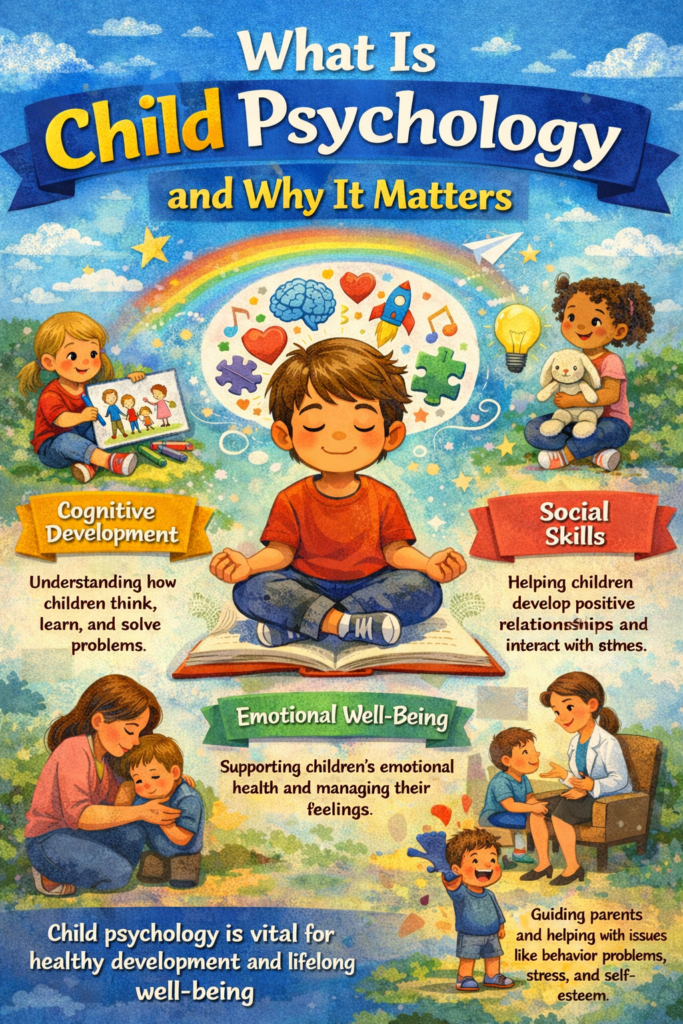
Child psychology is a specialized branch of psychology that focuses on the mental, emotional, and behavioral development of children from birth through adolescence. It examines how children grow, learn, interact with others, and handle emotions at different stages of life. But more importantly, it helps adults understand why children behave the way they do.
Think of child psychology as a roadmap. Without it, parents and teachers are often driving blind, reacting to behavior without understanding the underlying causes. With it, we can see patterns, triggers, and developmental milestones that explain a child’s actions. For example, a child acting out in class may not be “naughty” but overwhelmed, anxious, or struggling to communicate.
The importance of child psychology goes far beyond academics or discipline. It plays a critical role in identifying developmental delays, learning difficulties, emotional struggles, and mental health issues early on. Early intervention can make a life-changing difference. When children receive support at the right time, they’re more likely to grow into emotionally resilient, confident adults.
Child psychology also matters because childhood experiences shape adulthood. Emotional neglect, insecure attachment, or chronic stress in childhood can echo into adult life. By understanding child psychology, we can break unhealthy cycles and build a foundation of emotional well-being that lasts a lifetime.
Historical Evolution of Child Psychology
Early Theories and Foundations
Child psychology didn’t always exist as a distinct field. For centuries, children were viewed as miniature adults, expected to behave and think like grown-ups. It wasn’t until the late 19th and early 20th centuries that psychologists began to recognize childhood as a unique developmental stage.
Early pioneers like Jean Piaget revolutionized how we understand children’s thinking. Piaget’s theory of cognitive development showed that children don’t just know less than adults—they think differently. His stages of development highlighted how children gradually move from concrete thinking to abstract reasoning. Similarly, Sigmund Freud introduced the idea that early childhood experiences deeply influence personality and emotional health.
Although some early theories were controversial, they laid the groundwork for modern child psychology. They shifted the focus from punishment and control to understanding and guidance. This was a massive leap forward, transforming how children were raised, educated, and treated in society.
Modern Approaches and Research
Modern child psychology is far more holistic and evidence-based. Today, researchers consider biological, psychological, social, and cultural factors when studying child development. Advances in neuroscience have shown how a child’s brain develops and how early experiences shape neural pathways.
Contemporary theories emphasize emotional intelligence, attachment, and social learning. Psychologists now recognize that children learn not only from instruction but also from observation and relationships. The role of caregivers, peers, and environment is seen as equally important as genetics.
Modern child psychology also embraces diversity. It acknowledges that children grow up in different cultural, social, and economic contexts, all of which influence development. This inclusive approach allows for more personalized and effective support for children across the globe.
Stages of Child Development
Infancy and Toddlerhood
The first few years of life are nothing short of magical—and incredibly important. During infancy and toddlerhood, the brain develops at a rapid pace, forming millions of neural connections every second. This stage lays the foundation for emotional security, trust, and basic cognitive skills.
Infants learn through sensory experiences. Touch, sound, sight, and movement help them understand the world. Emotional development begins with attachment. When caregivers respond consistently and lovingly, children develop a sense of safety. This secure attachment becomes the blueprint for future relationships.
Toddlers, on the other hand, are explorers. They test boundaries, assert independence, and express emotions intensely. Tantrums are common, not because toddlers are difficult, but because their emotional regulation skills are still developing. Child psychology helps adults respond with patience rather than punishment, supporting healthy emotional growth.
Early Childhood
Early childhood is a time of imagination, curiosity, and rapid learning. Children begin to develop language skills, social awareness, and a sense of self. They ask endless questions, engage in pretend play, and start understanding rules and routines.
Emotionally, children in this stage are learning to identify and express feelings. They may struggle with frustration, jealousy, or fear, but these experiences are part of normal development. Socially, they begin forming friendships and learning cooperation.
Child psychology emphasizes the importance of play during this stage. Play isn’t just fun—it’s how children process emotions, practice social skills, and make sense of the world. Supporting play-based learning helps children develop confidence and creativity.
Cognitive Development in Children
Learning, Memory, and Problem-Solving
Cognitive development refers to how children think, learn, remember, and solve problems. From recognizing faces as infants to tackling complex math problems as adolescents, cognitive growth is a continuous journey.
Children learn best when they are actively engaged. Hands-on experiences, curiosity-driven exploration, and supportive guidance enhance learning far more than rote memorization. Child psychology shows that mistakes are not failures but essential learning opportunities.
Memory also develops gradually. Younger children may struggle with long-term recall, while older children can retain and apply information more effectively. Understanding these differences helps parents and teachers set realistic expectations and provide appropriate support.
Language Development
Language is a powerful tool for communication and emotional expression. Children typically progress from babbling to single words, then full sentences. This development is influenced by genetics, environment, and interaction.
Talking, reading, and listening to children strengthens language skills and emotional bonds. Child psychology highlights that responsive communication—where adults listen and respond attentively—plays a crucial role in language development.
Emotional Development and Regulation
Understanding Emotions
Children experience emotions just as deeply as adults, but they lack the skills to manage them. Emotional development involves learning to recognize, name, and express feelings appropriately.
Young children often express emotions through behavior because they don’t yet have the words. Crying, yelling, or withdrawing are signals, not problems. Child psychology teaches adults to look beyond behavior and address the underlying emotions.
Emotional Intelligence in Children
Emotional intelligence includes empathy, self-awareness, and emotional regulation. These skills are not innate—they are learned through relationships and modeling. When adults validate feelings and demonstrate healthy coping strategies, children learn to do the same.
Emotionally intelligent children tend to have better relationships, academic success, and mental health outcomes. Supporting emotional development is one of the greatest gifts adults can give.
Social Development and Relationships
Family Influence
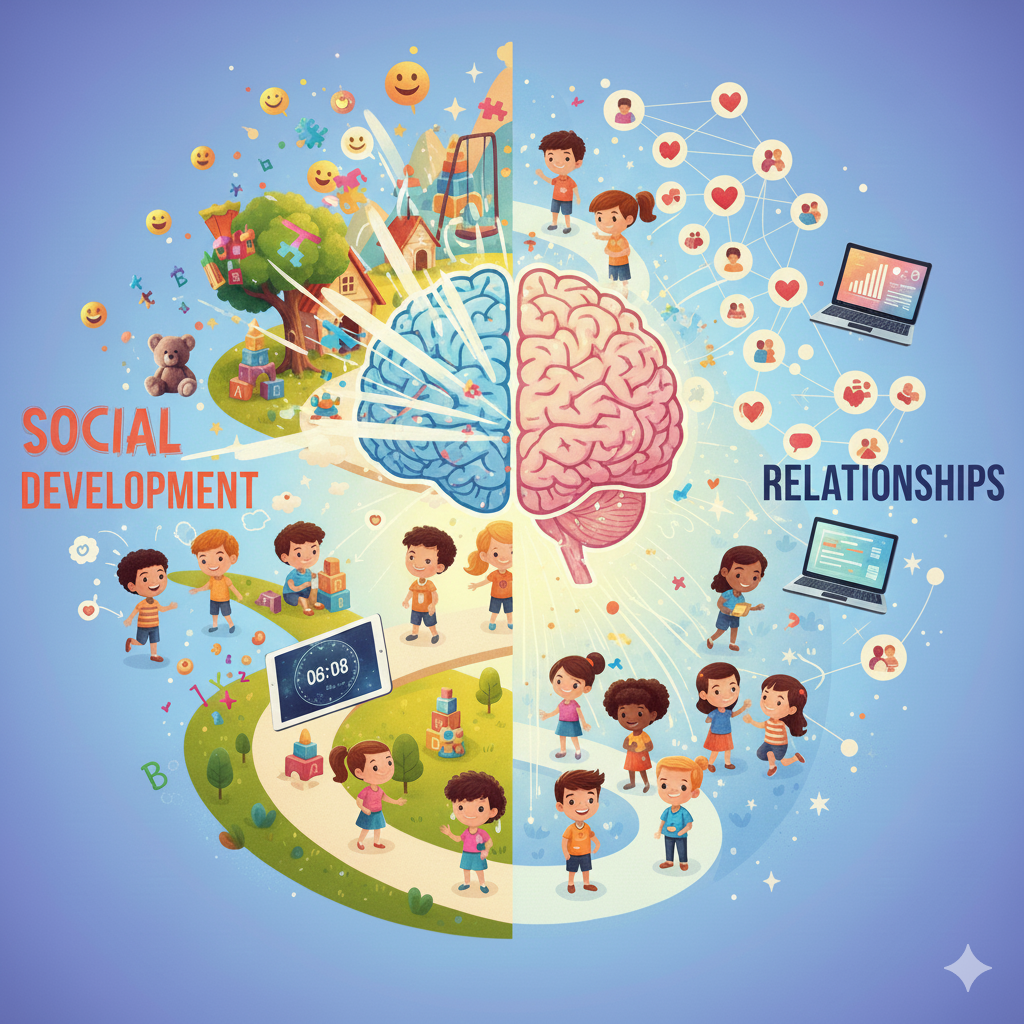
Family is a child’s first social world. The way caregivers communicate, resolve conflict, and show affection shapes a child’s social understanding. Secure, supportive families foster confidence and trust.
Child psychology emphasizes the importance of consistent boundaries and unconditional love. Children need structure, but they also need to feel accepted for who they are.
Peer Relationships and Social Skills
As children grow, peers become increasingly important. Friendships teach cooperation, empathy, and conflict resolution. Social challenges, such as bullying or exclusion, can deeply affect a child’s self-esteem.
Helping children develop social skills and resilience prepares them for healthy relationships throughout life.
Behavioral Development in Children
Behavioral development is one of the most visible aspects of child psychology, and it’s often where adults feel the most confused or overwhelmed. A child’s behavior is not random; it’s communication in action. Whether it’s cooperation, defiance, curiosity, or withdrawal, every behavior tells a story about what a child is experiencing internally and externally. Child psychology helps decode these behaviors, shifting the focus from control to understanding.
Children are constantly learning how the world works and where they fit within it. Early behaviors are heavily influenced by immediate needs—hunger, comfort, attention, and safety. As children grow, behavior becomes more complex, shaped by emotional regulation, social expectations, and cognitive development. What looks like stubbornness in a preschooler may actually be a healthy attempt to assert independence. What seems like laziness in a school-aged child could be anxiety or fear of failure.
Importantly, behavior is learned through experience. Children observe how adults react, solve problems, and express emotions. If a child grows up in an environment where yelling is common, they may adopt the same pattern. Child psychology emphasizes positive reinforcement over punishment, showing that children respond better to encouragement, consistency, and clear expectations.
Understanding behavioral development allows parents and educators to respond with empathy. Instead of asking, “How do I stop this behavior?” child psychology encourages the question, “What is this behavior trying to tell me?” That shift alone can transform relationships and outcomes.
Nature vs. Nurture in Child Psychology
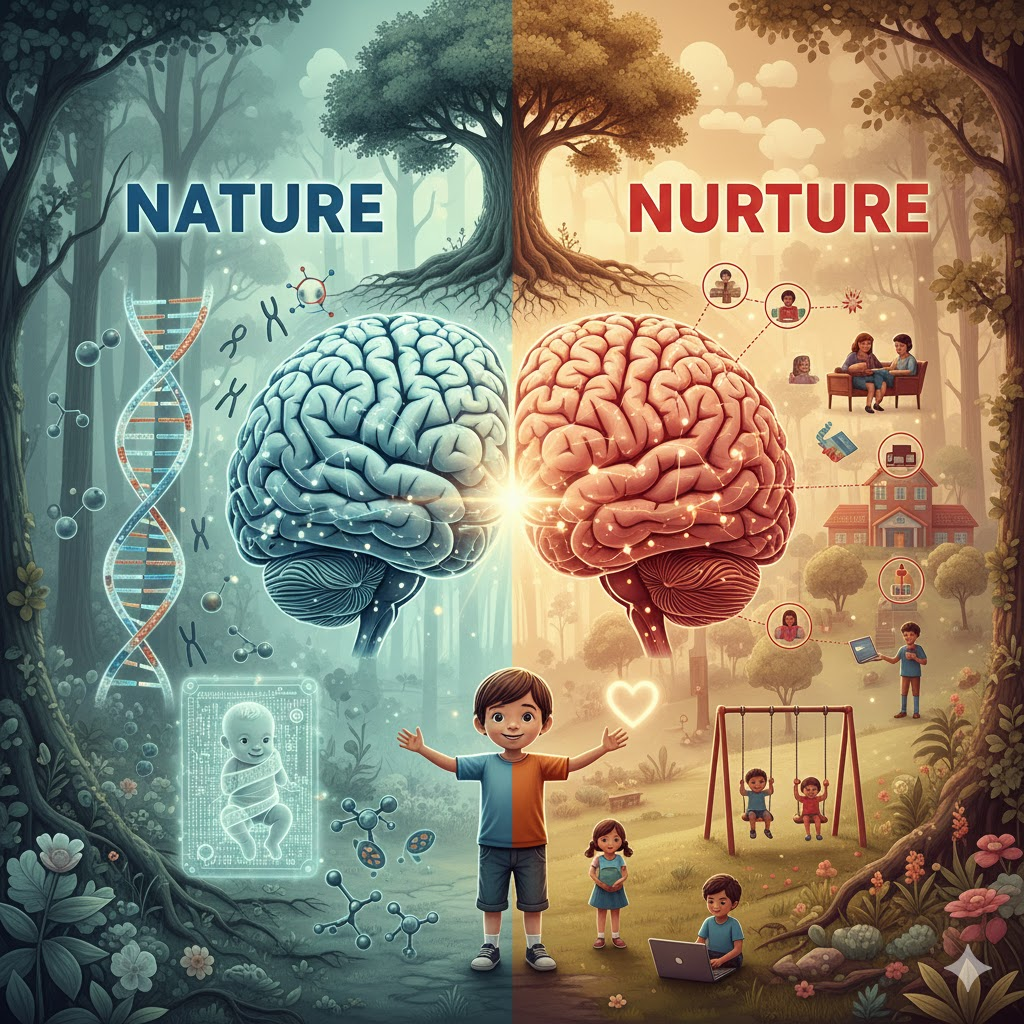
The age-old debate of nature versus nurture plays a central role in child psychology. Are children born the way they are, or are they shaped by their environment? The answer, as modern psychology suggests, is both. Genetics provide the blueprint, but environment determines how that blueprint is expressed.
Some children are naturally more sensitive, outgoing, or cautious due to their temperament. These traits can be observed from infancy and often remain consistent over time. However, the environment—parenting style, education, culture, and life experiences—can either support or challenge these innate tendencies. A shy child, for example, can grow into a confident adult when supported with patience and encouragement.
Child psychology shows that nurture has a powerful influence, especially in early childhood. Secure attachment, emotional validation, and consistent care can buffer genetic vulnerabilities. Conversely, chronic stress, neglect, or trauma can negatively impact development, even in children with resilient temperaments.
The beauty of understanding nature and nurture is that it empowers adults. While we can’t change a child’s genetics, we can shape their environment. And often, that makes all the difference.
Role of Parents in Child Psychology
Parents play an irreplaceable role in a child’s psychological development. They are a child’s first teachers, role models, and emotional anchors. Child psychology consistently shows that the quality of the parent-child relationship has a profound impact on emotional well-being, behavior, and self-esteem.
One of the most influential factors is parenting style. Authoritative parenting—characterized by warmth, clear boundaries, and open communication—is associated with the most positive outcomes. Children raised in this environment tend to be confident, emotionally regulated, and socially competent. In contrast, overly authoritarian or permissive styles can lead to anxiety, rebellion, or lack of self-discipline.
Attachment is another cornerstone of child psychology. When parents respond consistently to a child’s needs, children develop secure attachment. This sense of safety becomes the foundation for exploring the world, forming relationships, and handling stress. Securely attached children are more resilient and emotionally balanced.
Perhaps most importantly, parents model emotional behavior. Children learn how to cope with frustration, disappointment, and conflict by watching how adults handle these moments. In this way, parenting is less about perfection and more about presence, reflection, and growth.
Role of Teachers and Education in Child Psychology
Teachers are not just educators; they are significant psychological influencers in a child’s life. Schools are social ecosystems where children learn far more than academic content. They learn how to collaborate, manage emotions, follow rules, and navigate challenges. Child psychology highlights the critical role educators play in shaping these experiences.
A supportive classroom environment can boost confidence, motivation, and emotional safety. When teachers understand developmental differences, they can adapt instruction to meet diverse learning needs. This reduces frustration and helps children feel capable rather than inadequate.
Child psychology also emphasizes the importance of emotional awareness in education. Teachers who recognize signs of stress, anxiety, or learning difficulties can intervene early. Simple actions—like offering encouragement, listening without judgment, or creating predictable routines—can have a powerful impact.
Education informed by child psychology doesn’t just produce better students; it nurtures healthier, more confident human beings.
Mental Health Issues in Children
Anxiety, Depression, and Stress
Mental health challenges are not limited to adults. Children experience anxiety, depression, and stress more often than many realize. Academic pressure, social comparison, family conflict, and exposure to global issues can weigh heavily on young minds.
Anxiety in children may appear as excessive worry, avoidance, physical complaints, or perfectionism. Depression can show up as irritability, withdrawal, or loss of interest in activities. Child psychology helps identify these signs early, before they escalate into more severe issues.
Early intervention is key. With proper support—whether through counseling, family involvement, or school accommodations—children can learn coping strategies and regain emotional balance. Ignoring mental health concerns, on the other hand, can allow problems to persist into adulthood.
ADHD and Learning Disorders
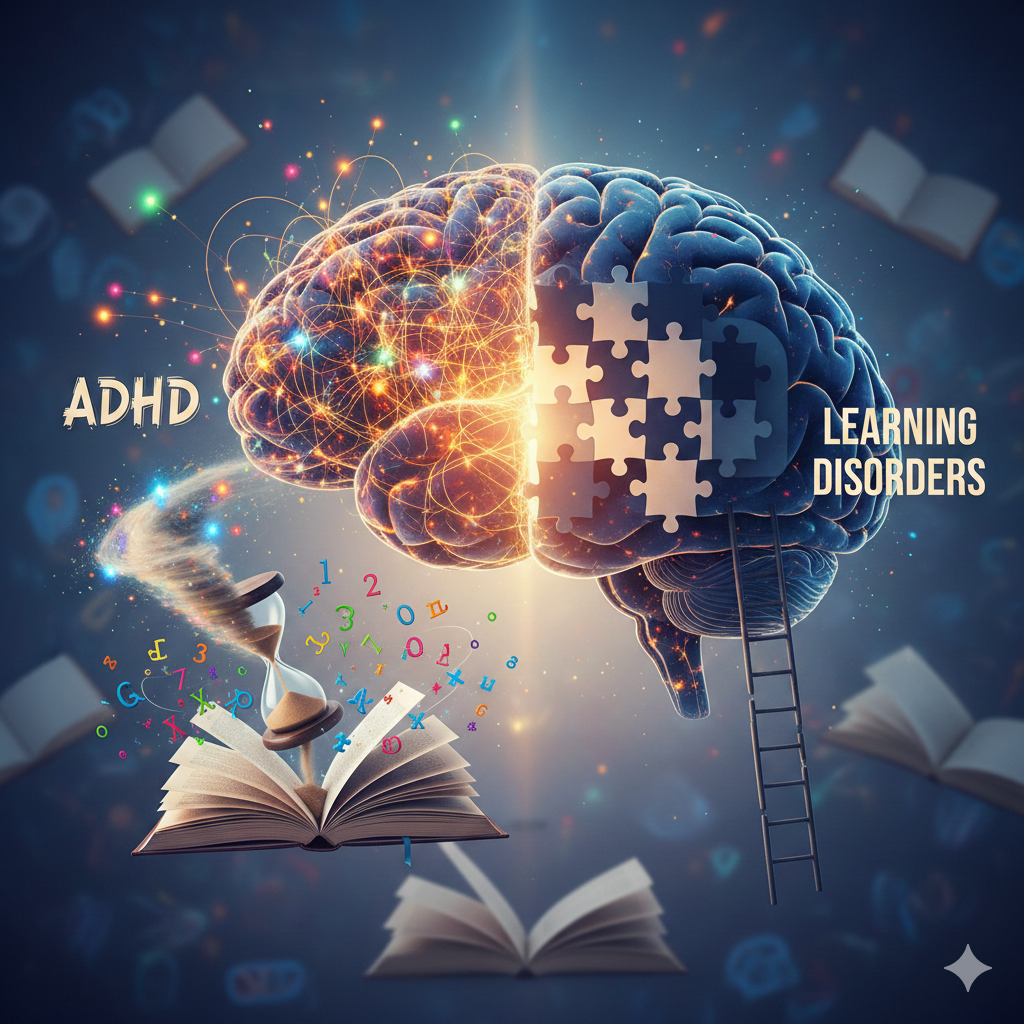
Neurodevelopmental conditions such as ADHD and learning disorders are common and often misunderstood. Children with ADHD may struggle with attention, impulsivity, and organization, while those with learning disorders may have difficulty with reading, writing, or math.
Child psychology emphasizes that these challenges are not a reflection of intelligence or effort. With appropriate strategies, accommodations, and encouragement, children with these conditions can thrive. Understanding and acceptance are essential in helping children build self-esteem and resilience.
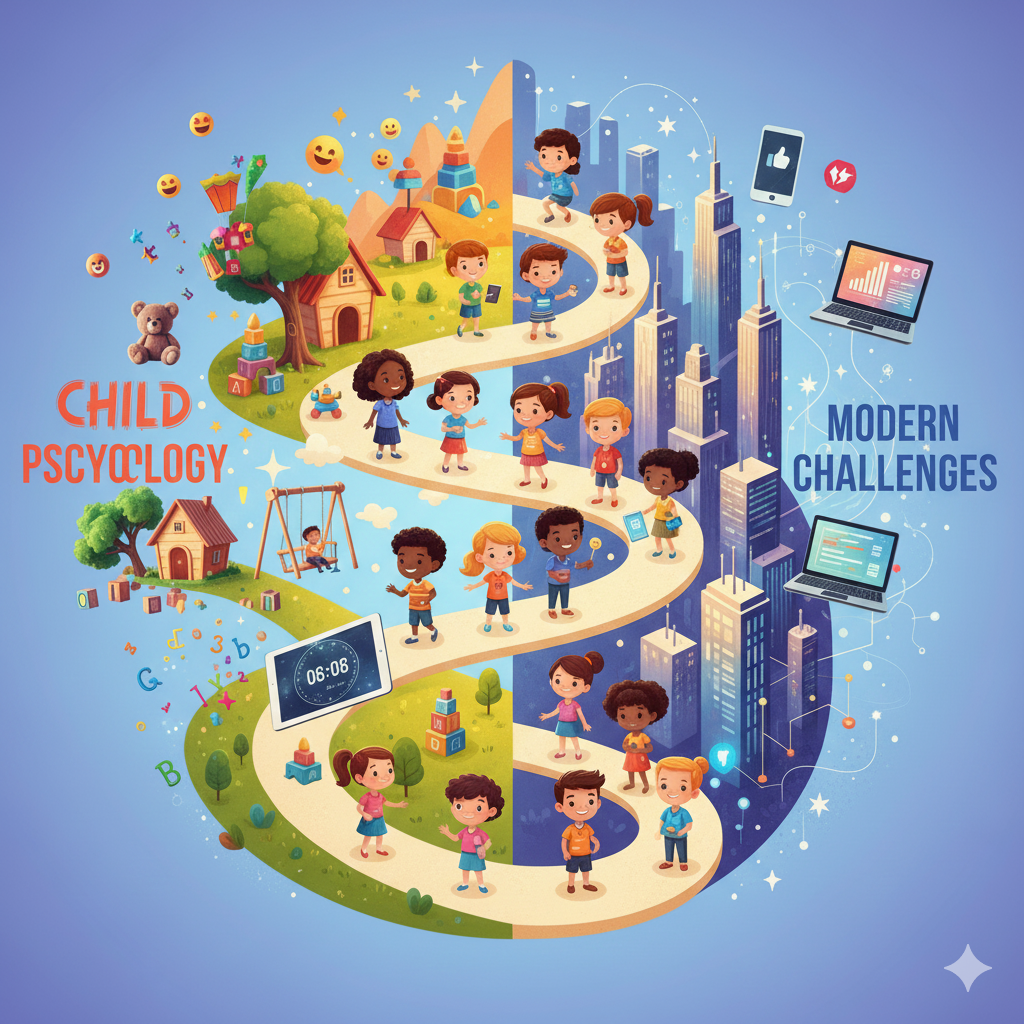
Child Psychology and Modern Challenges
Digital Media and Screen Time
The digital age has transformed childhood. While technology offers educational opportunities, excessive screen time can impact attention, sleep, and social development. Child psychology encourages balanced use, emphasizing quality over quantity.
Children need real-world interaction to develop empathy, communication skills, and emotional regulation. Screens should complement—not replace—human connection.
Social Pressure and Academic Stress
Today’s children face immense pressure to succeed academically and socially. Social media, competitive education systems, and high expectations can lead to chronic stress. Child psychology highlights the importance of teaching children that their worth is not defined by grades or likes.
Creating space for rest, play, and self-expression helps counterbalance these pressures and supports mental well-being.
Assessment and Diagnosis in Child Psychology
Assessment in child psychology is a careful, holistic process. It involves observing behavior, gathering information from parents and teachers, and using standardized tools when appropriate. The goal is not to label, but to understand.
Accurate assessment helps identify strengths, challenges, and support needs. It guides interventions that are tailored to the individual child, increasing the likelihood of positive outcomes.
Therapies and Interventions for Children
Child psychology offers a range of therapeutic approaches, including play therapy, cognitive-behavioral therapy, and family counseling. These interventions help children express emotions, develop coping skills, and resolve internal conflicts.
Play therapy, in particular, is powerful because play is a child’s natural language. Through play, children can process experiences that are difficult to verbalize.
How Child Psychology Shapes Adult Life
Childhood experiences leave lasting imprints. Emotional regulation, attachment patterns, and self-esteem developed in childhood often carry into adulthood. Child psychology helps us understand these connections and emphasizes prevention over repair.
By supporting children early, we reduce the likelihood of mental health issues, relationship difficulties, and low self-worth later in life.
Future Trends in Child Psychology
The future of child psychology is promising. Advances in neuroscience, technology, and inclusive research are leading to more personalized and effective interventions. There is growing recognition of the importance of mental health, emotional intelligence, and early support.
As society continues to evolve, child psychology will remain essential in helping children navigate an increasingly complex world.
Conclusion
Child psychology is not just a field of study—it’s a lens through which we can better understand, support, and nurture the next generation. By recognizing children’s emotional, cognitive, and social needs, we move from reaction to connection. Every child deserves to be understood, valued, and supported, and child psychology gives us the tools to make that possible.
FAQs
1. What does a child psychologist do?
A child psychologist studies and supports children’s emotional, behavioral, and cognitive development, helping them cope with challenges and reach their full potential.
2. At what age should a child see a psychologist?
Children of any age can benefit from psychological support if there are concerns about behavior, emotions, or development.
3. Is child psychology only for children with problems?
No, child psychology supports healthy development and prevention, not just treatment of difficulties.
4. How can parents apply child psychology at home?
By practicing empathy, setting consistent boundaries, encouraging emotional expression, and modeling healthy behavior.
5. Can child psychology really impact a child’s future?
Absolutely. Early emotional and psychological support can shape lifelong mental health, relationships, and resilience.